The Long Road Home: Stories of Dogs Reunited With Their Families
Every year, thousands of dogs go missing, slipping through an open gate or bolting during a thunderstorm.
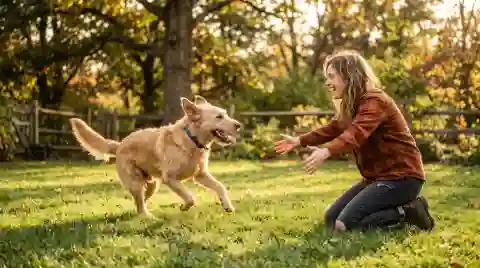
Most of these stories end quietly, without headlines. Dogs reunited with their families is a phenomenon that happens more often than people realize, thanks to a mix of preparation and community effort.
Here is what actually makes those reunions possible, and how they usually happen.
Why Microchips Make Dogs Reunited With Their Families So Often
A microchip is a tiny, permanent form of identification implanted under a dog’s skin, about the size of a grain of rice.
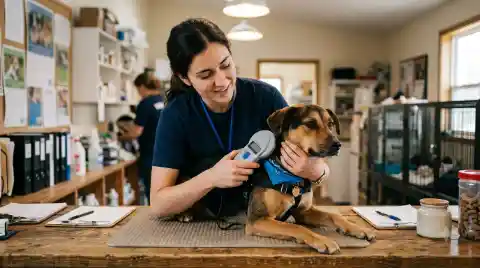
When a lost dog is brought to a shelter or vet clinic, staff routinely scan for a chip first, which can instantly pull up the owner’s contact information.
The Power of a Community Search
Before a chip can even be scanned, someone has to find the dog. That is where neighbors, social media groups, and local rescue networks step in.
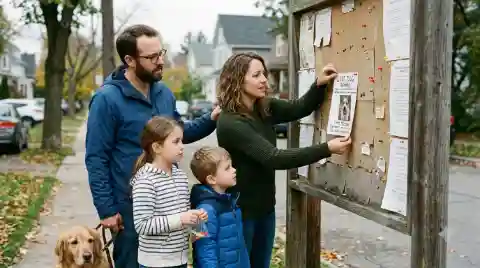
Flyers posted at busy intersections, mail carriers keeping an eye out, and joggers sharing sightings all add up to more eyes looking than any one family could manage alone.
What Happens the Moment a Dog Is Found
A found dog is usually scared and disoriented, even close to home. Rescuers are trained to approach slowly and avoid chasing, which only makes a frightened dog run farther.
Once secured, the next steps are simple: check for a collar tag, scan for a chip, and post in local lost-and-found groups right away.
Real Reasons Reunions Succeed
- Updated chip information: A chip only works if the registry has the owner’s current phone number and address.
- Fast reporting: Owners who report a missing dog within the first hour dramatically increase the odds of a quick recovery.
- Visible ID tags: A simple collar tag can lead to a reunion in minutes, long before any scanner is involved.
- Community awareness: Neighborhoods that already know local dogs by sight tend to spot a lost one much faster.
After the Reunion: Settling Back In
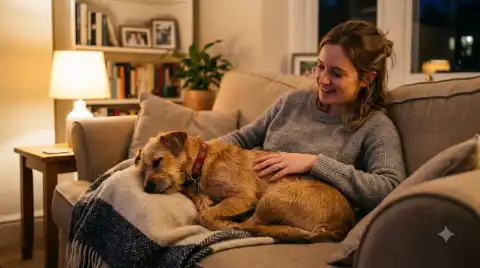
Coming home is not always instant relief for the dog. Many need a few quiet days to decompress, eat normally again, and feel safe.
Sticking to a familiar routine, calm handling, and a comfortable resting spot all help a dog settle back in faster.
Frequently Asked Questions
How long does a microchip last?
A. A microchip lasts the dog’s entire lifetime and requires no battery or maintenance once implanted.
What should I do the moment I notice my dog is missing?
A. Search the immediate area first, then notify neighbors, local shelters, and post in community lost-pet groups right away.
Can a dog be reunited without a microchip?
A. Yes, though it takes longer. Collar tags, community sightings, and shelter intake photos still lead to many reunions.
Should I update my dog’s microchip information after moving?
A. Yes, always update the registry immediately, since an outdated phone number or address can delay a reunion significantly.
Why So Many Dogs Reunited With Their Families in the End
The long road home usually is not one dramatic moment. It is a chain of small, ordinary actions: a scanned chip, a shared flyer, a neighbor who noticed.
That is exactly why preparation matters so much before a dog ever goes missing at all.

If your dog or cat shows any unusual behavior after a stressful event like getting lost, it is worth checking symptoms early using our pet symptom checker. You may also like reading about how rescue dogs learn to trust again or the quiet heroism of search and rescue dogs.
Source: AKC Reunite — a national nonprofit providing general guidance on microchip registration and lost-pet recovery.

Sidnir Vieira is the founder of TechHavela. A lifelong pet owner who had a dog for many years and now lives with a cat, he writes educational guides that help owners understand symptoms and know when to call the vet. TechHavela’s articles are based on veterinary sources and are not reviewed by a veterinarian.