How One Shelter’s Special Needs Cats Find Their Perfect Match
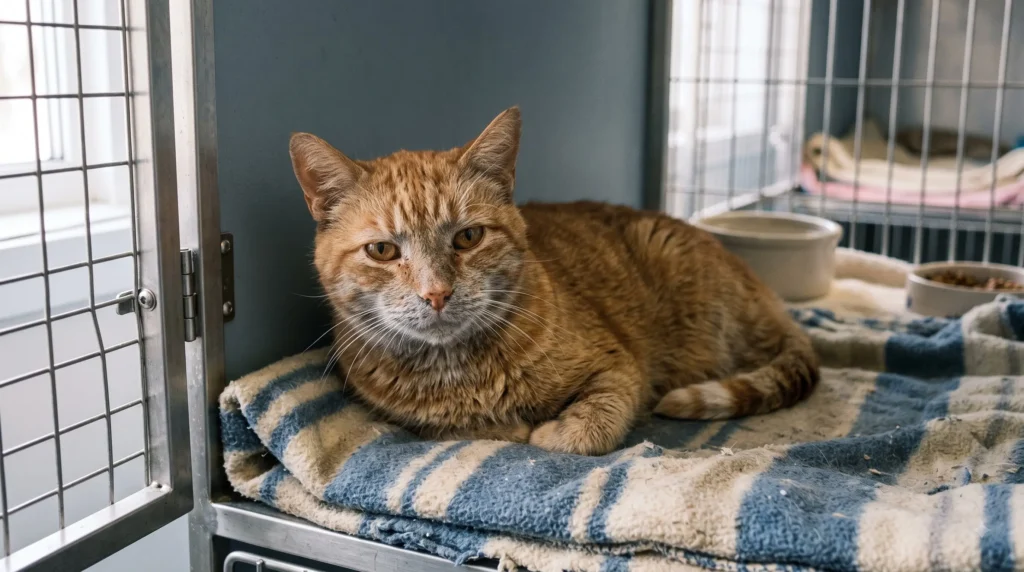
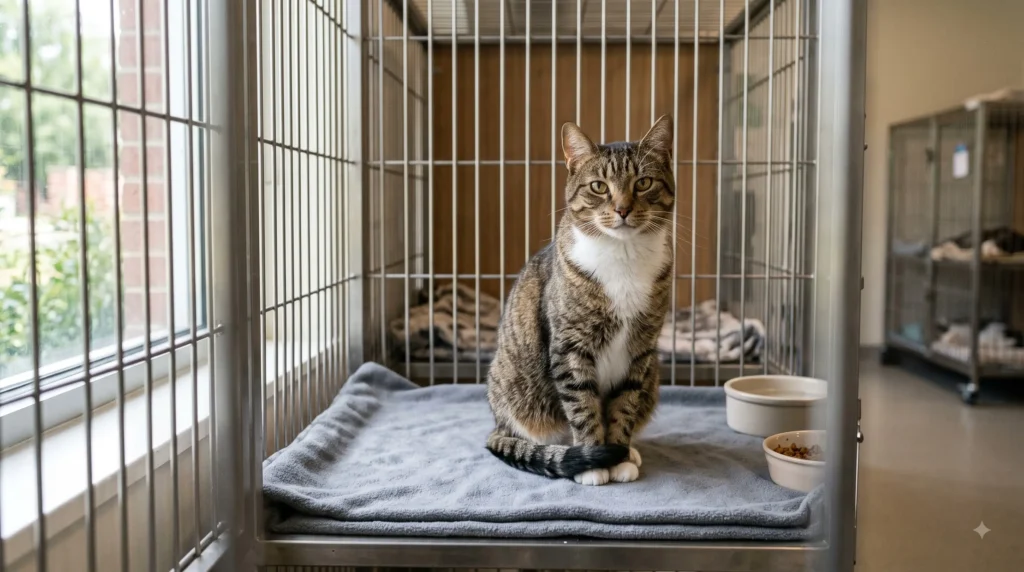
In every shelter, a handful of cats wait longer than the rest. They might be missing a leg, blind, or living with a chronic illness.
Special needs cats are often overlooked at first glance, yet staff and volunteers see something different in them every day.
Here is how shelters quietly work to match these cats with exactly the right person.
What Makes Special Needs Cats Different
The term covers a wide range: three-legged cats, blind or deaf cats, diabetic cats, and cats recovering from injury or long-term illness.
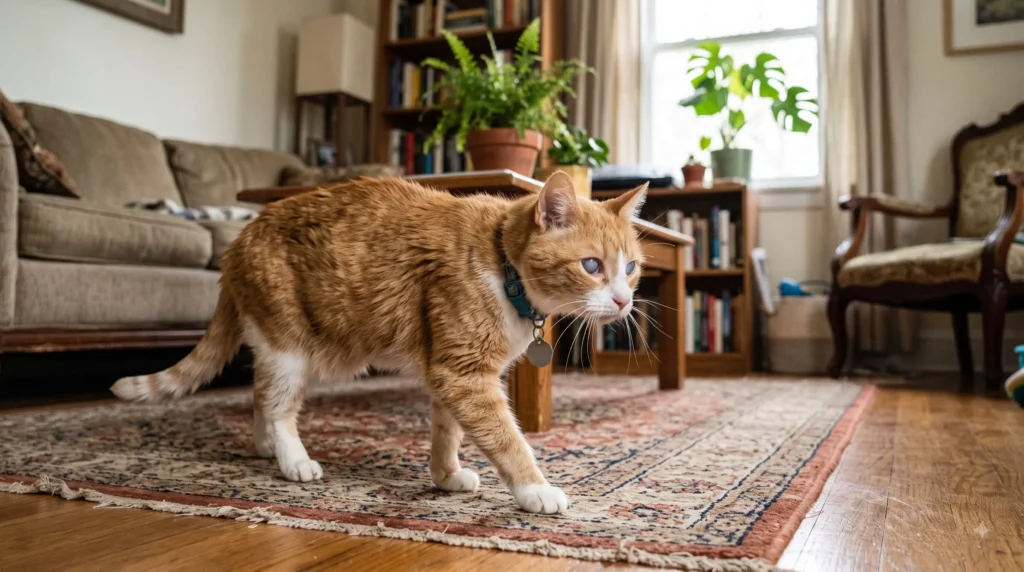
Most adapt remarkably well to their condition. A three-legged cat can still jump onto a couch; a blind cat quickly memorizes a familiar home.
The Daily Care Behind the Scenes
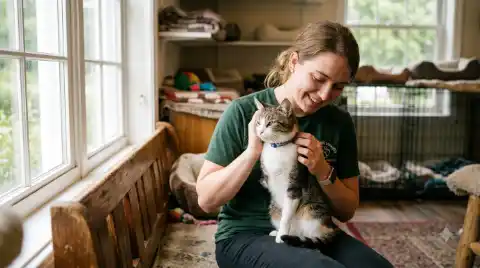
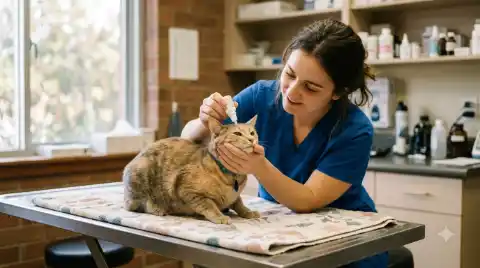
Special needs cats often require extra attention: medication schedules, gentle handling, or simply more frequent check-ins from staff.
That daily routine builds trust, and it also helps caretakers learn each cat’s personality well enough to describe it honestly to a future adopter.
How Shelters Find the Right Match
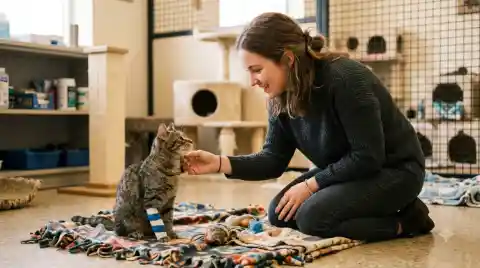
Matching starts with an honest conversation. Staff walk potential adopters through what daily care actually looks like, no surprises later.
The best matches often come from adopters who already have some experience, or who simply take the time to meet the cat more than once before deciding.
Real Reasons These Adoptions Succeed
- Realistic expectations: Adopters who understand the care involved upfront rarely feel overwhelmed later.
- Strong staff support: Many shelters offer ongoing advice even after adoption day.
- Deep loyalty: Cats that received extra care often bond especially closely with their new owner.
- Lower cost in some cases: Many shelters waive or reduce adoption fees for special needs cats.
Life After Adoption
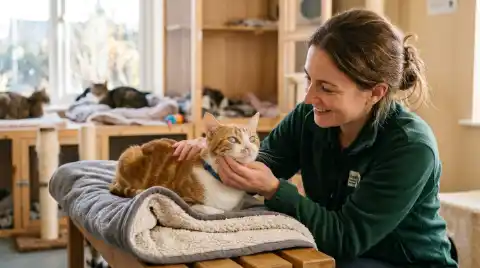
Most special needs cats settle into a new home within a few weeks, once the environment feels predictable and safe.
Owners often say the adjustment period taught them just as much patience as it did the cat.
Frequently Asked Questions
Do special needs cats require a lot of extra money?
A. It depends on the condition. Some need only minor adjustments, while others may need ongoing medication or vet visits.
Can a first-time cat owner adopt a special needs cat?
A. Yes, as long as they’re willing to learn the specific care routine, which shelter staff are usually happy to teach.
Are special needs cats less affectionate?
A. Not at all. Many are especially affectionate, since they’re used to close daily contact with caretakers.
How can someone start the adoption process?
A. Visit a local shelter, ask specifically about special needs cats, and spend time with a few before deciding.
Why Special Needs Cats Deserve a Second Look
Special needs cats are not harder to love, just easier to overlook. The right match usually just takes a little more patience to find.
For the person willing to meet them halfway, these cats often turn out to be the most rewarding companions of all.
If you’re caring for a cat or dog with ongoing health needs, it’s worth checking symptoms early using our pet symptom checker. You may also enjoy reading about the blind cat who learned to navigate a new home or the three-legged cat who never missed a beat.
Source: Best Friends Animal Society — a national animal welfare organization providing general guidance on special needs and senior pet adoption.

Sidnir Vieira is the founder of TechHavela. A lifelong pet owner who had a dog for many years and now lives with a cat, he writes educational guides that help owners understand symptoms and know when to call the vet. TechHavela’s articles are based on veterinary sources and are not reviewed by a veterinarian.