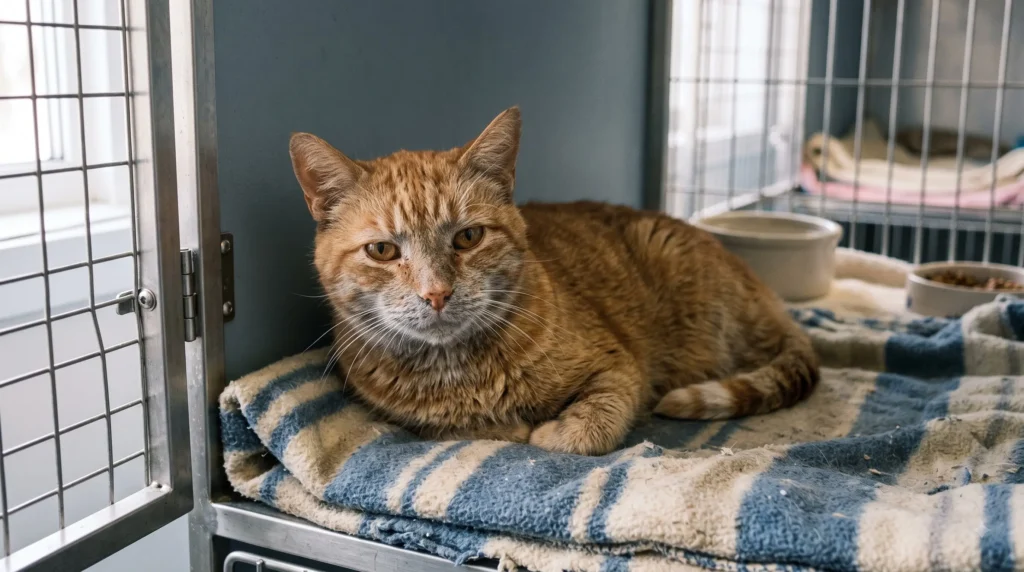
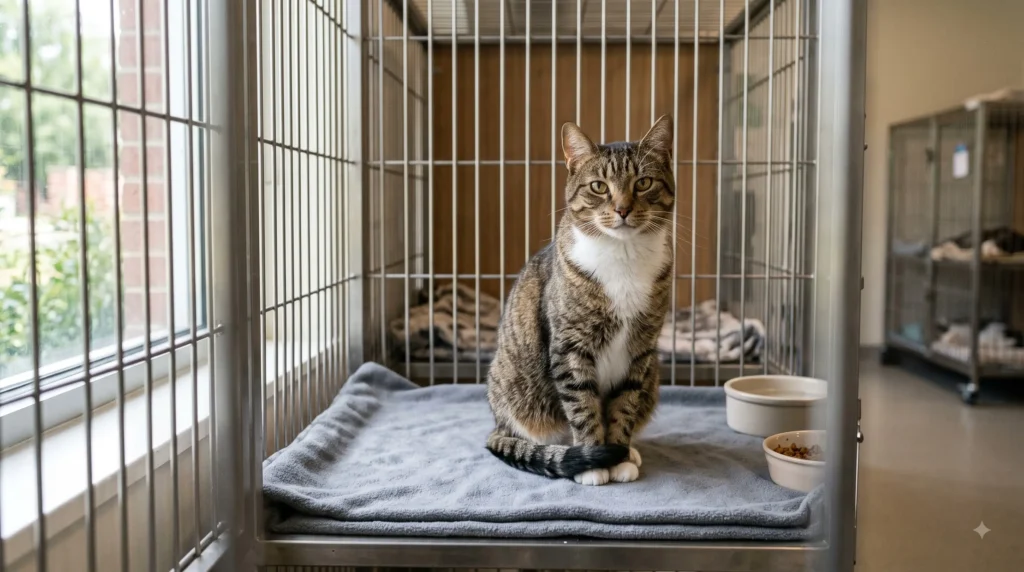
The Blind Cat Who Learned to Navigate a New Home With Grace
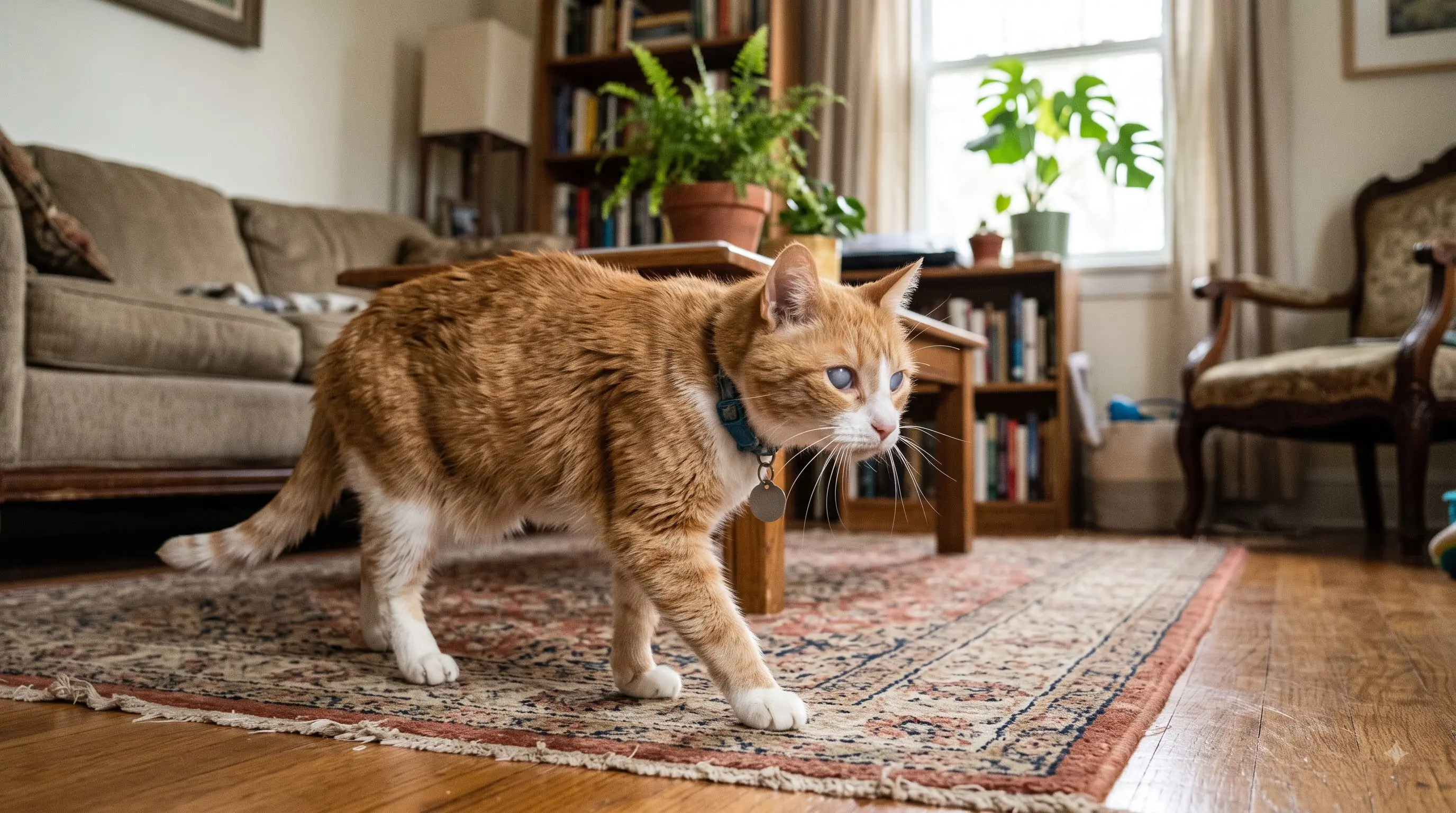
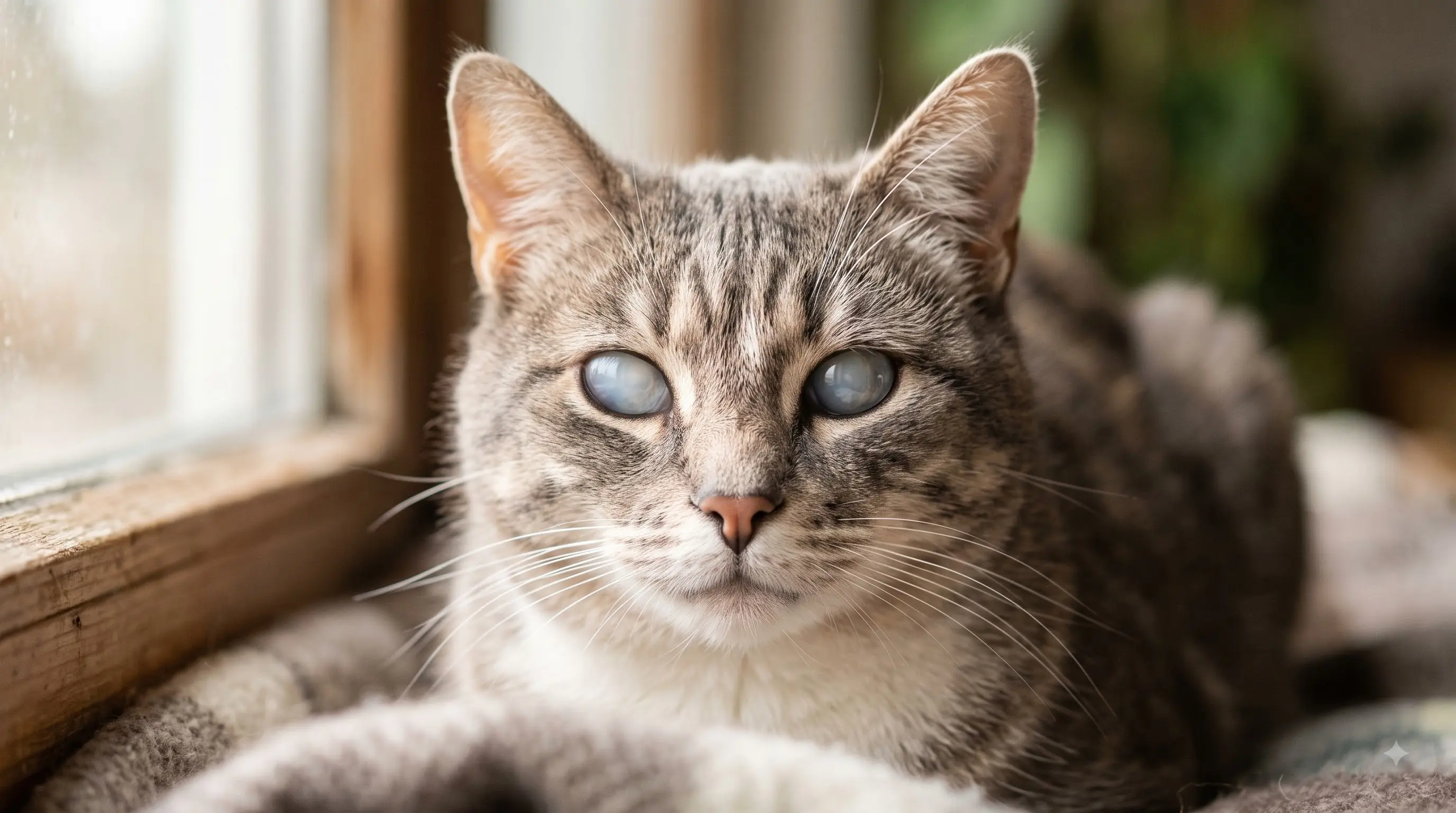
A blind cat exploring a brand-new house sounds, on paper, like a recipe for chaos. In practice, it usually looks like the opposite:
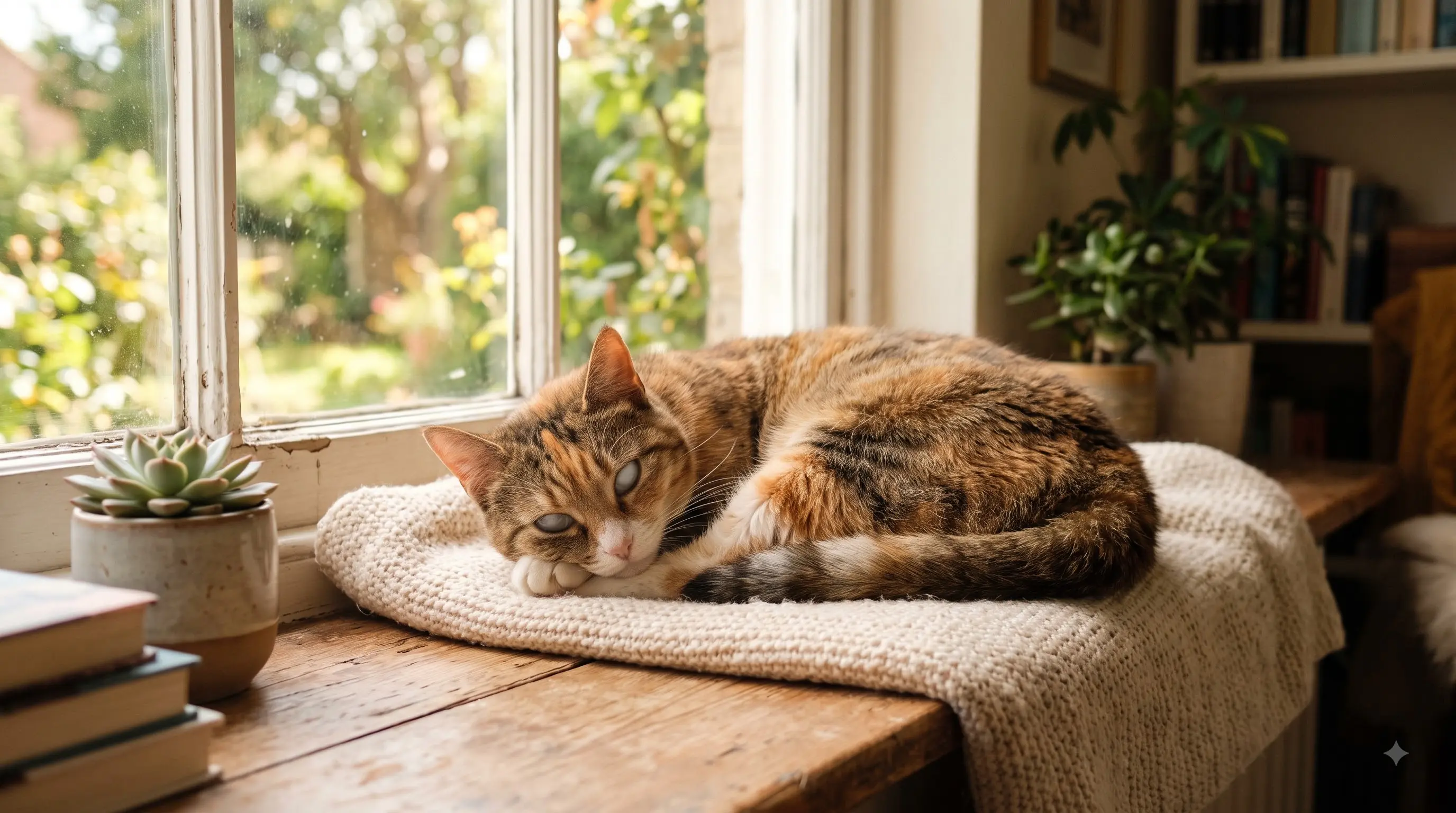
a slow, deliberate lap around the perimeter of each room, whiskers doing most of the work, and within a day or two, a cat that moves through the space like it’s lived there for years.
Blind cats build a mental map faster than most people expect, relying on memory, scent, and touch instead of sight — and adopters who bring one home consistently say the adjustment period is shorter and calmer than they braced themselves for.
How a Blind Cat Learns a New Space So Quickly
Cats already rely heavily on senses beyond sight — scent marking, whisker sensitivity, and spatial memory all play a bigger role in a cat’s daily navigation than most owners realize.
For a blind cat, those senses simply take over completely.
Organizations like Blind Cat Rescue & Sanctuary, a nonprofit dedicated entirely to blind and special-needs cats, report the same pattern again and again: a blind cat typically memorizes furniture placement, doorways, and litter box location within the first few days, moving cautiously at first and then with growing confidence once the layout is internalized.
The biggest disruption isn’t blindness itself — it’s rearranging the furniture afterward.
Why Blind Cats Are Often Passed Over at Shelters
Despite adapting so well, a blind cat frequently waits longer for adoption than a sighted littermate. Adopters often assume a blind cat will need constant supervision, struggle with basic mobility, or live a diminished quality of life.
In reality, shelter staff report that once a blind cat settles into a stable home, its day-to-day behavior looks remarkably similar to any other cat’s — eating, playing, grooming, and seeking out favorite napping spots with total confidence.
Simple Adjustments That Help a Blind Cat Thrive
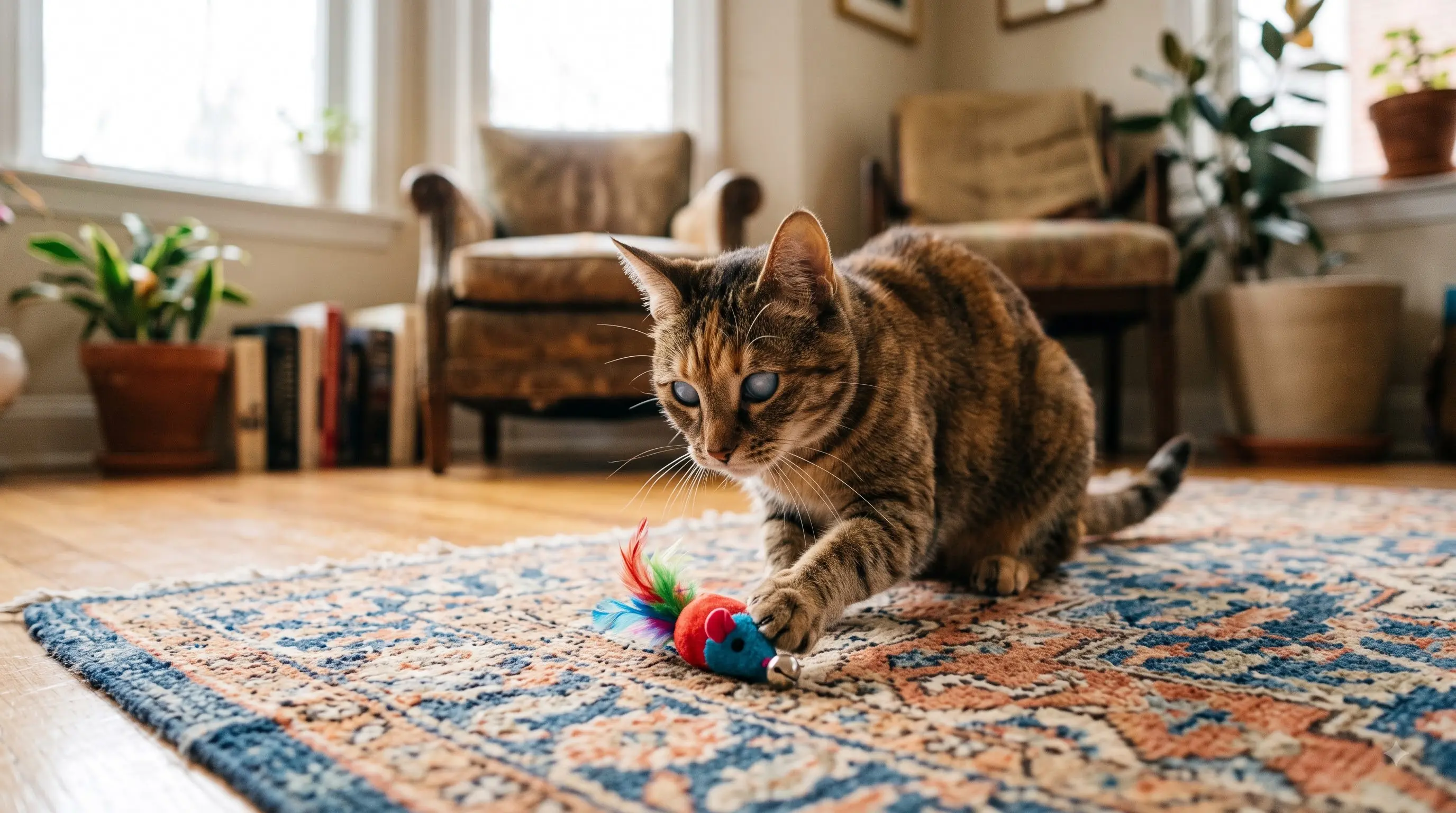
A few small habits make a big difference for a blind cat settling into a new home.
Keeping furniture, food bowls, and the litter box in consistent locations lets the cat build and trust its mental map. Textured rugs or mats near key spots, like the food area or a favorite window perch, can act as tactile landmarks.
Many owners also find that talking or making a small sound before petting a blind cat helps avoid startling it, since a blind cat relies on those auditory cues to know when someone is nearby.
Beyond that, most blind cats need surprisingly little extra care compared to any other cat.
Real Impact of Adopting a Blind Cat
- Gives a home to one of the animals shelters report as hardest to place
- Often comes with a lower adoption fee at shelters trying to find these cats homes faster
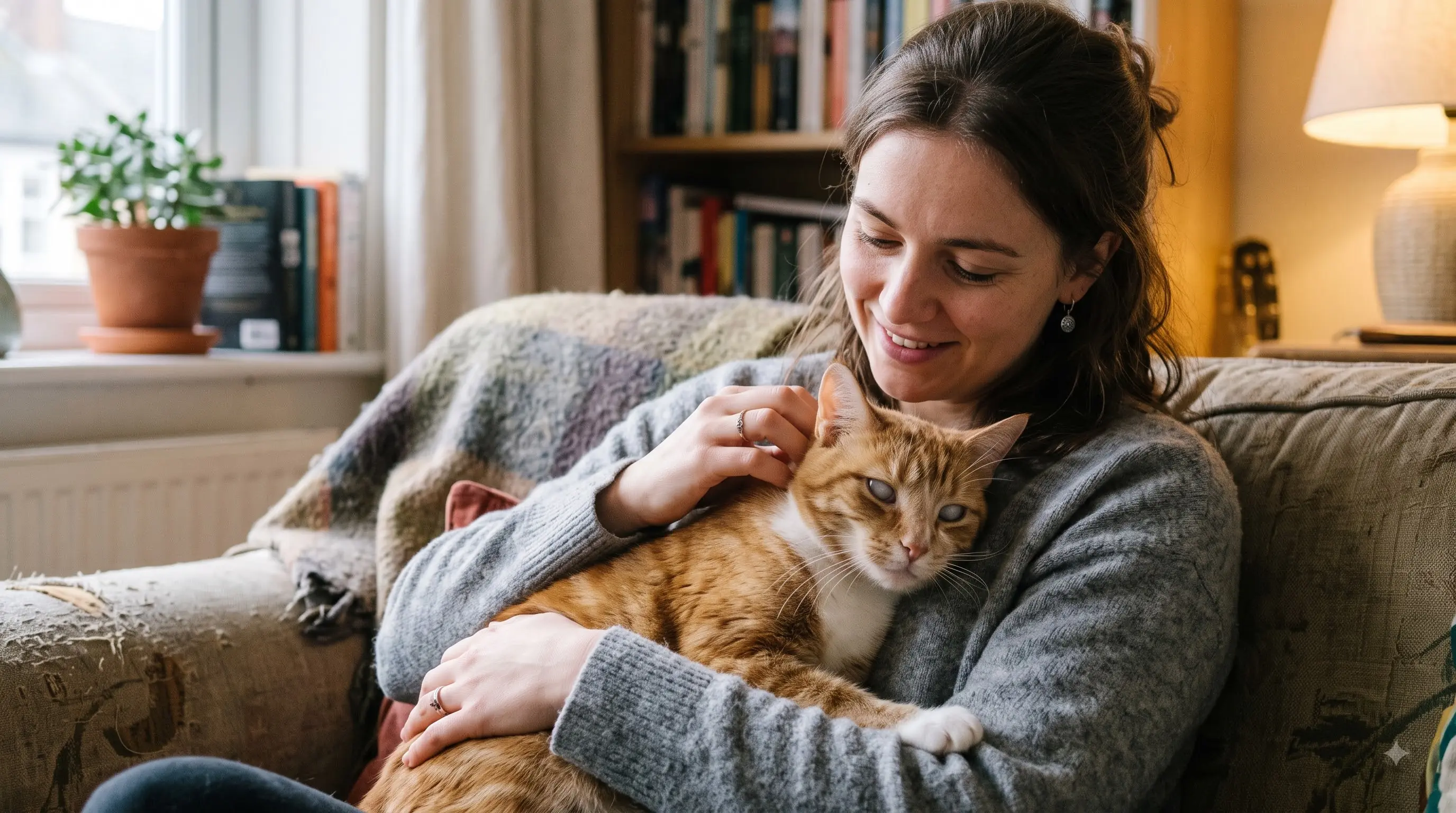
- Rewards owners with a companion that bonds closely, often staying near its person more than a sighted cat might
- Requires only minor household adjustments, not constant supervision
Frequently Asked Questions
Can a blind cat live a normal, happy life indoors?
Yes. Indoor cats already rely less on vision than outdoor cats, and a blind cat living indoors typically adapts fully within days to a couple of weeks, especially once the layout stays consistent.
Should I rearrange furniture often if I have a blind cat?
It’s best to avoid it. A blind cat depends on a stable layout to navigate confidently, so keeping furniture and key items in the same place makes the biggest difference in its comfort.
How does a blind cat get along with other pets?
Generally well, especially after a gradual introduction. A blind cat relies on scent and sound to recognize other animals in the home, so a slow, supervised introduction period helps it adjust with confidence.
What should I feed a newly adopted blind cat?
The same balanced diet appropriate for any cat’s age and health needs. If switching foods, the FDA’s Center for Veterinary Medicine recommends transitioning gradually over 7 to 10 days to avoid digestive upset.
Give a Blind Cat the Chance to Show You How Capable It Is
A blind cat doesn’t need pity — it needs a stable home and a little patience during the first few days. If you’re bringing home a new cat of any ability level, the Pet Symptom Checker is a useful tool for catching any health concerns early. And if you’re just getting started with cat adoption in general, our guide on common mistakes to avoid when adopting a new cat covers what to expect from day one.
Source: U.S. Food and Drug Administration, Center for Veterinary Medicine — guidance on transitioning pets to a new diet.

**Sidnir Vieira**
Founder of TechHavela
A passionate pet and tech content creator, helping dog owners across the U.S. make smarter decisions for their furry friends.