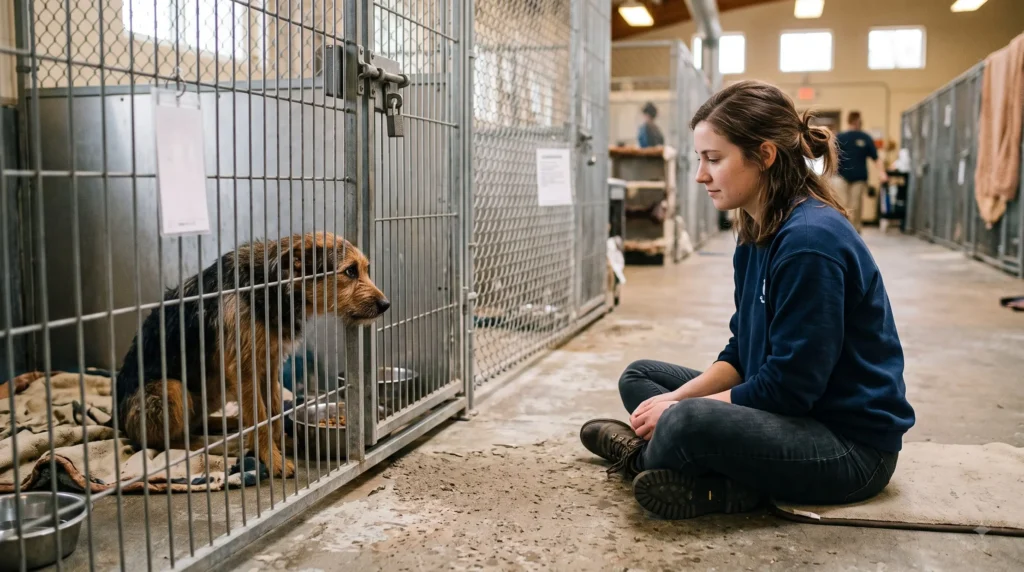
The Three-Legged Dogs Who Never Let a Disability Slow Them Down
The first time most people meet a three-legged dog, they brace themselves to feel sorry for it.
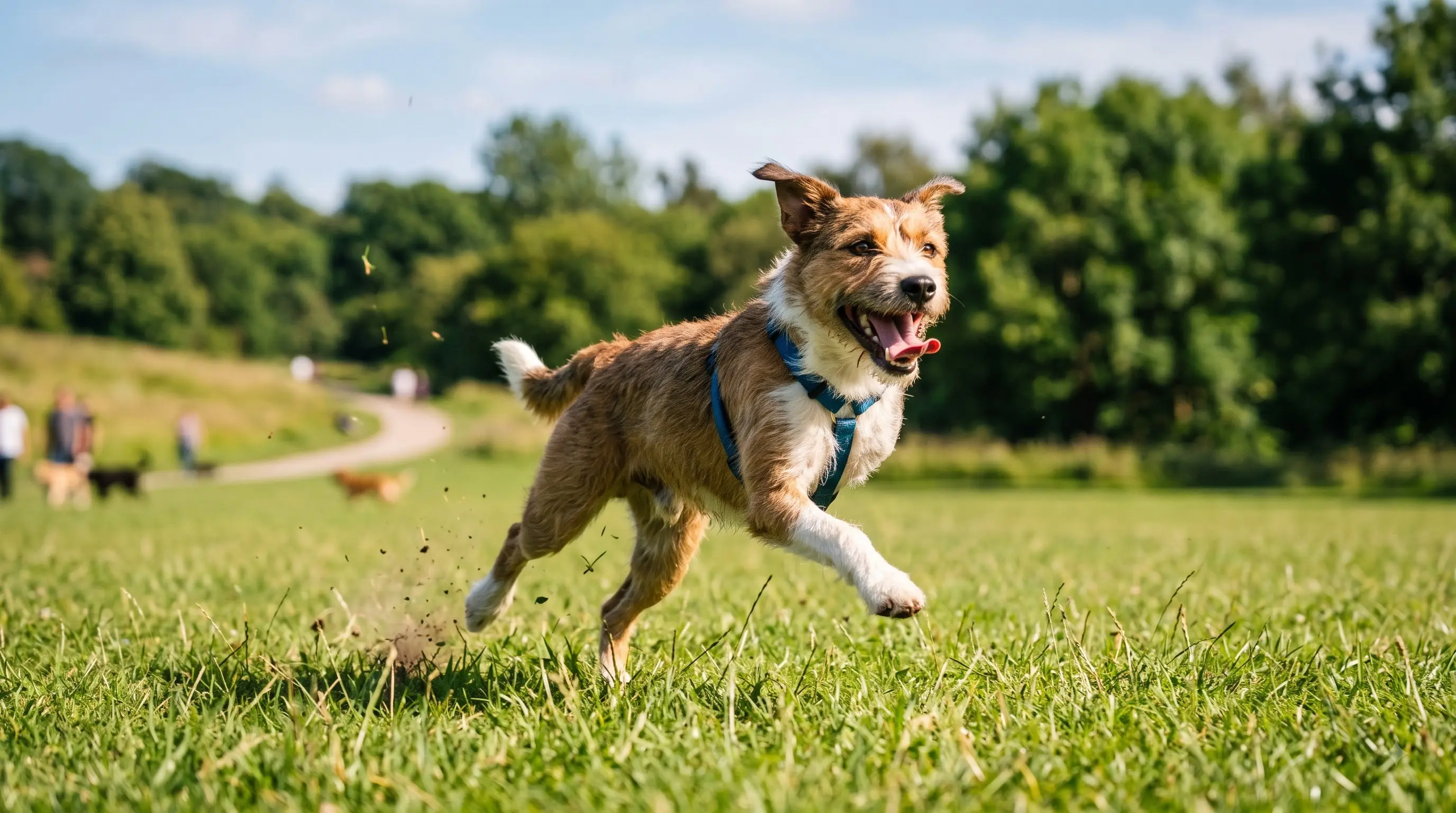
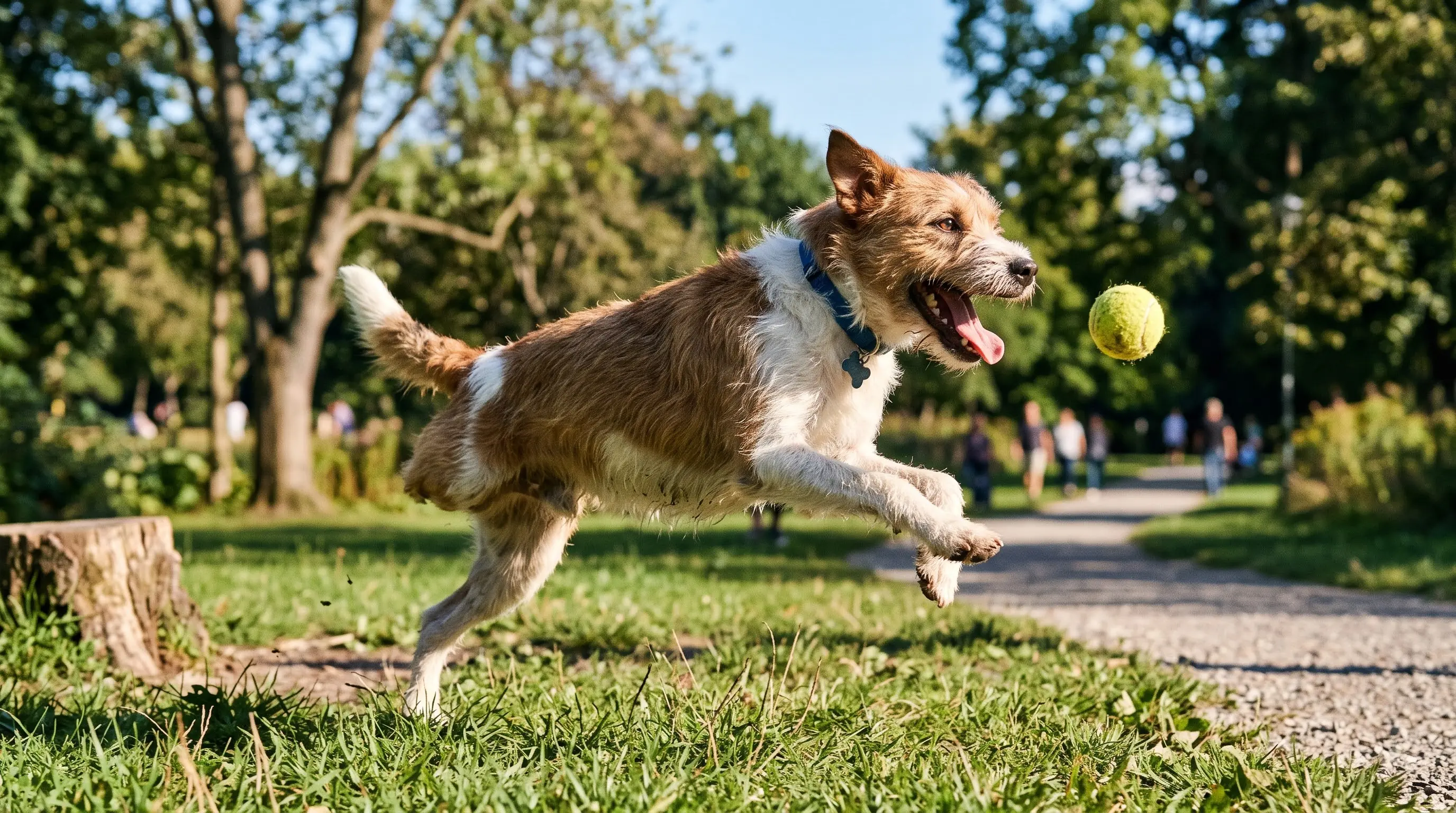
That reaction usually lasts about ten seconds — right up until the dog goes tearing across the yard after a ball, completely unaware that anyone ever thought it should slow down.
Three-legged dogs, often called “tripawds” by the people who love them, are some of the most resilient, joyful animals in any shelter, and adopters who bring one home consistently describe the same surprise:
the dog never got the memo that it was supposed to struggle.
How Dogs Adapt So Quickly to Three Legs
Veterinarians who work with amputee dogs point to a simple anatomical advantage:
dogs already carry most of their weight on their front end, so many three-legged dogs, especially those who lost a rear leg, adjust their gait within just a few weeks.
The recovery timeline varies by age, size, and which limb was affected, but the pattern shelter staff describe again and again is the same — a brief adjustment period followed by a dog that runs, plays, and jumps almost as if nothing changed.
Communities like Tripawds, a nonprofit resource built specifically for three-legged pet owners, have documented thousands of these recoveries. Three-legged dogs don’t dwell on the loss the way a person might; they simply redistribute their weight and keep moving.
Why They’re Often Overlooked at Shelters
Despite how well they adapt, three-legged dogs frequently wait longer for adoption than their four-legged littermates.
Potential adopters often assume higher vet bills, shorter lifespans, or physical limitations that, in most cases, simply don’t materialize.
Shelter staff say the biggest barrier isn’t the dog’s actual needs — it’s the story adopters tell themselves before ever meeting the dog in person. Spend five minutes watching a three-legged dog bound across a play yard and most of that hesitation disappears.
What Life With a Three-Legged Dog Actually Looks Like
Day to day, life with a tripawd dog looks remarkably close to life with any other dog. Regular veterinary checkups remain important, particularly to monitor joint health in the remaining limbs, since they do carry a bit more load over a lifetime.
Keeping a healthy weight matters even more for three-legged dogs, since extra pounds put additional strain on the limbs doing all the work.
Many owners find that swimming or gentle exercise on soft surfaces helps keep muscles strong without unnecessary joint stress. Beyond that, most three-legged dogs run, hike, and play at a level that surprises anyone meeting them for the first time.

Real Impact of Choosing Three-Legged Dogs
- Gives a home to one of the animals most likely to be repeatedly passed over at adoption events
- Often comes with a lower adoption fee at shelters trying to find these dogs homes faster
- Provides a living reminder to visitors and neighbors that disability doesn’t equal limitation
- Frequently becomes a shelter’s most photogenic ambassador, drawing attention to other overlooked animals


Frequently Asked Questions
Do three-legged dogs need special equipment?
Most don’t require anything beyond a well-fitted harness. Some owners use ramps for high furniture or vehicles, and orthopedic bedding is a common, low-cost way to support joint health as the dog ages.
Is life expectancy shorter for three-legged dogs?
Not inherently. Life expectancy depends far more on the underlying reason for the amputation, overall health, and weight management than on having three legs instead of four.
Can three-legged dogs still go on long walks or hikes?
Many can, especially once fully adapted. Building up distance gradually and watching for signs of fatigue is the same approach any dog owner should take, regardless of leg count.
What should I feed a newly adopted three-legged dog?
Weight management is especially important, so a balanced diet suited to the dog’s activity level matters. If switching foods, the FDA’s Center for Veterinary Medicine recommends transitioning gradually over 7 to 10 days to avoid digestive upset.
Give Three-Legged Dogs a Chance to Show You What They Can Do
Three-legged dogs rarely act like anything is missing, and the adopters who bring one home usually end up saying the same thing: within a week, they stopped thinking about the missing leg entirely.
If you’re bringing home a new dog of any ability level, the Pet Symptom Checker is a useful tool for catching any health concerns early. And if you’re just starting to think about adoption in general, our complete guide to adopting a dog walks through what to expect from start to finish.
Source: U.S. Food and Drug Administration, Center for Veterinary Medicine — guidance on transitioning pets to a new diet.

**Sidnir Vieira**
Founder of TechHavela
A passionate pet and tech content creator, helping dog owners across the U.S. make smarter decisions for their furry friends.