The Unbreakable Bond Between Veterans and Their Service Dogs
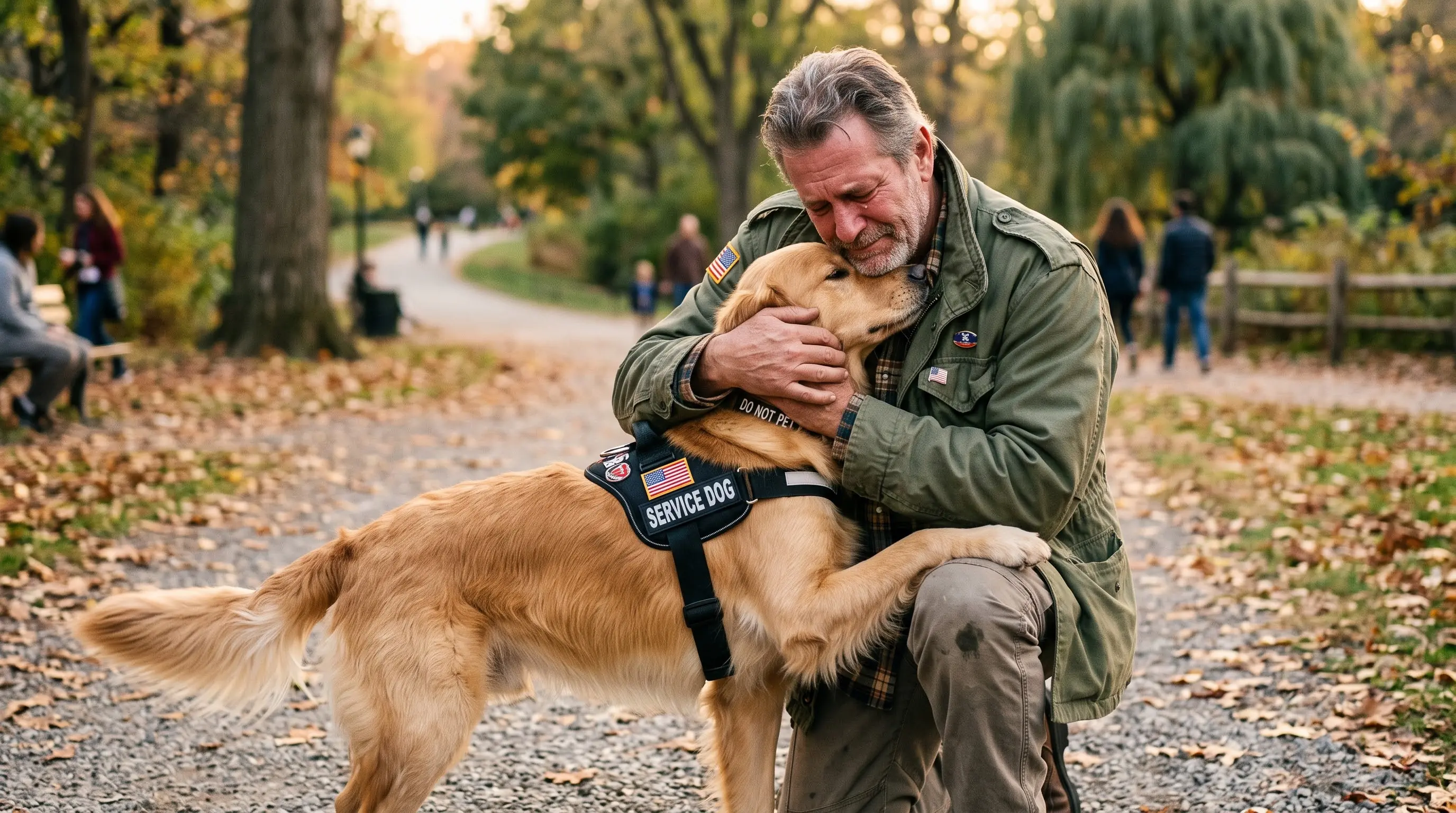
For many veterans, the hardest battles begin after they come home. A service dog paired with a veteran doesn’t just perform tasks — it becomes a constant, steady presence that can make the difference between isolation and connection, between a bad night and a manageable one.
The bond between veterans and service dogs is often described as unlike any other working relationship, built through months of training and years of daily reliance on each other.
Why Veterans and Service Dogs Form Such a Deep Bond
A service dog for a veteran typically does far more than the visible tasks it’s trained for — interrupting nightmares, creating physical space in crowded rooms, or providing a reason to get up and go outside on difficult days. That constant, practical reliability builds trust in a way that’s hard to replicate.
Many veterans describe their dog as the first thing that made the world feel manageable again after returning home, particularly for those managing PTSD, anxiety, or the isolation that can follow deployment.
What Service Dog Training Actually Involves
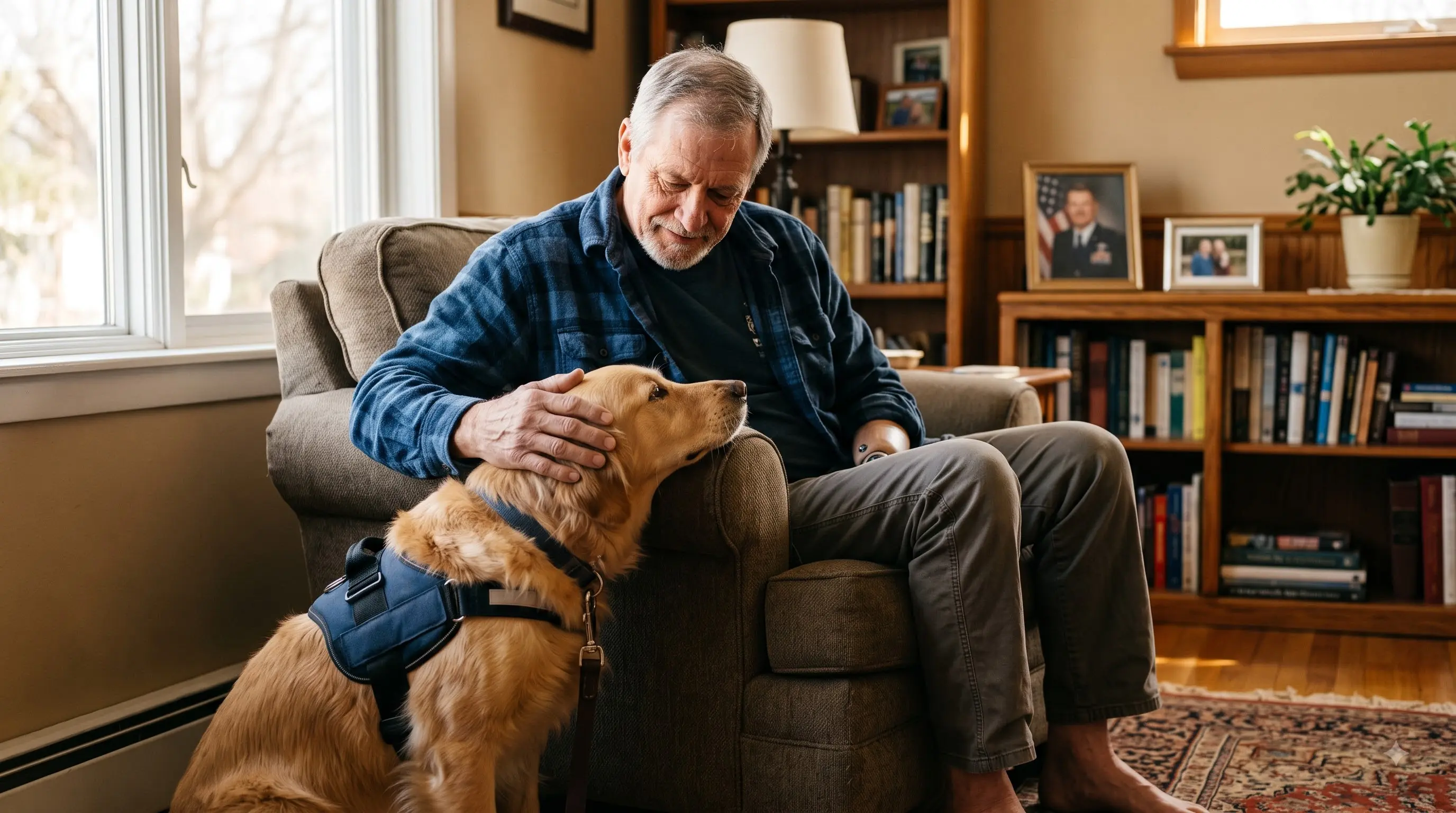
Becoming a service dog takes significantly more than basic obedience. Dogs bound for veteran partnerships typically go through over a year of specialized training, learning tasks like blocking, deep pressure therapy, retrieving medication, and reading early signs of anxiety before they escalate.
Organizations that train these dogs, many working with groups like veterinary professionals recognized by the AVMA for health screening, also spend considerable time matching a specific dog’s temperament to a specific veteran’s needs — a mismatch in energy level or sensitivity can undermine the entire partnership.
The Daily Reality of Living With a Service Dog
Outside of dramatic moments, most of the partnership is quiet and routine — walks, feeding schedules, training reinforcement, and simply being present. That routine itself is often part of the therapeutic value, giving structure to days that might otherwise feel aimless.
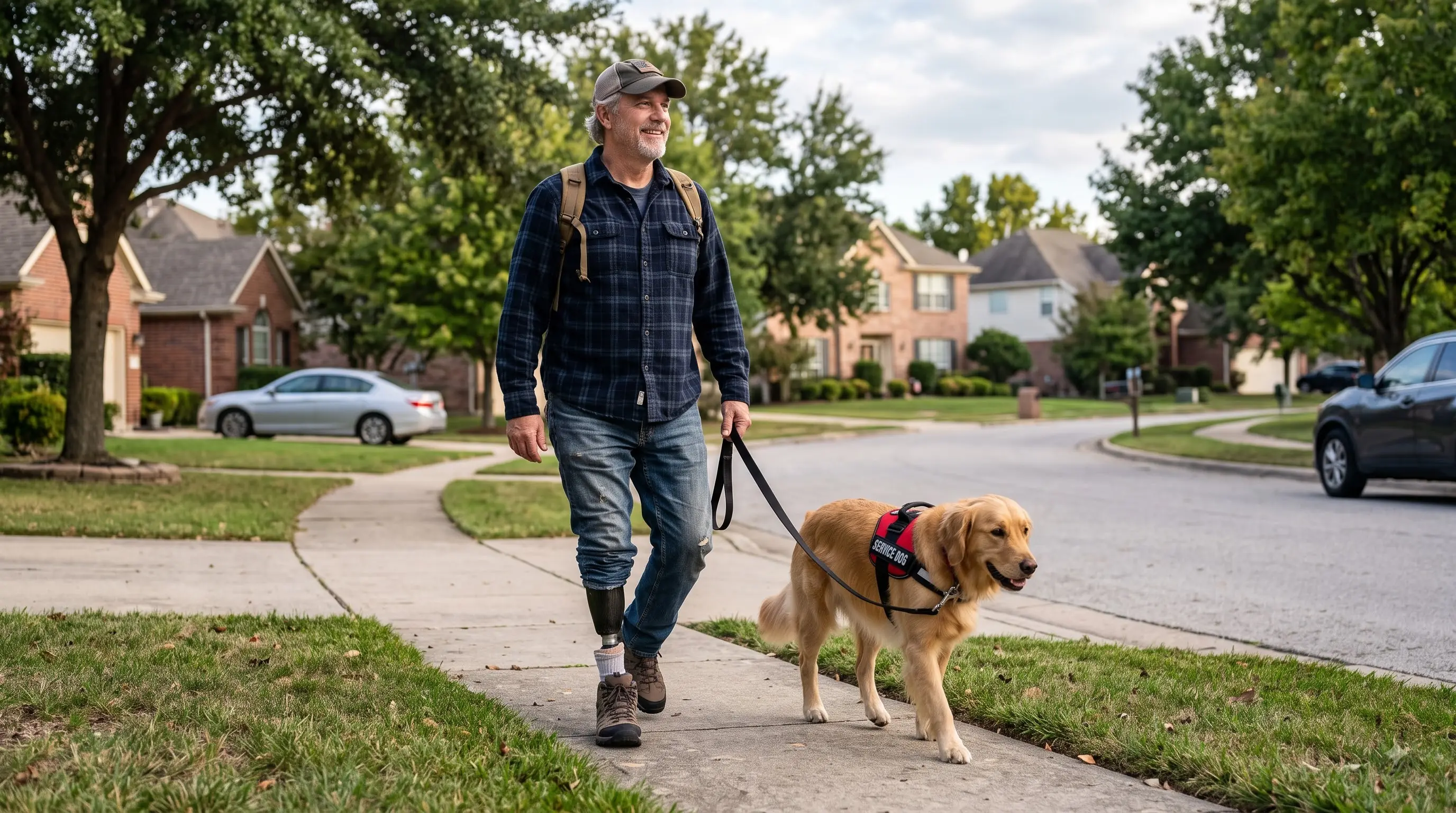
Care for the dog matters just as much as the dog’s care for its handler. The FDA’s Center for Veterinary Medicine recommends transitioning any working dog to a new food gradually over 7 to 10 days, since digestive upset can affect a service dog’s ability to focus and perform its trained tasks reliably.
The Emotional Weight These Dogs Carry
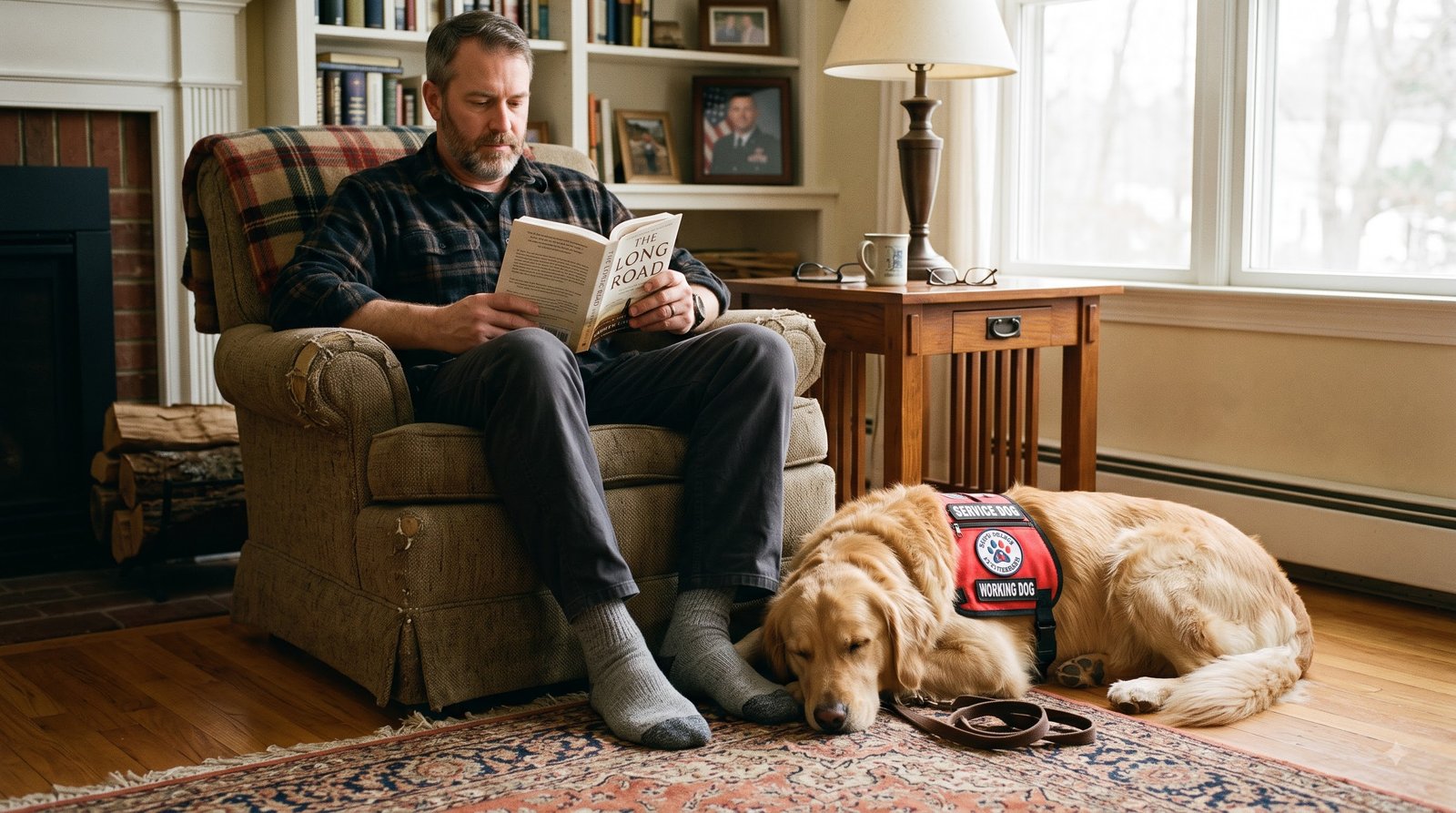
- They notice what others miss. Many service dogs learn to detect physiological signs of an oncoming panic episode before the veteran consciously feels it.
- They create safe distance. A trained block or cover command can ease the anxiety of crowded, unpredictable public spaces.
- They interrupt harmful patterns. Waking a handler from a nightmare or redirecting repetitive anxious behavior are common, practiced tasks.
- They give purpose. Caring for another living being provides structure and responsibility that many veterans describe as genuinely life-changing.
Why This Bond Is Different From a Typical Pet Relationship
A service dog partnership involves a level of interdependence that goes beyond companionship. The veteran relies on the dog’s trained responses, and the dog, in turn, relies on the consistency and care of its handler. That mutual dependence, built over years, tends to create a bond that both sides describe as profoundly different from any pet they’ve owned before.
Frequently Asked Questions
How long does it take to train a service dog for a veteran?
Most programs require 12 to 24 months of training before a dog is fully paired and certified with a veteran handler, followed by an adjustment period together.
Can any dog become a service dog for PTSD?
Not every dog has the temperament for it. Programs typically screen for calmness under pressure, low reactivity, and a strong desire to stay close to their handler.
Do veterans train with their service dog, or is the dog fully trained beforehand?
Both. Dogs arrive with core task training already in place, but veterans go through a bonding and handling period to reinforce commands and build trust together.
Is there a cost for veterans to receive a service dog?
Many reputable organizations provide service dogs to veterans at no cost, funded through donations, though ongoing care costs like food and veterinary visits fall to the veteran.
A Partnership Built on Trust
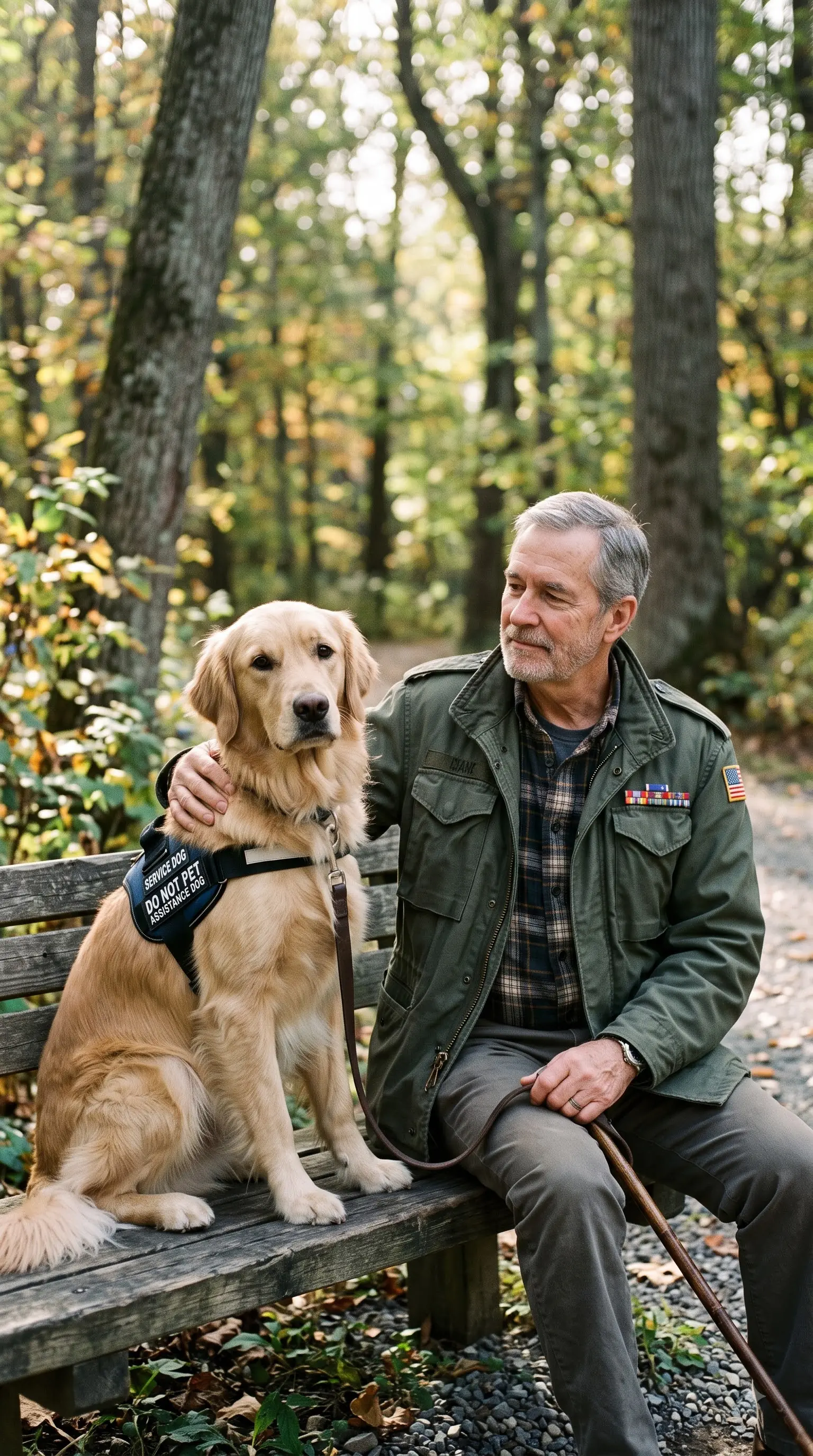
The bond between veterans and service dogs isn’t built overnight, and it isn’t just about the tasks a dog performs. It’s built through thousands of small, consistent moments of reliability — which, for many veterans readjusting to civilian life, turns out to be exactly what they needed most.
If your service dog or any working dog shows signs of digestive upset during a food transition, run the symptoms through our Pet Symptom Checker and consult your veterinarian. To learn more about what makes dogs such attentive companions, see our guide on why dogs stay so close to their people.
Source: U.S. Food and Drug Administration, Center for Veterinary Medicine

**Sidnir Vieira**
Founder of TechHavela
A passionate pet and tech content creator, helping dog owners across the U.S. make smarter decisions for their furry friends.