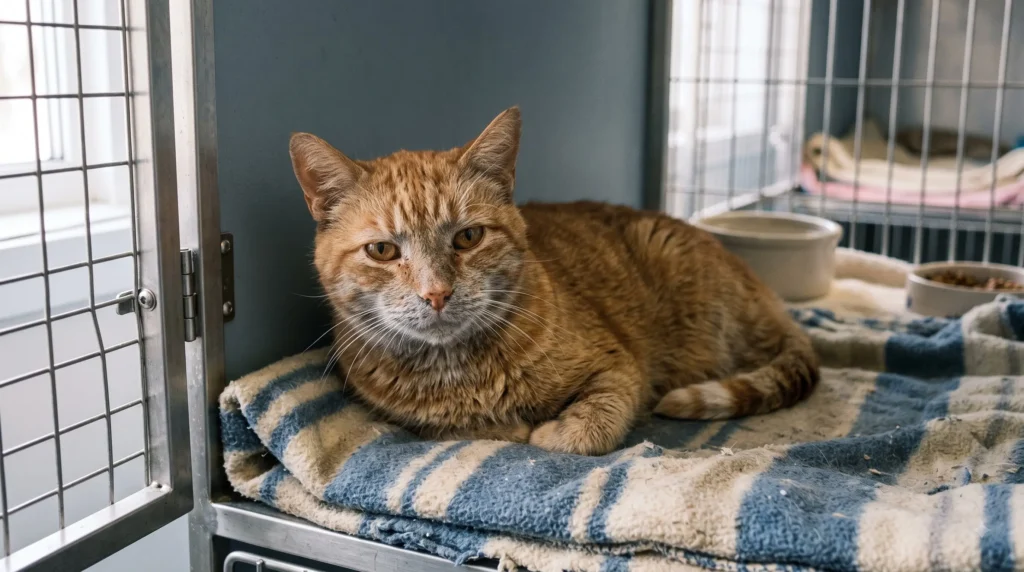
The Shelter Cat Nobody Wanted Who Became a Local Legend
Every shelter has one: the cat who’s been there longer than anyone can quite remember, passed over visit after visit, until one day someone finally stops at the right kennel. Overlooked shelter cats rarely get the spotlight the way puppies and kittens do, but the ones who do get noticed often end up becoming the most beloved animal in the building — sometimes the whole neighborhood.
Understanding why certain cats get passed over, and what changes when someone finally gives them a chance, says a lot about how shelter adoption really works.
Why Overlooked Shelter Cats Get Passed By
A handful of traits tend to stack the odds against a cat at the shelter: being black or dark-colored, being a senior, having a shy or reserved personality instead of an outgoing one, or simply not being a kitten anymore. None of these traits have anything to do with how good a companion the cat will actually be — they just make a cat less likely to catch a visitor’s eye in the first few seconds of a shelter visit.
Organizations like the ASPCA have long pointed to this pattern, and many shelters now run special promotions specifically to give overlooked cats more visibility, from discounted adoption fees to dedicated social media features.
What Changes When Someone Finally Notices
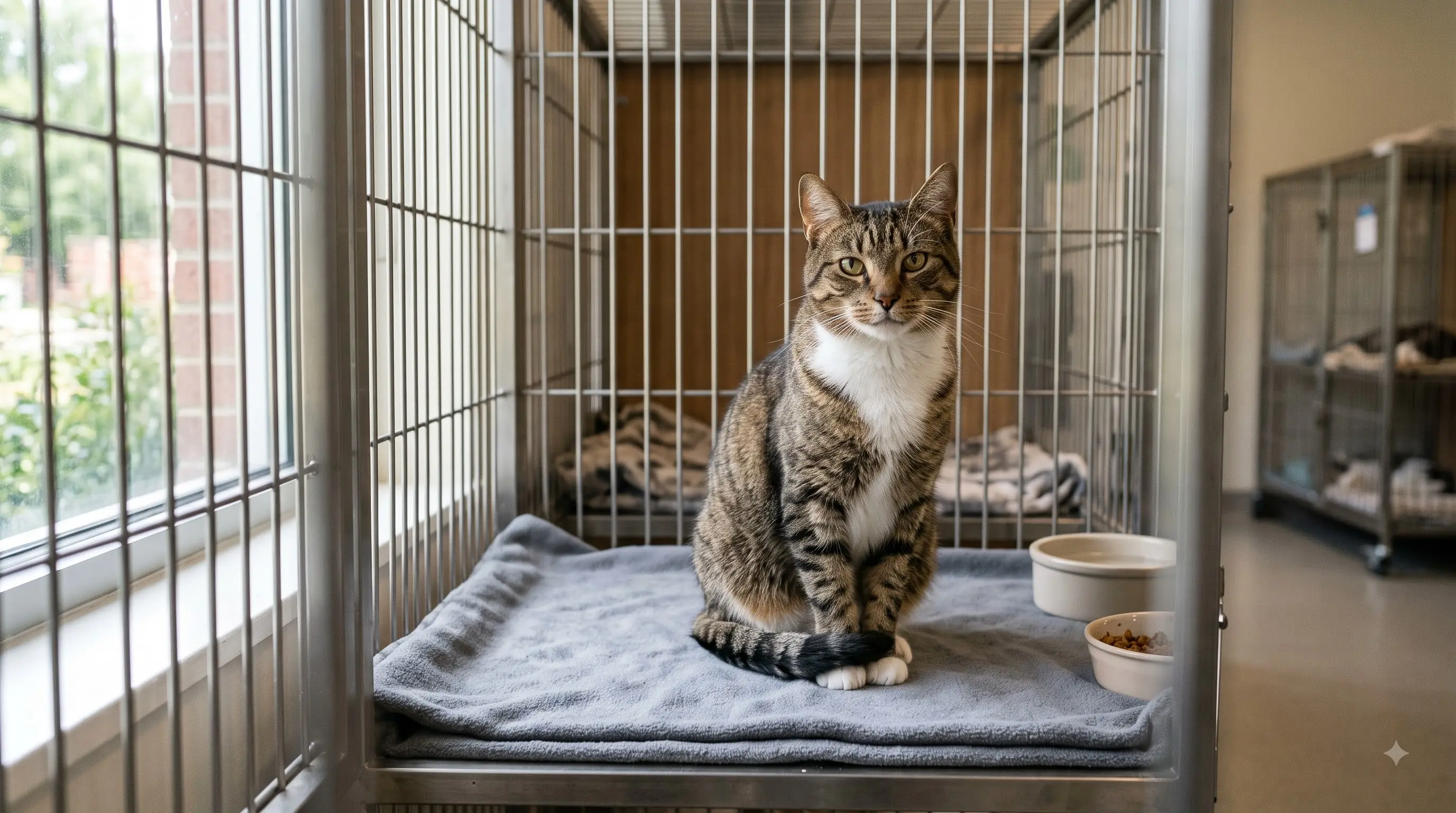
Shelter staff often describe a specific moment when a long-term resident cat gets picked — a visitor who wasn’t even planning to adopt that day, drawn in by something in the cat’s expression or a quiet moment of eye contact. It’s rarely dramatic. More often it’s just someone willing to sit down at the kennel instead of walking past it.
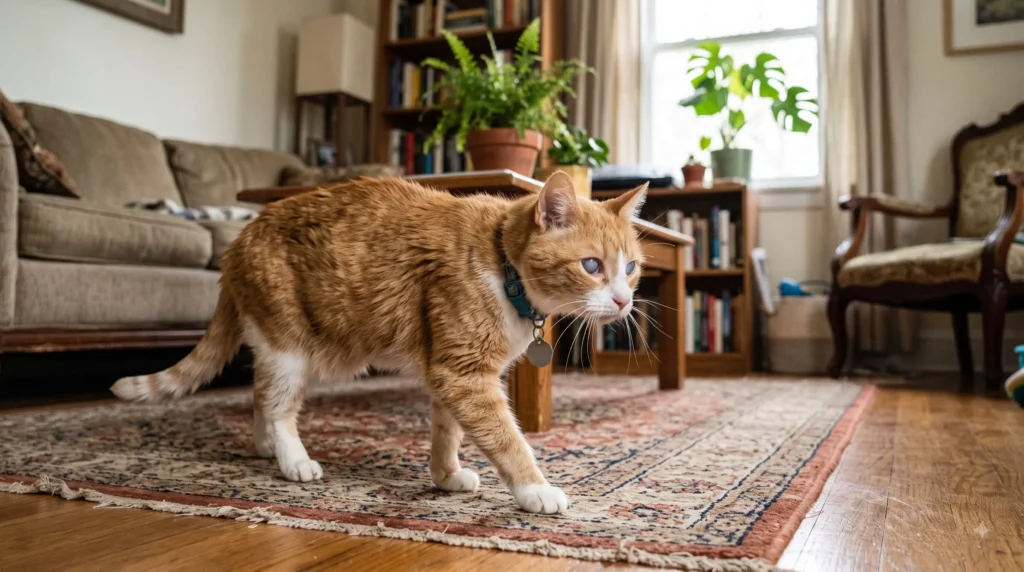
Once that connection happens, the transformation can be striking. Cats who seemed withdrawn or unremarkable in a shelter environment often reveal an entirely different personality once they’re in a calm home, with a routine and a person of their own.
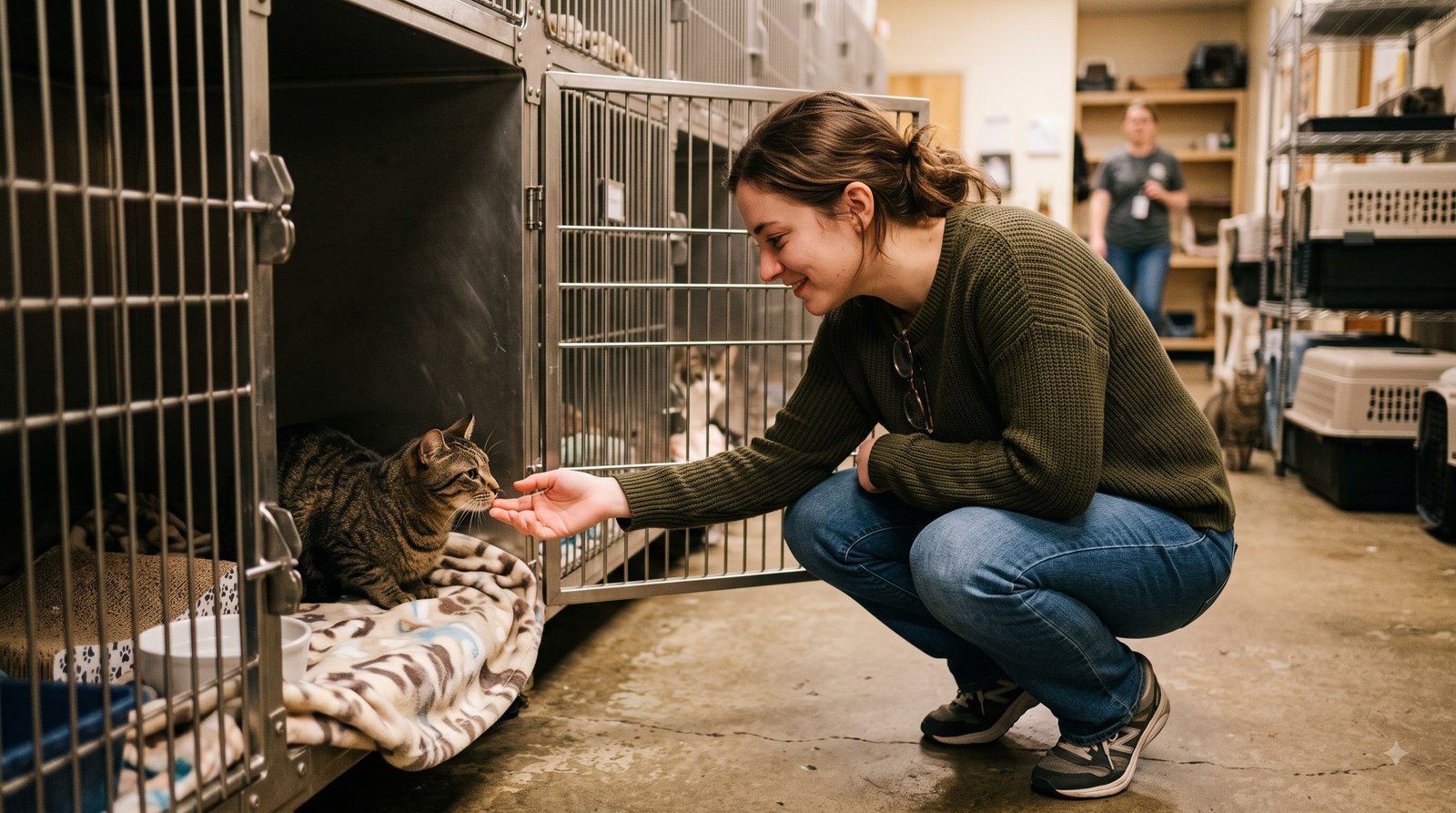
How a Local Legend Gets Made
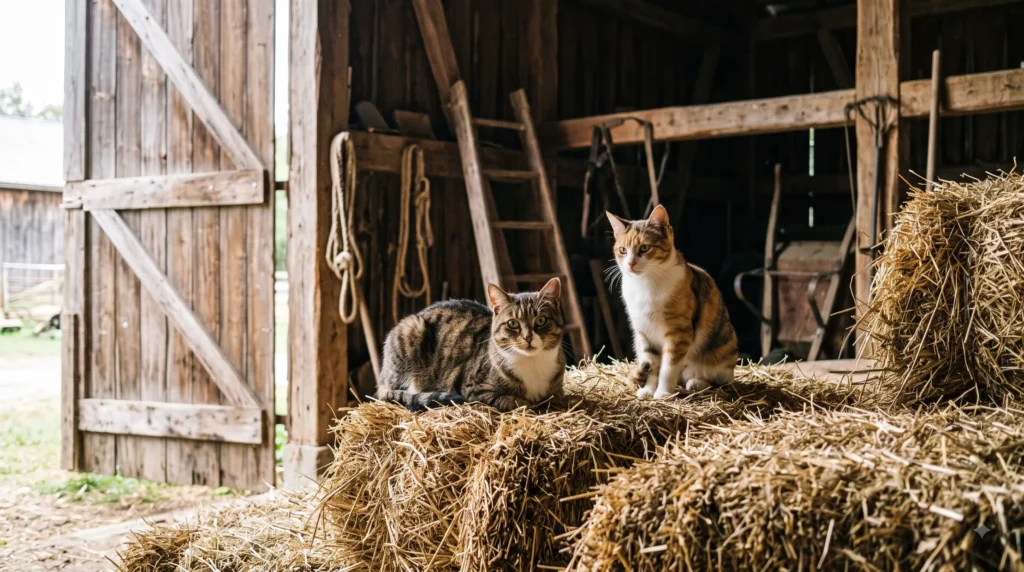
Occasionally, an overlooked shelter cat becomes something bigger than a single adoption story — a cat the whole neighborhood recognizes, whether through a local shelter’s social media, a regular spot in a nearby shop window, or simply years of visitors stopping to ask about “that cat.” These local legends aren’t chosen; they earn the title slowly, through personality and persistence, the same qualities that kept them waiting in the first place.
What makes these stories resonate is how ordinary they start. There’s no single dramatic event — just a cat who kept showing up, kept being itself, until enough people noticed.
Settling a Formerly Overlooked Cat Into a New Home
Cats who’ve spent a long time in a shelter environment sometimes need extra time to adjust once they’re finally adopted. A quiet room to start in, minimal new stimulation in the first few days, and a predictable feeding and litter box routine all help ease the transition.
Diet deserves the same care. The FDA’s Center for Veterinary Medicine recommends transitioning any cat to new food gradually over 7 to 10 days, mixing increasing amounts of the new food with the old, since abrupt changes can trigger digestive upset — something worth watching closely in a cat that’s already adjusting to a major life change.
Why These Cats Often Make Exceptional Companions
- They know what they want. Older or long-term shelter cats often have a clear, settled personality — no guessing how they’ll turn out.
- They notice the change. Adopters frequently describe a visible shift in a formerly overlooked cat once it realizes the home is permanent.
- They’re often calmer. Without the frantic energy of a kitten, these cats tend to settle into a household routine faster.
- They reward patience. The same qualities that kept them waiting — quiet, reserved, unhurried — often make them deeply loyal once they trust you.
Frequently Asked Questions
Why do black cats get overlooked more than other colors?
It’s a well-documented pattern in shelters, though the reasons are more about visibility and old superstitions than anything about the cats themselves — black cats often photograph less distinctly and get less attention on adoption pages as a result.
Do long-term shelter cats have more behavioral issues?
Not inherently. Extended shelter stays can add stress, but most of these cats settle quickly once they’re in a calm, permanent home with a consistent routine.
How long does it take an overlooked cat to adjust to a new home?
It varies, but a few weeks of a quiet, low-stimulation environment is typical before a formerly reserved cat starts to show its full personality.
Is it harder to adopt a senior or long-term shelter cat?
Usually the opposite — many shelters actively encourage these adoptions with reduced fees and extra support, since these cats tend to wait the longest.
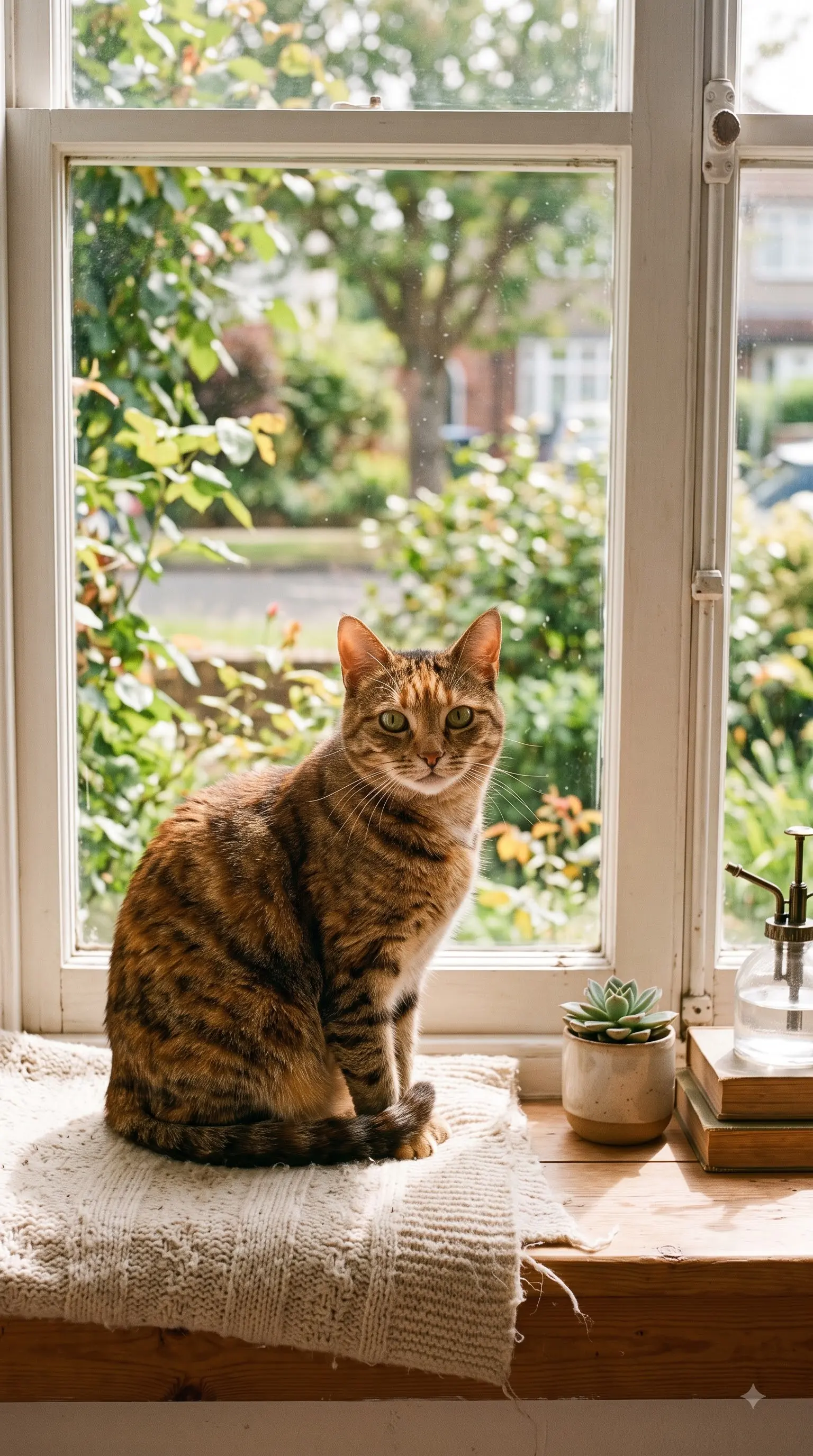
Every Overlooked Cat Deserves Their Moment
Overlooked shelter cats aren’t overlooked because something is wrong with them — they’re overlooked because first impressions favor kittens and bold personalities over patience and quiet confidence. The ones who finally get noticed tend to prove, again and again, that the wait was never about them.
If you’ve recently adopted a formerly overlooked cat and notice any signs of digestive upset during the food transition, run the symptoms through our Pet Symptom Checker and check in with your veterinarian. To learn more about the adoption process itself, see our guide on common mistakes to avoid when adopting a new cat.
Source: U.S. Food and Drug Administration, Center for Veterinary Medicine

**Sidnir Vieira**
Founder of TechHavela
A passionate pet and tech content creator, helping dog owners across the U.S. make smarter decisions for their furry friends.