Why Feral Cat Colonies Depend on Quiet Community Heroes
In almost every town, there is a group of cats that most people never notice. They live behind restaurants, in empty lots, and along quiet alleyways.
These are feral cat colonies, and they rarely survive on luck alone. Someone is usually watching over them, often without any recognition at all.
That someone is a community caretaker. Their quiet, consistent work is what keeps these cats fed, healthier, and safer than they would otherwise be.
Who Actually Looks After Feral Cat Colonies
Community caretakers are usually ordinary neighbors. They are not paid, and most work alone or in small informal groups.
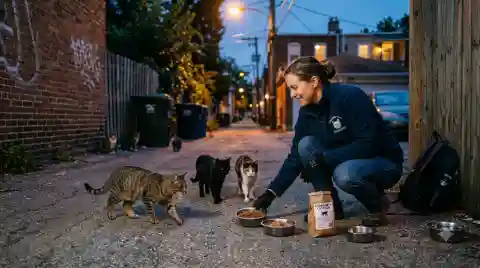
They show up on a schedule, rain or shine, because the cats have come to depend on that routine for survival.
Why Trap-Neuter-Return Matters So Much
Trap-Neuter-Return, known as TNR, is the most widely recommended approach for managing feral cat colonies humanely.
Cats are trapped, spayed or neutered, vaccinated, and then returned to their outdoor home. An ear tip marks them as already sterilized.
Over time, this keeps colony numbers stable and reduces the stray behaviors that used to cause conflict with neighbors.
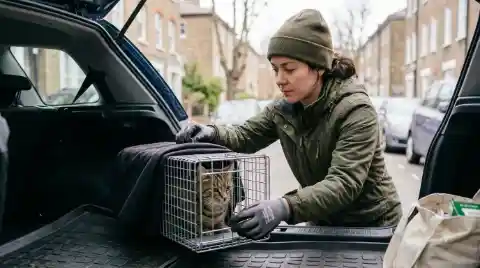
The Daily Routine Nobody Sees
Feeding is not random. Most caretakers set out food at the same spot and time every single day.
That predictability helps shy or skittish cats feel safe enough to eat, and it makes it easier to notice right away if a cat is missing or unwell.
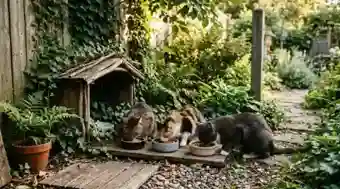
Real Impact of Community Cat Care
- Fewer kittens born outdoors: Consistent TNR efforts steadily reduce colony growth over time.
- Healthier cats overall: Regular feeding and monitoring catch illness and injury early.
- Calmer neighborhoods: Sterilized colonies show far less of the yowling and roaming that spark complaints.
- Longer, safer lives: Vaccinated, monitored cats tend to live longer than unmanaged strays.
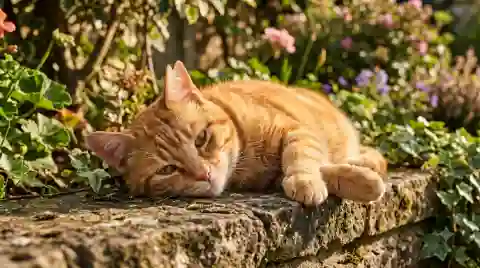
Earning Trust, One Quiet Visit at a Time
Feral cats are not unfriendly by choice. Most were never socialized to people, so trust has to be built slowly, from a distance.
Caretakers often spend months simply sitting nearby, letting a cat get used to their presence before ever attempting to help further.
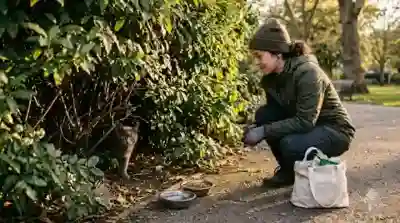
Frequently Asked Questions
What does it mean when a cat has a clipped or tipped ear?
A. It shows the cat has already been through TNR — trapped, sterilized, vaccinated, and returned to its colony.
Can feral cats ever become house pets?
A. Adult feral cats rarely adapt to indoor life, but kittens caught young enough can often be socialized and adopted.
Is it safe to feed a feral cat colony?
A. Yes, when done on a consistent schedule and paired with TNR so the colony stays healthy and stable rather than growing unchecked.
How can someone help a colony in their own neighborhood?
A. Contact a local TNR or rescue organization — many offer trap loans, low-cost spay/neuter clinics, and guidance for new caretakers.
Why Feral Cat Colonies Still Need People
Feral cat colonies are not simply wild groups fending for themselves. Behind almost every stable colony is a person quietly making sure it survives.
Their work rarely gets attention, but it changes the lives of hundreds of cats who would otherwise have no one looking out for them.
If you’re around cats or dogs regularly and something ever seems off, it’s worth checking symptoms early using our pet symptom checker. You may also enjoy reading about The Three-Legged Cat Who Never Missed a Beat or how barn cats earn their keep.
Source: Alley Cat Allies — a national organization providing general guidance on Trap-Neuter-Return and community cat care.

Sidnir Vieira is the founder of TechHavela. A lifelong pet owner who had a dog for many years and now lives with a cat, he writes educational guides that help owners understand symptoms and know when to call the vet. TechHavela’s articles are based on veterinary sources and are not reviewed by a veterinarian.