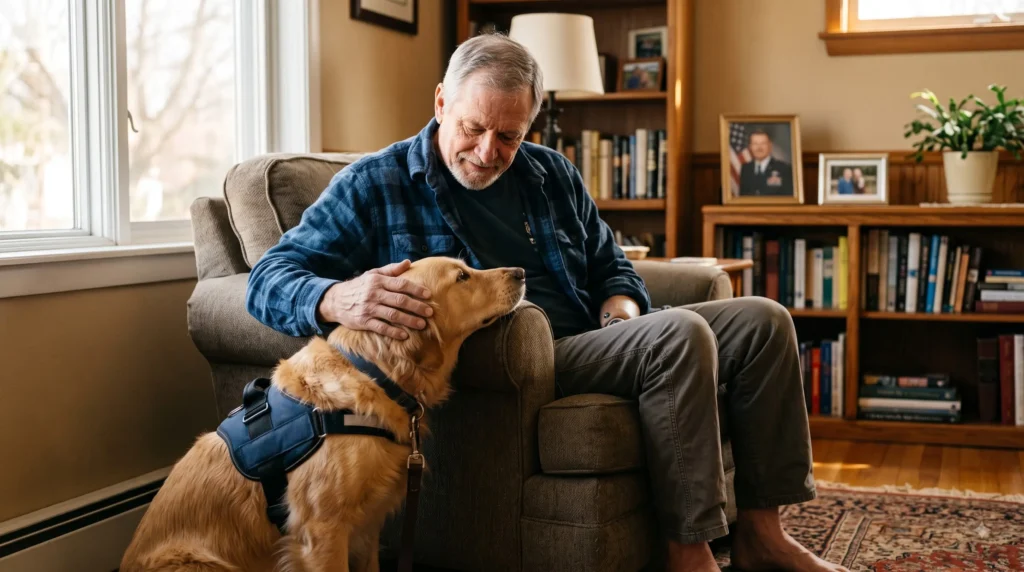
How a Dog’s Loyalty Helped One Family Through Their Darkest Year
Hard years come to every family eventually. A job lost, a diagnosis, a death in the family. In those stretches, small steady presences matter more than they ever have before.
For many households, that steady presence has four legs and doesn’t say a word. A dog’s loyalty doesn’t waver when everything else feels uncertain.
This is a general look at how dogs support families through genuinely difficult periods, and why researchers keep finding real benefit in that quiet, constant companionship.
Loyalty That Doesn’t Need Words
Dogs don’t understand a layoff notice or a hospital diagnosis, but they clearly sense when something in the house has shifted. Many owners describe their dog staying unusually close during hard weeks.
That closeness isn’t imagined. Dogs are highly attuned to human body language, tone of voice, and routine changes, often responding by seeking out the person who seems most distressed.
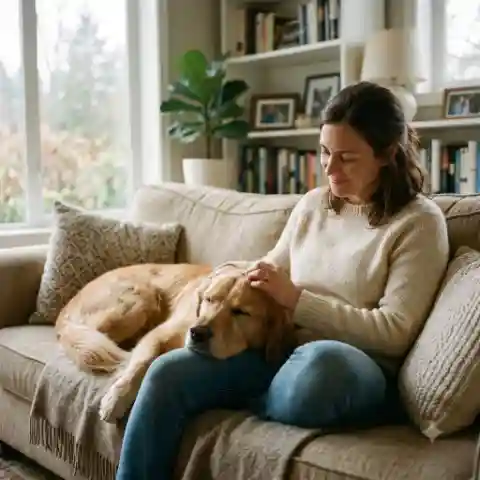
Whether it’s leaning against a leg, resting a head on a lap, or simply staying in the room, the message is the same: I’m here.
The Science Behind the Comfort
Research on the human-animal bond has consistently found that interacting with a dog can lower stress hormones and increase oxytocin, the hormone associated with bonding and calm.
During prolonged hardship, that physiological effect can matter. A short walk with a dog, or even just petting one, can offer a brief but real reset during an otherwise overwhelming day.
Mental health professionals increasingly recognize pets as a meaningful part of a person’s broader support system during grief, illness, or major life stress.

Routine as a Form of Support
One overlooked way dogs help families through hard times is simply by requiring routine. Feeding, walks, and basic care don’t pause for a crisis, and that structure can be grounding.
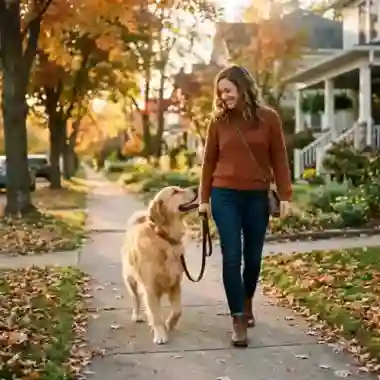
Getting outside for a walk, even when motivation is low, has its own benefits: fresh air, light exercise, and a brief change of scenery that’s easy to skip without a dog waiting by the door.
Children in the household often find comfort in this routine too, with the family dog becoming a steady point of normalcy when everything else feels unfamiliar.
Real Impact
- Lower stress markers: Studies link time spent with a dog to reduced cortisol and increased oxytocin levels.
- Built-in routine: Daily care needs provide gentle structure during periods when motivation is otherwise low.
- Nonjudgmental presence: Dogs offer companionship without requiring conversation, which can feel easier during emotionally heavy periods.
- Support for children: Kids in the household often lean on the family dog as a steady, comforting presence during unfamiliar or stressful times.

Frequently Asked Questions
Can dogs really sense when someone is struggling emotionally?
A. Dogs pick up on tone of voice, body language, and routine changes, and many respond by staying closer or acting more attentive to a distressed family member.
Is it common for people to lean on pets during hard times?
A. Yes, many people describe their pets as an important part of how they coped with major life stress, grief, or illness.
Do dogs need special training to be supportive during hard times?
A. No, ordinary companion dogs naturally offer comfort through presence and routine, though formal emotional support or therapy roles do require training.
What’s a simple way to benefit from time with a dog during a hard week?
A. Something as small as a short daily walk or a few quiet minutes of petting can help, even on days when energy for anything else is low.
Why a Dog’s Loyalty Matters Most in Hard Years
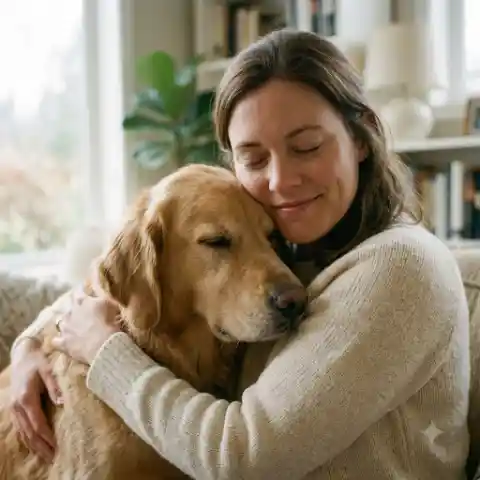
A dog’s loyalty rarely makes headlines, but it shows up in the small, steady moments that carry a family through its hardest stretches.
If you’re concerned about a pet’s health or behavior, our pet symptom checker can help you decide when it’s time to call the vet. You may also enjoy reading about how rescue dogs learn to trust again or the bond between veterans and their service dogs.
Source: Human Animal Bond Research Institute (HABRI) — general research on the health and emotional benefits of the human-animal bond.

Sidnir Vieira is the founder of TechHavela. A lifelong pet owner who had a dog for many years and now lives with a cat, he writes educational guides that help owners understand symptoms and know when to call the vet. TechHavela’s articles are based on veterinary sources and are not reviewed by a veterinarian.