Quick answer: Why is my cat’s third eyelid showing? A visible third eyelid can happen with eye problems such as conjunctivitis, with nerve problems, or when a cat is generally unwell. Because it often points to an underlying problem, a veterinary exam is a good idea, especially if it lasts or comes with other signs. You can also use our Pet Symptom Checker, which covers cats and dogs.

What Is the Third Eyelid?
Cats have a third eyelid in the inner corner of each eye. You do not usually see much of it. When it becomes visible, it can look like a pale or pink film across part of the eye. Seeing it for a moment in a very sleepy cat can be normal. Seeing it for hours or days is a reason to call your vet.

When to Call the Vet Right Away
Call your veterinarian right away, or go to an emergency clinic, if your cat:
- has just had an injury, fall or been hit by a car;
- has a swollen, red or painful eye, or squints and keeps the eye closed (see why a cat’s eye may be red);
- has one pupil that looks different from the other;
- seems very tired, hides or refuses food (see hiding and not eating);
- has vomiting or diarrhea along with the eye change (see vomiting).
VCA Animal Hospitals notes in its guide to recognizing signs of illness in cats that eye changes can be a sign of illness in cats.

Possible Causes
Only a veterinarian can find the cause. Possible causes include:
- Conjunctivitis. Cornell’s Feline Health Center says in its page on conjunctivitis in cats that it is a common feline eye disorder, caused mainly by infections such as feline herpesvirus, calicivirus, chlamydia or mycoplasma, and that allergies and irritants can also play a part. See also why a cat’s eye may look cloudy.
- Nerve problems. VCA explains in its page on Horner’s syndrome in cats that this nerve condition can raise the third eyelid, and that sometimes it is the only obvious sign. It often follows trauma in cats.
- General illness. A raised third eyelid is often seen in cats that are sick.

What You Can Do at Home
- Look at both eyes in good light and note if one or both are affected.
- Take a photo to show your vet how it looks.
- Do not put drops or ointment in the eye unless your vet tells you to.
- Keep your cat calm and indoors until it is examined.
- Watch appetite, energy and behavior. Changes can help your vet. See why a cat may act strange.

What the Veterinarian May Do
Your vet will look at the eyes, check the pupils and the rest of the body and may recommend tests. Treatment depends on the cause and may be for the eye or for another illness.

How the Pet Symptom Checker Can Help
Our Pet Symptom Checker helps you look up symptoms in cats and dogs and see common reasons and warning signs. It does not diagnose and does not replace a veterinarian, but it can help you describe the problem clearly.
What the Third Eyelid Does
Cats, like dogs and many other animals, have a third eyelid in the inner corner of each eye. It is also called the nictitating membrane or, in everyday speech, the “haw.” This thin, pale or pinkish fold of tissue sweeps across the eye from the inside corner. It helps spread tears, clear debris and protect the surface of the eye. Most of the time you cannot see it, because it rests out of view. You may notice a small part of it when your cat is very sleepy, just waking up or deeply relaxed. That brief, symmetrical glimpse is usually normal.
The reason to pay attention is when the third eyelid stays visible, covers part of the eye or shows up in only one eye. When this happens, it is the body’s way of signaling that something is going on, either in the eye itself or somewhere else in the body. Our article on why a cat may hide and the guide on why a cat may act strange describe other subtle signs of illness that often appear together with eye changes.
One Eye or Both Eyes?
Looking at which eye is affected gives a useful clue. When the third eyelid is visible in only one eye, the cause is more likely to be local, such as an irritation, a scratch on the surface of the eye, an infection, a foreign object or a nerve problem on that side. When it is visible in both eyes, the cause may be more general, such as illness, pain, dehydration, weight loss or a gastrointestinal problem. Both patterns need a veterinary check, but a one-eyed change may call for a faster eye exam, especially if the eye is red, squinting or painful.
Eye Problems That Can Make the Third Eyelid Show
- Conjunctivitis. Cornell’s Feline Health Center describes conjunctivitis as inflammation of the tissue that lines the eyelids and covers the front of the eye. Signs can include redness, discharge, squinting and a visible third eyelid. In cats, infections such as feline herpesvirus are a common cause.
- Corneal injury or ulcer. A scratch on the surface of the eye is painful. The cat may squint, tear a lot and keep the eye closed, and the third eyelid may rise to protect it. Corneal ulcers can worsen quickly and need prompt care.
- Foreign objects. A bit of dust, plant material or a claw scratch can trigger irritation.
- Uveitis and glaucoma. These are serious, painful conditions that can threaten vision and need urgent attention.
- Eye injury or trauma. After a fight, a fall or an accident, the eye and the eyelids can be hurt.
Nerve and Muscle Problems
The third eyelid can also protrude because of a nerve problem. VCA Animal Hospitals explains in its page on Horner’s syndrome in cats that damage to a certain group of nerves can lead to a drooping upper eyelid, a smaller pupil and a raised third eyelid on the same side. Horner’s syndrome can follow an ear problem, an injury or other conditions, and sometimes no cause is found. A vet can examine the eye and the ears and decide what tests are needed. Many cases improve, but the cause should be checked.
Illness That Affects the Whole Body
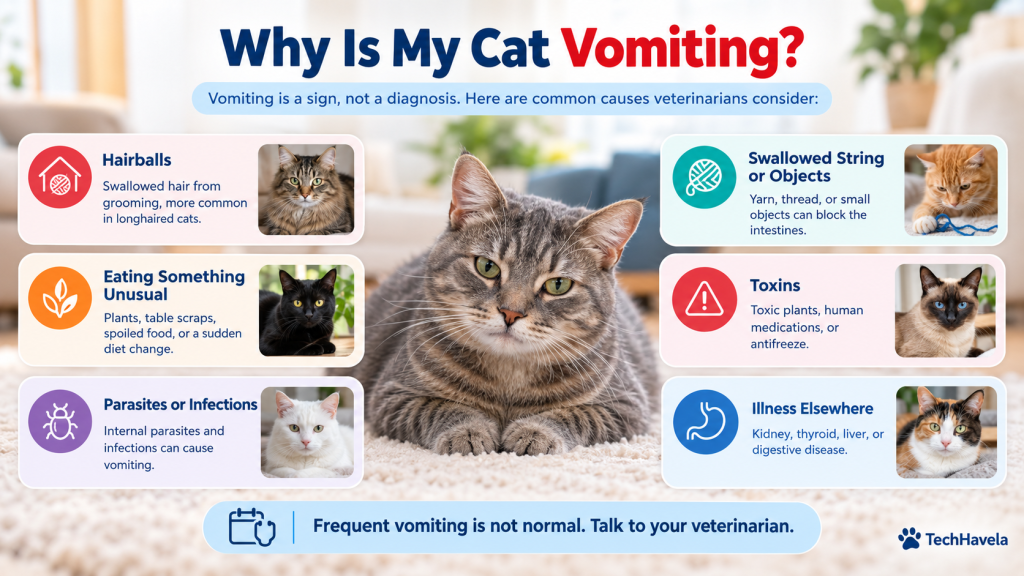
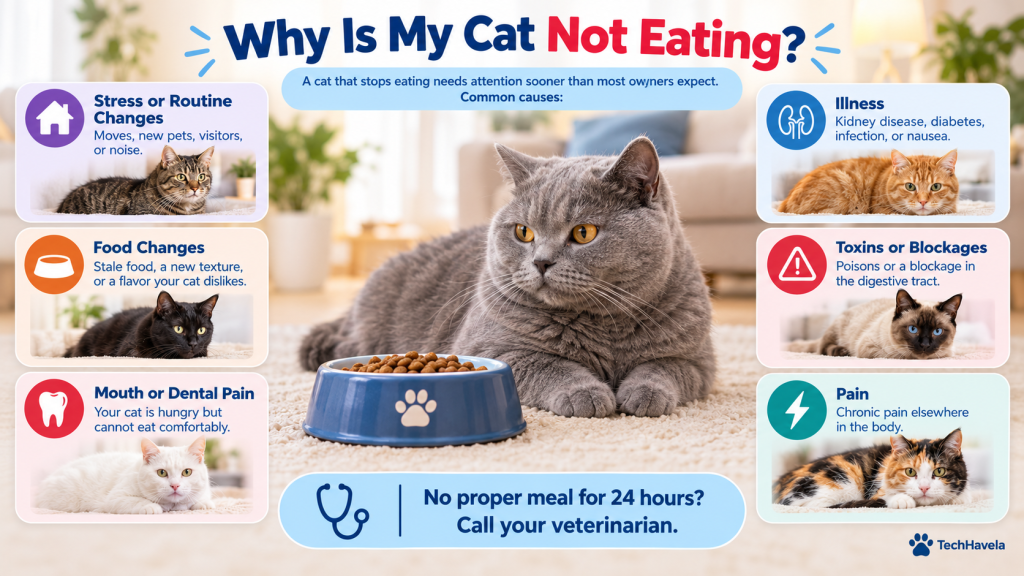
Because the third eyelid is partly controlled by the nervous system and by the tissues around the eye, it can rise when a cat is unwell for reasons that have nothing to do with the eye itself. A raised third eyelid is often seen in cats that are ill, in pain, dehydrated or losing weight. It can also appear with intestinal parasites, diarrhea or other digestive problems, and in cats with some systemic infections. If your cat’s third eyelid is visible in both eyes and the cat is also eating less, vomiting or having diarrhea, the situation deserves quick attention. Read why a cat may vomit and why a cat may not be eating for more on those signs.
Weight Loss, Sunken Eyes and Muscle Loss
In thin or dehydrated cats, the eyes can sink slightly into the sockets, and this lets the third eyelid show more. Weight loss, loss of muscle and a dull coat also point toward illness. If you notice that your cat’s eyes look sunken, its coat is rough and the third eyelid is showing, schedule a visit soon. Your vet may suggest blood and urine tests, a check for parasites and other tests to look for the cause.
Kittens and the Third Eyelid
Kittens often show a visible third eyelid when they have intestinal parasites, an upper respiratory infection or when they are weak. Because kittens can get sick quickly, a kitten with a visible third eyelid, eye discharge or low energy should be seen by a vet as soon as possible. Keep the kitten warm and make sure it is eating. Deworming and vaccinations on schedule help prevent many of these problems.
How to Look at Your Cat’s Eyes Safely
You can learn a lot by looking carefully, without touching the eye. Sit your cat in good light. Compare both eyes: are they the same size, color and shape? Is one pupil smaller or larger? Is one eye squinting, watery or red? Is there any discharge, and what color is it? Is the third eyelid covering part of the eye? Take clear photos from the front, and note how long the change has lasted. Do not use eye drops, ointments or home remedies unless your vet prescribes them. Some drops can make an injured eye worse, such as those that contain steroids.
What the Veterinarian May Do
An eye exam may include a check of the eyelids and the surface of the eye, a test of tear production, a stain that shows scratches on the cornea, a measurement of the pressure inside the eye and a look at the structures behind the pupil. If the problem seems to affect the whole body, the vet may suggest blood tests, parasite checks or other tests. Treatment depends on the cause and can include eye medicine, pain relief, treatment for infection or parasites, fluids or other care. Some conditions need a follow-up visit to check that they are healing.
Contagious Causes and Multi-Cat Homes
Some eye infections, such as those caused by herpesvirus, can spread to other cats. If one cat in the home has red, watery eyes with sneezing, watch the others and ask your vet whether to separate them. Wash your hands between cats, clean food and water bowls often and avoid sharing bedding until your vet says it is safe. Stress can trigger flare-ups in cats that carry herpesvirus, so keep routines calm and provide enough space, litter boxes and hiding places.
When to Go to the Clinic Without Delay
Head to a veterinarian or an emergency clinic quickly if your cat’s eye is suddenly cloudy, bulging, very red or swollen, if your cat keeps the eye shut or paws at it, if there has been an injury or if the pupils are different sizes. These signs can mean serious problems that need immediate treatment to save the eye or vision. Keep your cat quiet, prevent rubbing and bring a photo or a note of when it started.
Protecting Your Cat’s Eyes in Daily Life
Prevention starts with a safe home. Keep sharp objects, harsh cleaning products and sprays away from your cat’s face. Trim your cat’s nails and those of other cats in the home to reduce scratches during play. Keep vaccinations up to date, since they help protect against viruses that can affect the eyes. If you have a multi-cat home, watch for signs of stress between cats, which can lead to fights and eye injuries. Have your vet look at your cat’s eyes during routine exams, so that small changes can be found early.
Keeping a Simple Eye Log
If your cat has had eye trouble, a short log can be very useful. Take a photo every day in the same light, and write down whether the eye looks better, the same or worse. Note any discharge, squinting, rubbing and changes in appetite. Bring the photos to follow-up visits, because eyes can change from morning to evening and may look different in the clinic. A clear record helps your vet decide whether treatment is working or needs to change.
Giving Eye Medicine the Easy Way
If your vet prescribes drops or ointment, ask for a quick demonstration. Wash your hands, wrap your cat gently in a towel if needed and have a treat ready. Hold the head steady with one hand, tilt it slightly upward and apply the drop without touching the tip of the bottle to the eye. Release your cat and give a treat. If you have trouble, tell the clinic. They can show you a different method or suggest another form of medicine. Never skip doses, since many eye problems need steady treatment to heal.
Frequently Asked Questions
Is it normal to see a cat’s third eyelid?
Briefly, in a sleepy cat, it can be. If it stays visible, have your vet check your cat.
Does it mean my cat is sick?
VCA notes that sick cats often have a raised third eyelid, but eye problems can also be the cause. A vet exam is the way to know.
Can it affect only one eye?
Yes. Note which eye is affected and tell your vet.
Should I use eye drops?
Only if your veterinarian recommends them.
Final Thoughts
A third eyelid that stays visible is worth a vet visit. Note what you see, watch for other signs and get your cat checked.
This article is for general education only. It does not diagnose any condition and does not replace advice from your veterinarian.

Sidnir Vieira is the founder of TechHavela. A lifelong pet owner who had a dog for many years and now lives with a cat, he writes educational guides that help owners understand symptoms and know when to call the vet. TechHavela’s articles are based on veterinary sources and are not reviewed by a veterinarian.