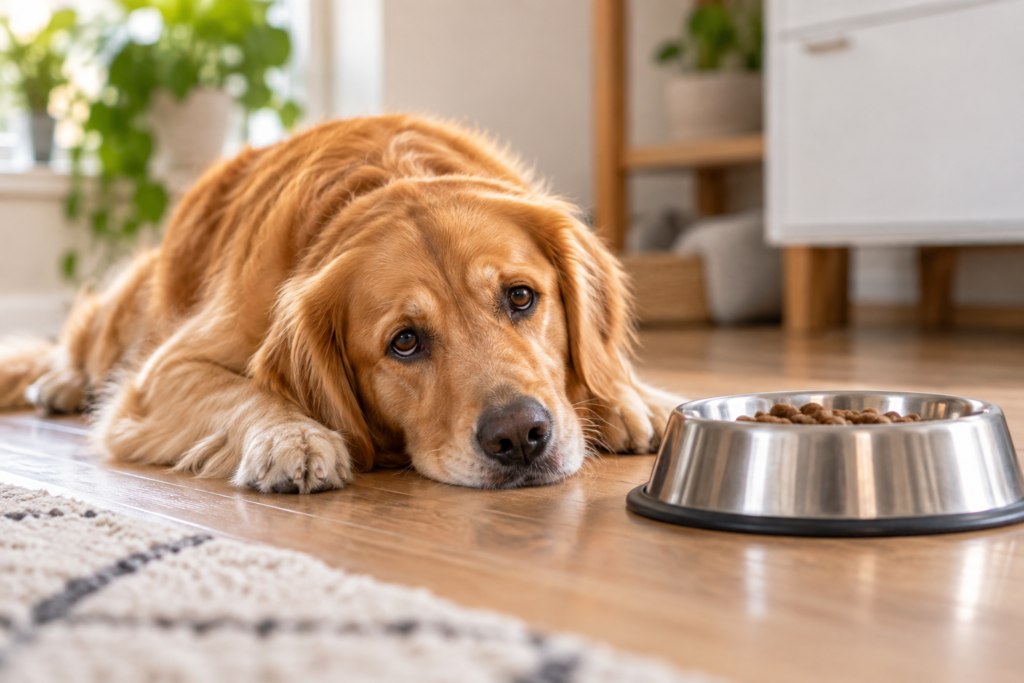
Quick answer: Signs your dog trusts you include soft, relaxed eyes, slow blinks, sleeping or snuggling near you, a deep sigh when settling, a relaxed body, a loose wag and following you around. Each dog is different, so look at the whole picture. You can also use our Pet Symptom Checker, which covers dogs and cats.

Reading Your Dog’s Body Language
Dogs talk with their eyes, ears, tail and posture. The American Veterinary Medical Association (AVMA) has a guide on how to read dog body language. The signs below are common signs that a dog feels safe, but no single sign tells the whole story.

7 Signs Your Dog Feels Safe With You
- Soft eyes and slow blinks. VCA explains in its page on reading your pet’s eyes that relaxed, droopy eyelids and slow blinks are like a smile.
- Snuggling or sleeping near you. VCA says a dog that settles beside you feels safe and sees you as part of its circle.
- A deep sigh. VCA notes in its page on why dogs sigh that a deep sigh while lying down or stretching often means a dog feels safe and at ease.
- A relaxed body. Calm dogs have loose muscles, normal breathing and a soft face.
- A loose wag or wiggle. A wiggly body is a friendly sign. Read VCA’s guide to tail wagging.
- Following you around. Many dogs like to be near the people they trust.
- A happy greeting. VCA says that your dog may jump, bark and get very excited when you come home.
For more on how dogs show affection, read VCA’s page Does my dog love me?.

When Trust Is Still Growing
A shy dog, a rescue or a dog with a hard past may need time. Read how rescue dogs learn to trust again and the story how a dog’s loyalty helped one family. Signs of fear, such as hiding, shaking or flattened ears, are worth noticing. See signs of stress in dogs and why a dog may hide under the bed.

When to Call the Vet
If your dog suddenly seems to avoid you, hides, flinches when touched or acts very differently, call your veterinarian. Pain or illness can change behavior. See why a dog may act strange all of a sudden.

How to Build Trust
- Be calm and predictable.
- Reward good behavior with treats, praise and play.
- Do not punish. It can make a dog fearful.
- Let your dog come to you, and respect when it wants space.
- Give daily exercise and play. Smart toys can help, see our guide to a smart dog training gadget.

How the Pet Symptom Checker Can Help
Our Pet Symptom Checker helps you look up symptoms in dogs and cats and see common reasons and warning signs. It does not diagnose and does not replace a veterinarian, but it can help you describe changes in your dog’s behavior.
What Trust Means for a Dog
Trust does not mean that a dog obeys every command. It means your dog feels safe with you: it expects good things from your hands, your voice and your presence. A trusting dog is more likely to relax, to learn quickly, to recover from fear and to accept care such as brushing, nail trims and vet visits. Trust grows from many small, predictable experiences over time, such as being fed on schedule, being protected from things that scare it and being treated gently.
Different dogs show trust in different ways. A confident, social dog may greet you with a wiggling body and a toy in its mouth. A shy dog may simply choose to stay in the same room. Both can be signs of growing trust. The signs described by sources such as VCA Animal Hospitals and the American Veterinary Medical Association are best seen as a whole picture. Look at the eyes, mouth, ears, tail and the way your dog moves all at once.
More Signs of a Relaxed, Trusting Dog
Beyond the seven signs above, you may notice these in dogs that feel safe:
- Showing the belly. Rolling over can be a sign of trust, but only when the body is loose and the face is soft. A stiff body with a tucked tail and wide eyes can mean the opposite, so look at the whole dog.
- Leaning on you. Many dogs press their bodies against their people for comfort.
- Bringing you toys. A dog that wants to play with you is showing it feels safe.
- Checking in on walks. A dog that looks back at you during a walk sees you as a reliable guide.
- Taking treats gently. A calm mouth around your hand shows comfort.
- Letting you handle its paws, ears and mouth. This takes trust, and you can build it with practice and rewards.
- Sleeping deeply in your presence. Dogs sleep lightly when they feel unsafe.
Signs a Dog Is Not Yet Comfortable
It is as important to recognize signs of stress as it is to see signs of trust. These can include lip licking when nothing is around, yawning when not tired, turning the head away, a tucked tail, flattened ears, a stiff body, showing the whites of the eyes, panting without heat, pacing, shaking and hiding. Our guide on signs of stress in dogs lists more. If you see these signs, give your dog space and avoid forcing contact. If your dog hides under furniture, read why a dog may hide under the bed.
Building Trust Step by Step
Whether you have a new puppy, a rescue dog or a dog that has lived with you for years, you can strengthen trust with a few habits. Think of each day as a chance to make a small deposit in a trust account.
- Be predictable. Feed, walk and play at similar times. Dogs feel safer when they know what will happen next.
- Let your dog choose. Offer a hand to sniff and let the dog come to you. Do not hug or loom over a nervous dog. Many dogs find hugs stressful.
- Use rewards. Treats, praise and play teach your dog that being near you is good. Avoid yelling and physical punishment, which can make fear worse.
- Protect your dog from overwhelm. If something is too scary, move away calmly. Showing that you will help builds confidence.
- Practice gentle handling. Touch paws, ears and mouth for a second, give a treat, and slowly increase the time.
- Offer a safe place. A crate, bed or quiet corner where your dog is never disturbed gives it a place to recover.
- Be patient. For a dog that has been mistreated or has lived in a shelter, trust can take weeks or months.
Rescue Dogs and Trust
Dogs that come from shelters or from rough situations may need extra time. They might freeze, hide, startle at small sounds or avoid certain people. A common idea among shelter workers is the “rule of threes”: roughly three days to decompress, three weeks to learn the routine and three months to feel truly at home. This is only a rough guide, and every dog is different. Keep things calm in the first days, keep the house routine steady and avoid crowds and big social events at first. Read our article on how rescue dogs learn to trust again for more.
Trust and Training
Training based on rewards builds trust because it teaches your dog that it can earn good things by making choices. Short sessions, clear signals and treats that your dog loves work better than pressure and punishment. Training also gives your dog mental exercise, which can lower stress. If you enjoy gadgets, a smart dog training gadget can help with practice, but nothing replaces your own calm presence and consistency.
When Trust Suddenly Changes
If a dog that was friendly suddenly starts to avoid you, growl when touched or hide, pain or illness may be the cause. Dogs often become defensive when something hurts, and it is not a sign that they stopped trusting you. A check-up can rule out pain from dental problems, arthritis, ear infections or other issues. See also why a dog may act strange all of a sudden. If your dog shows aggression, ask your veterinarian for help and consider a qualified behavior professional. Do not try to handle serious aggression alone.
Children, Visitors and Other Pets
Trust with you does not automatically mean trust with everyone. Teach children to approach calmly, to pet the shoulder or chest rather than the head and to leave a dog alone while it eats or sleeps. Always supervise young children with dogs. When guests come, give your dog a quiet place to rest if it is overwhelmed. With other pets, introduce them slowly and reward calm behavior. A dog that feels safe in its home is less likely to react with fear.
Enjoying the Bond
The bond between a person and a dog is one of the great pleasures of pet ownership. Watching for these small signs, answering them with kindness and giving your dog daily care will help it feel secure. Take a moment each day for something your dog loves, whether that is a slow walk, a game or simply sitting together. Your dog will notice, and so will you.
Reading the Whole Dog: A Quick Checklist
When you are unsure how your dog feels, run through this short checklist. Face: are the eyes soft or hard, and is the mouth loose or tight? Ears: are they relaxed or pinned back? Body: is it loose and wiggly or stiff and low? Tail: is it moving in a loose, sweeping way or held rigid? Movement: is your dog moving easily or freezing, pacing or hiding? If most signs are relaxed, your dog likely feels safe. If you see several signs of tension, give your dog space and look for the cause.
Trust Takes Time, and That Is Normal
If your dog does not show many of these signs yet, do not take it personally. Some dogs are naturally reserved, and others have had bad experiences that take time to heal. Celebrate small changes: a first tail wag, a first nap in the same room, a first time taking a treat from your hand. Each is a step forward. Keep your routines gentle and predictable, and avoid pushing for affection before your dog is ready. Over the weeks and months, most dogs become more confident and open.
Keeping Trust Strong for Life
Trust is not something you earn once and keep forever; it is maintained by everyday choices. Keep your promises, such as regular walks and meals. Be a calm guide in new situations. Help your dog feel safe at the vet by practicing gentle handling and giving treats during visits. As your dog ages, adapt to its needs with softer beds, shorter walks and regular health checks. Every kind interaction strengthens the bond, and a dog that trusts you will be easier to care for through every stage of life.
A Daily Habit to Strengthen the Bond
Try setting aside ten minutes each day for focused time with your dog, with no phone and no distractions. You can practice a trick, play a sniffing game or simply sit together and offer gentle strokes on the chest and shoulders. Notice how your dog responds: a relaxed body, soft eyes and a leaning posture all tell you that the time is appreciated. Over weeks, this simple habit can deepen trust and give you a better feel for your dog’s moods, which will help you spot problems early.
Frequently Asked Questions
How do I know if my dog trusts me?
Look for relaxed eyes, a loose body, sleeping near you, a loose wag and a happy greeting.
Does a wagging tail always mean a happy dog?
No. Look at the whole body. A loose, wiggly body is a friendlier sign than a stiff one.
Can a shy dog learn to trust?
Many dogs can, with calm routines, patience and rewards.
When should I worry about a change?
If your dog suddenly avoids you or acts very differently, call your vet.
Final Thoughts
Trust grows through calm, patient time together. Watch your dog’s body language and enjoy the small signs that it feels safe with you.
This article is for general education only. It does not diagnose any condition and does not replace advice from your veterinarian.

Sidnir Vieira is the founder of TechHavela. A lifelong pet owner who had a dog for many years and now lives with a cat, he writes educational guides that help owners understand symptoms and know when to call the vet. TechHavela’s articles are based on veterinary sources and are not reviewed by a veterinarian.