
Smart Dog Training Gadget
The AI Gadget That’s Revolutionizing Dog Training in 2025
Dog training has come a long way from treats and repetition alone. In 2025, a new wave of AI-powered devices is giving owners real-time feedback on their dog’s behavior, translating bark patterns, tracking activity, and even offering personalized training suggestions based on data collected throughout the day. It’s a genuinely useful evolution for anyone trying to build better habits with their dog, though it’s worth understanding what these smart dog training gadgets can and can’t actually do.
What Makes These Gadgets “Smart”
Unlike traditional training tools, AI-enabled devices use sensors, microphones, and machine learning models to interpret patterns in a dog’s behavior over time. Instead of a one-size-fits-all approach, many of these tools adapt their suggestions based on your specific dog’s activity levels, bark frequency, and even movement patterns that may indicate restlessness, excitement, or anxiety.
Some devices connect to a smartphone app that translates bark tone and frequency into likely meanings (like “alert bark” versus “attention-seeking bark”), while others focus purely on activity and rest tracking, similar to a fitness tracker built specifically for dogs.
Popular Categories of Smart Training Tech
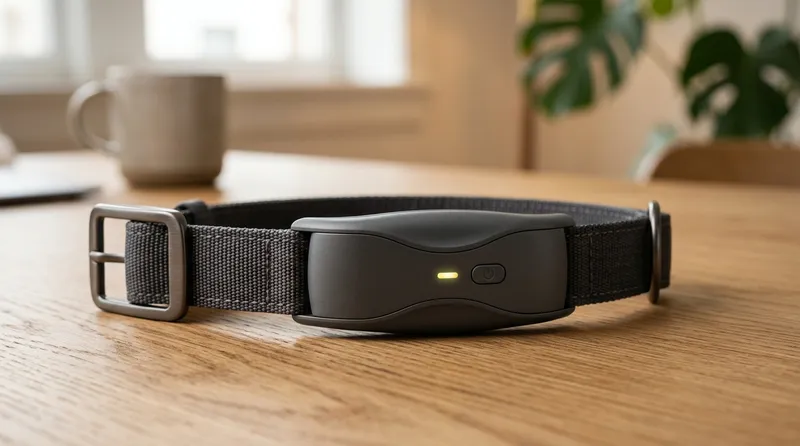
- Smart collars: Track activity, location, and sometimes vital signs like heart rate, syncing data to an app that flags unusual patterns.
- AI training cameras: Indoor cameras with two-way audio and treat dispensers that can be triggered remotely or automatically based on detected behavior.
- Bark analysis apps: Use a phone or standalone microphone to interpret bark patterns and offer insight into what might be triggering vocal behavior.
- Automated training feedback tools: Combine motion sensors with reward dispensers to reinforce specific behaviors even when you’re not in the room.
What These Gadgets Do Well
The biggest strength of AI-assisted training tools is consistency and data. Instead of relying purely on your memory of when your dog barked excessively or seemed restless, these tools log patterns over days and weeks, which can reveal trends a busy owner might otherwise miss — like a dog that’s consistently more anxious in the hour before you usually leave for work.
For owners juggling long work hours, remote-triggered treat dispensers and camera-based feedback can also help reinforce basic training even when you’re away from home, bridging some of the consistency gap that traditional training methods struggle with.

What They Can’t Replace
No app or gadget replaces the relationship-building and nuanced reading of body language that comes from hands-on training and time spent with your dog. AI tools are best used as a supplement to, not a substitute for, real interaction, positive reinforcement training, and professional guidance for more serious behavioral issues.
It’s also worth remembering that these are consumer electronics, not FDA-regulated medical devices. Any product that claims to diagnose a medical condition or replace veterinary care should be treated with healthy skepticism — legitimate health concerns still belong in the hands of a licensed veterinarian.

What to Look For Before Buying
| Feature | Why It Matters |
|---|---|
| Battery life | Longer battery means less charging disruption to tracking consistency |
| App usability | Complicated apps often go unused after the first week |
| Data privacy policy | Location and behavior data should be handled transparently |
| Comfort and fit | Collars and wearables need to be genuinely comfortable for daily wear |
| Realistic claims | Be cautious of any product claiming to “cure” behavior issues instantly |
Frequently Asked Questions
Are smart dog training gadgets worth the cost?
For many owners, especially those managing busy schedules, the consistency and insight these tools provide can genuinely help. Just keep expectations realistic — they’re a tool, not a magic fix.
Can bark translation apps be trusted completely?
They offer helpful pattern recognition, but should be treated as a general guide rather than a precise translation of your dog’s exact intent.
Do vets recommend these gadgets?
Many vets are open to activity-tracking tools as a way to monitor general wellness trends, though they’re not a substitute for professional diagnosis of health or behavior issues.
Is my dog’s data safe with these apps?
Always check a company’s privacy policy before connecting a device, especially ones tracking location or health-adjacent data.
The Bottom Line
AI-powered training gadgets in 2025 offer genuinely useful insight into your dog’s daily patterns and can support consistent training when used thoughtfully. They work best as a complement to hands-on training, patience, and professional guidance, not a replacement for any of it.

If any tracked pattern points to something that seems more medical than behavioral — changes in appetite, energy, or mobility, for example — don’t rely on an app alone. Run the symptoms through our Pet Symptom Checker and follow up with your veterinarian.
Source: U.S. Food and Drug Administration, Center for Veterinary Medicine

**Sidnir Vieira**
Founder of TechHavela
A passionate pet and tech content creator, helping dog owners across the U.S. make smarter decisions for their furry friends.
