How Barn Cats Earn Their Keep — and Their Family’s Heart
Barn cats have a job most house cats never get: pest control, dawn to dusk, in exchange for shelter, food, and a place to belong.
What starts as a practical arrangement between a farm and a semi-feral cat colony often turns into something closer to family, as barn cats gradually warm up to the people who feed them and start showing up for more than just the food bowl.
What Barn Cats Actually Do All Day
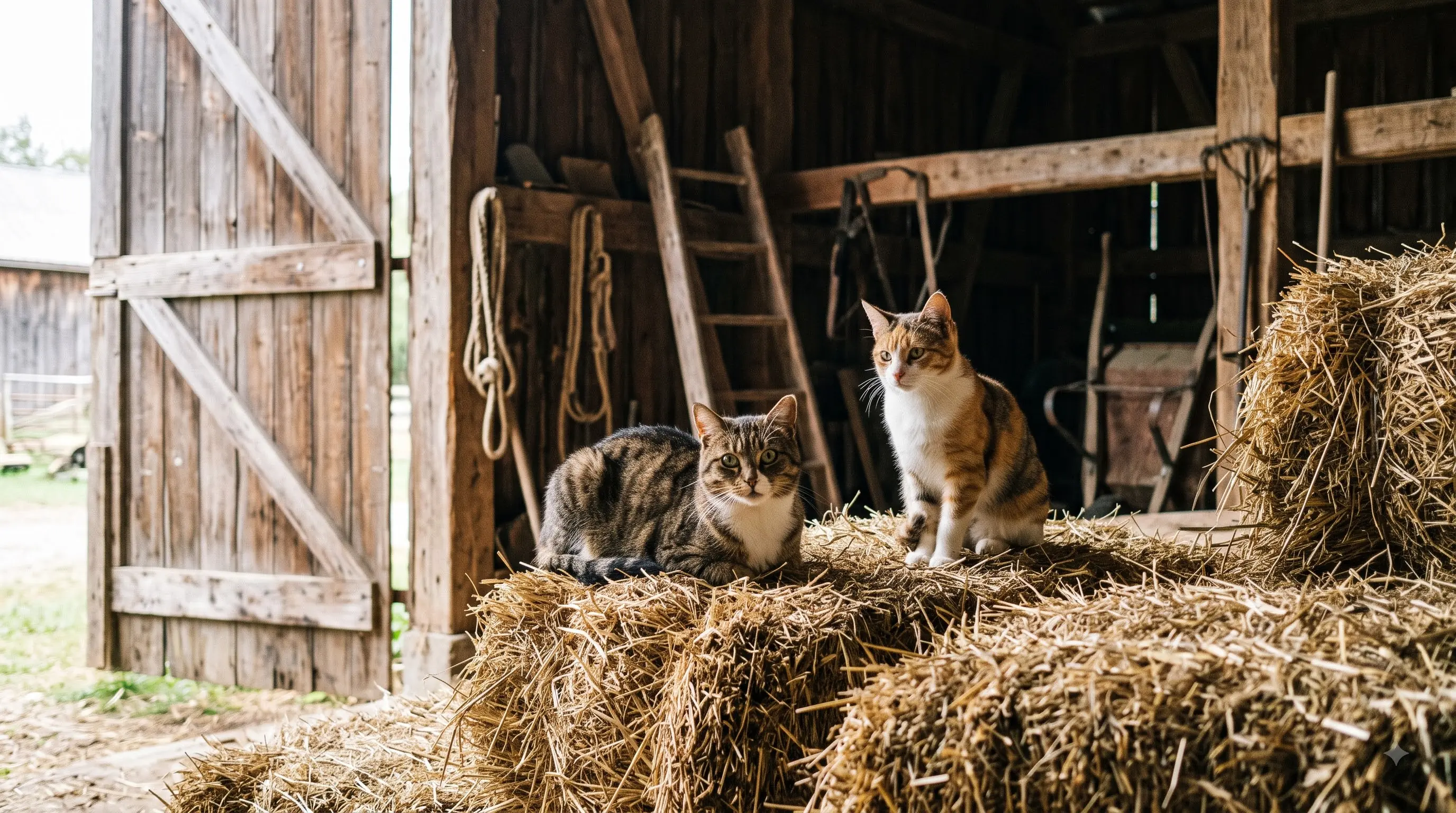
Rodent control is the headline job, and barn cats are remarkably good at it — a single cat can deter far more rodents through scent and presence alone than it ever catches directly.
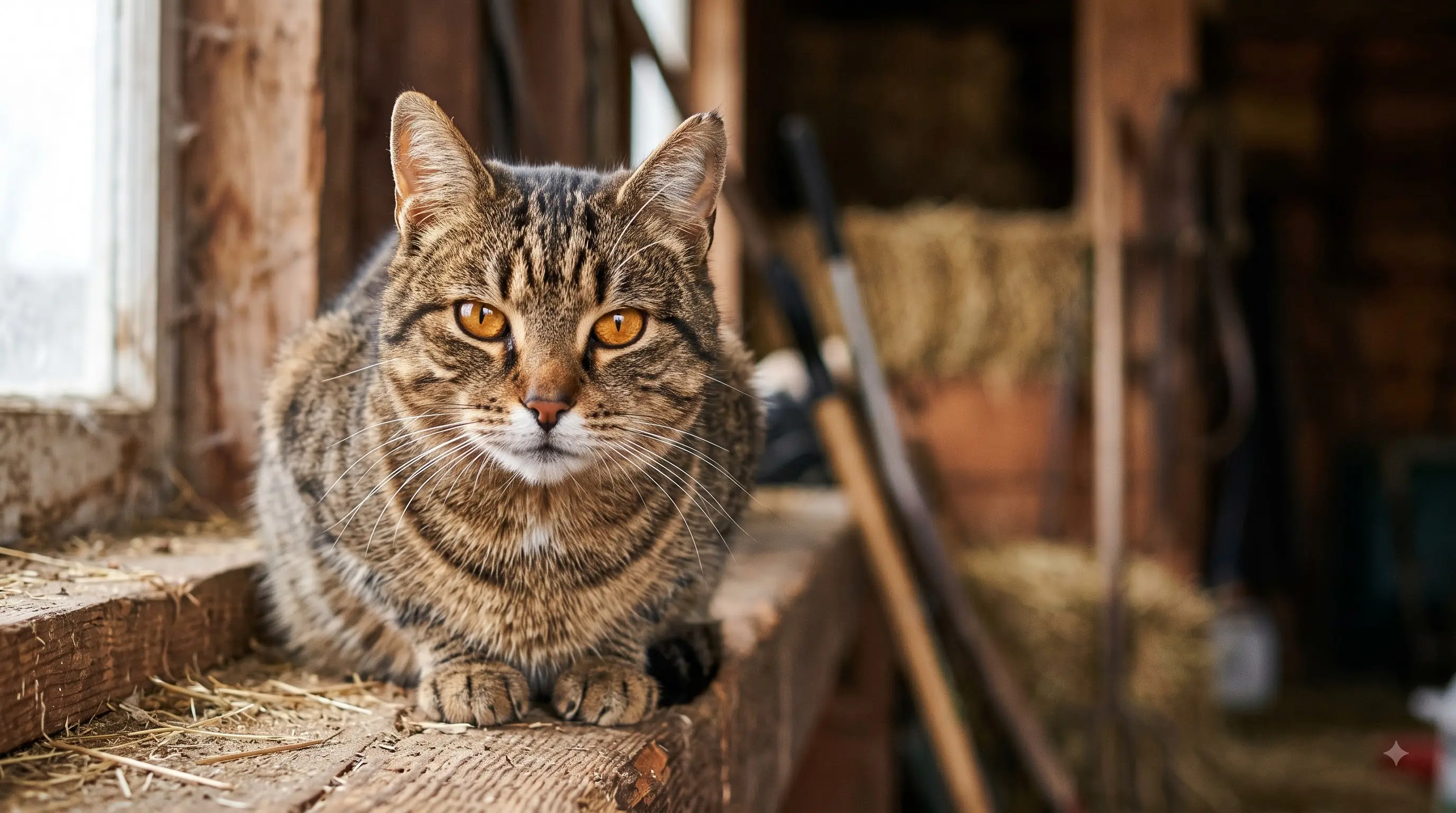
Beyond hunting, barn cats spend a lot of time patrolling territory, sunning themselves in doorways, and keeping a wary eye on farm activity.
It’s a self-directed job with no real supervision, which suits most barn cats perfectly, since many started out too independent or too wary of people for a typical indoor home.
Why Barn Cat Programs Exist
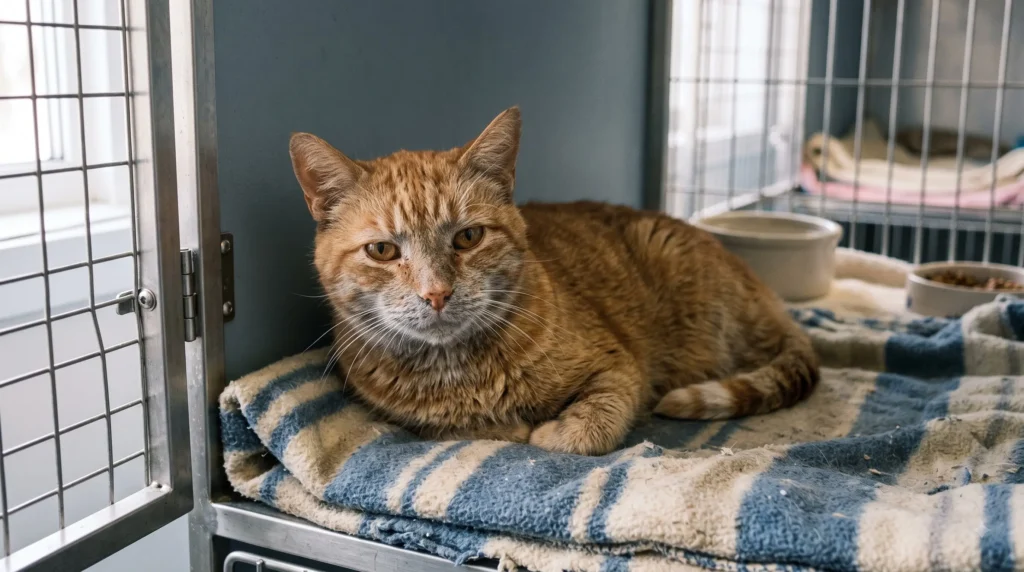
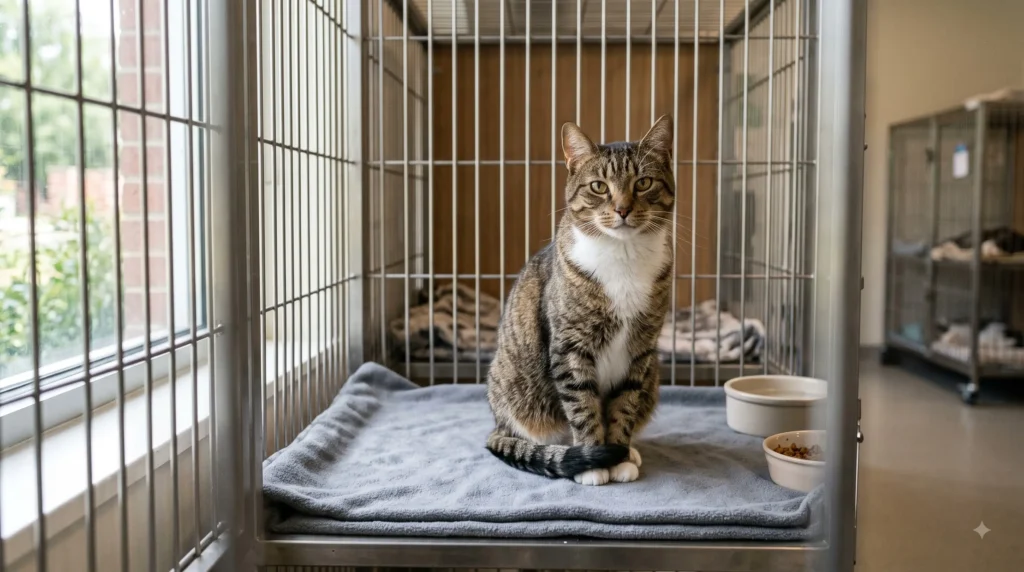
Many shelters run dedicated barn cat programs specifically for cats who are feral, semi-feral, or otherwise unlikely to adjust to indoor life — cats who would otherwise be extremely difficult to place.
Organizations like Alley Cat Allies have championed working cat programs as a humane alternative to euthanasia or endless shelter stays, relocating these cats to farms, stables, and rural properties where they can live outdoors on their own terms while still providing genuine value.
It’s one of the more practical, win-win solutions in animal welfare: the cats get a purpose and a safe territory, and the property gets natural pest control.
How the Relationship Slowly Changes
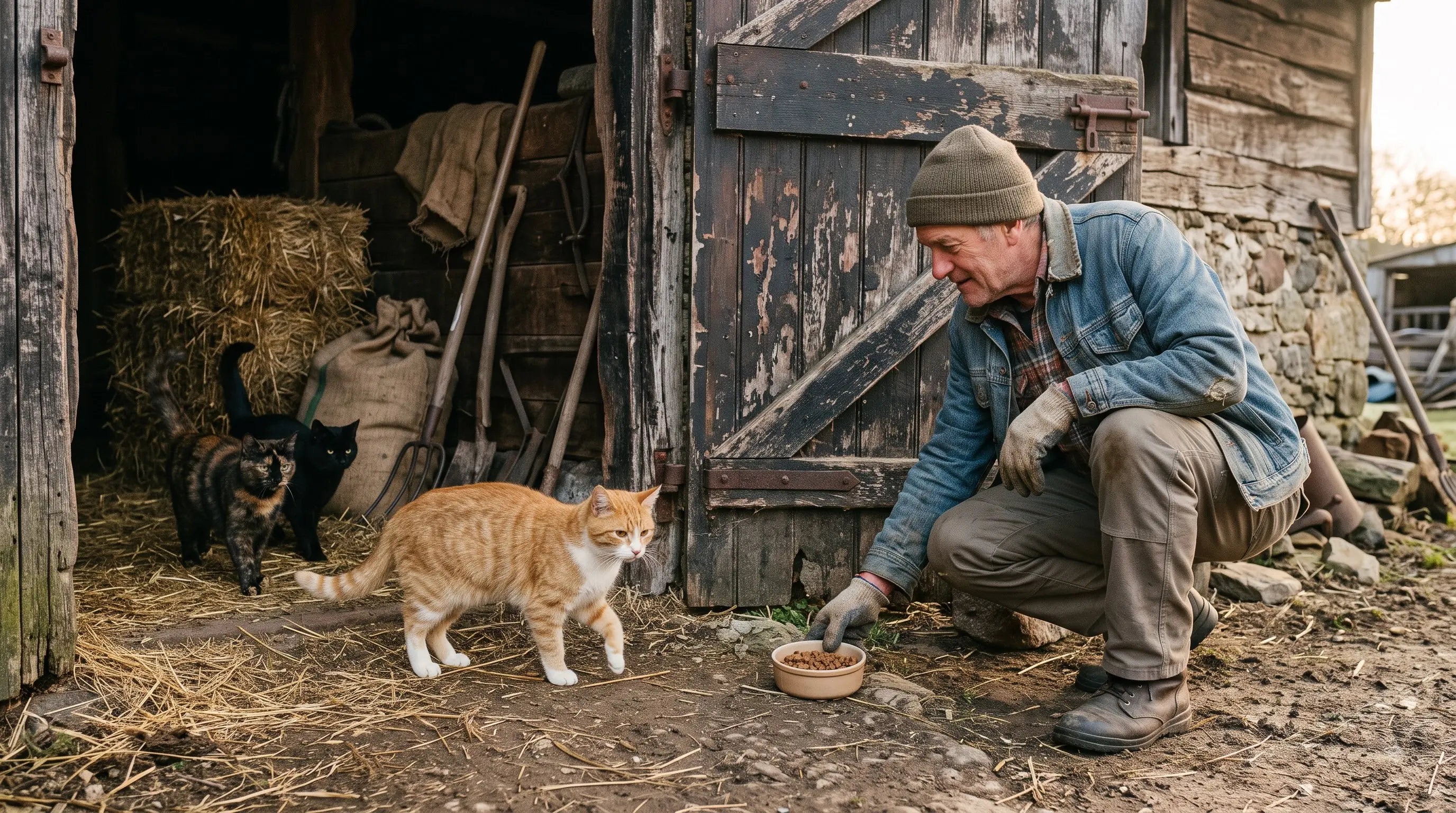
Most barn cats start out keeping their distance, watching from a safe range while a farmer sets out food. Over weeks and months, that distance often shrinks.
Cats begin appearing at the same time every day, waiting near the door, or eventually allowing a hand to get close. Some barn cats never become fully social, and that’s fine — their job doesn’t require it.
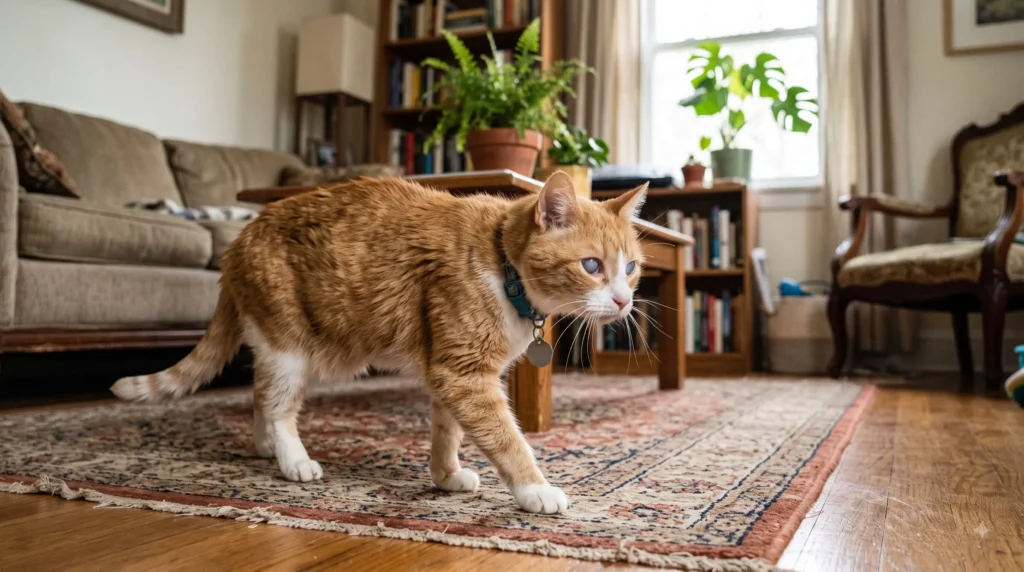
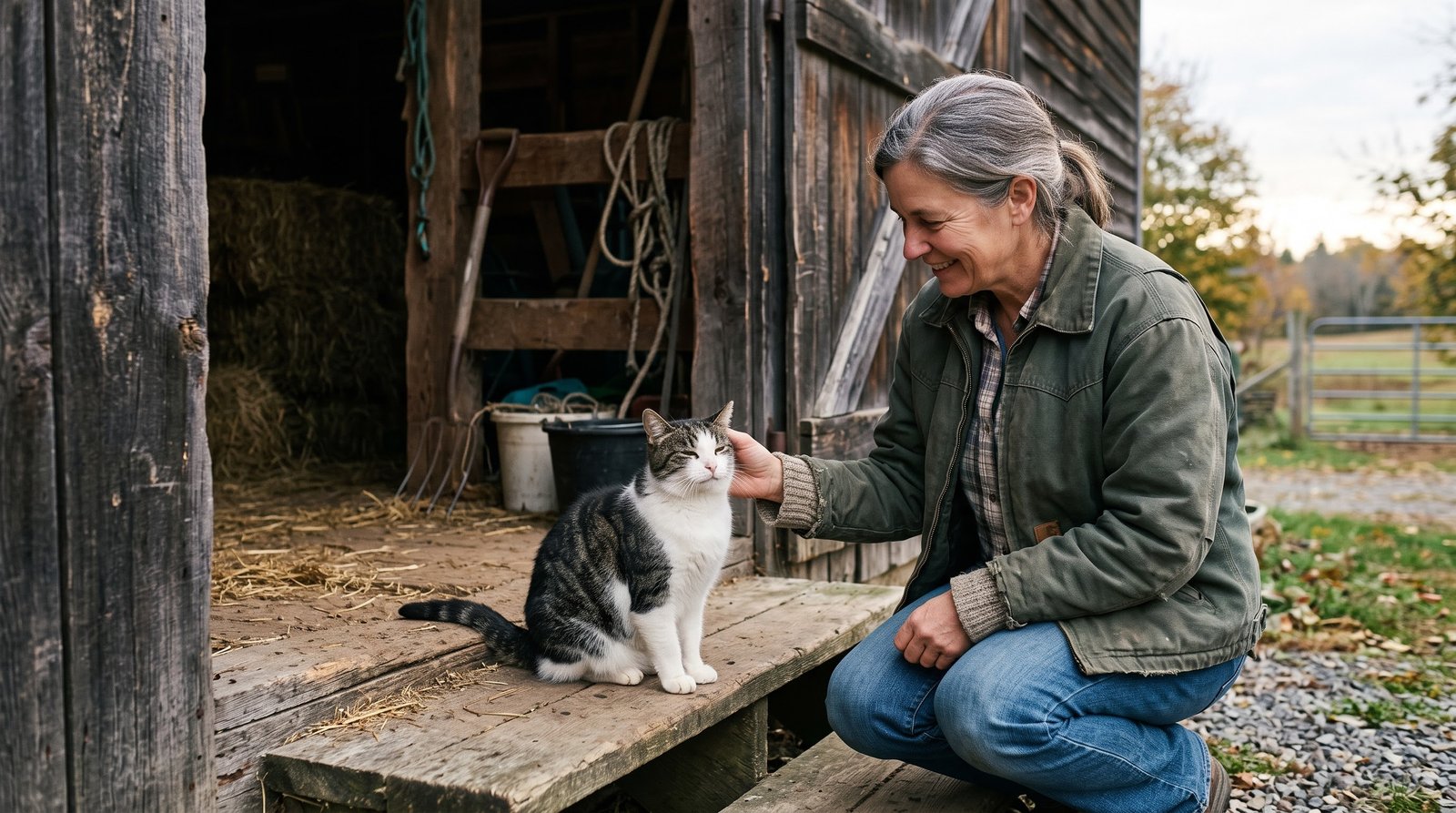
Others surprise their families entirely, becoming regular visitors on porches or even choosing to sleep in a barn office or tack room instead of the open barn.
Caring for Barn Cats Responsibly
Even semi-feral barn cats need real care to stay healthy and effective at their job. That includes spaying or neutering to prevent uncontrolled colony growth, basic vaccinations, and a dry, sheltered place to escape extreme weather.
Reliable food and fresh water matter too — a well-fed barn cat is actually a better, more consistent hunter than a starving one, since a healthy cat maintains its territory more effectively.
If a barn cat’s diet changes, transitioning gradually over 7 to 10 days, as recommended by the FDA’s Center for Veterinary Medicine, helps avoid digestive upset even in a working cat’s less controlled environment.
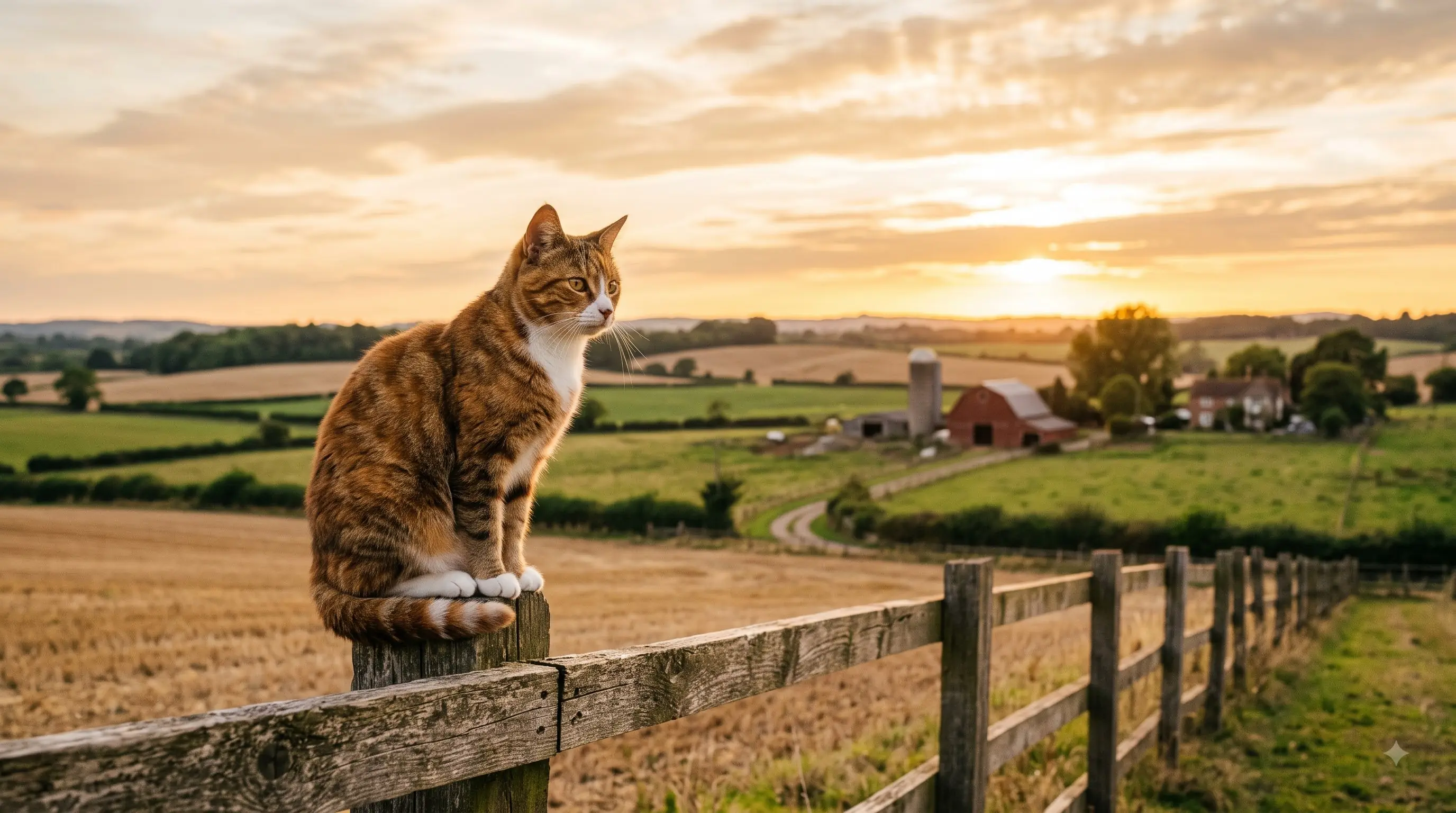
Real Impact of a Barn Cat Program
- Gives feral and semi-feral cats a real alternative to long-term shelter stays or euthanasia
- Provides genuinely effective, chemical-free rodent control for farms and rural properties
- Often evolves into real companionship between the cats and the families who feed them
- Supports population control through required spay/neuter before placement
Frequently Asked Questions
Do barn cats need to be tamed before placement?
No. Most barn cat programs specifically place feral or semi-feral cats who aren’t suited to indoor life, so taming isn’t a requirement — basic health care and a safe environment are what matter.
How many barn cats does a typical property need?
It depends on the size of the property and the rodent population, but most programs place cats in pairs or small colonies rather than single cats, since barn cats tend to do better with feline company.
Do barn cats eventually become fully affectionate pets?
Some do, especially with consistent, patient interaction over time, but many remain independent and simply tolerate close contact rather than seeking it out — both outcomes are considered successful placements.
What do barn cats eat besides what they hunt?
Most programs recommend supplementing hunting with regular feedings of quality cat food, since relying on prey alone doesn’t provide consistent nutrition.
Give a Barn Cat a Job and a Home
Barn cats offer a rare kind of adoption story: one built on mutual benefit that often deepens into real affection over time.
If you’re caring for a barn cat or any newly placed cat, the Pet Symptom Checker is useful for spotting health concerns early.
And if you’re considering cat adoption more broadly, our guide on common mistakes to avoid when adopting a new cat covers the basics every new owner should know.
Source: U.S. Food and Drug Administration, Center for Veterinary Medicine — guidance on transitioning pets to a new diet.

Sidnir Vieira is the founder of TechHavela. A lifelong pet owner who had a dog for many years and now lives with a cat, he writes educational guides that help owners understand symptoms and know when to call the vet. TechHavela’s articles are based on veterinary sources and are not reviewed by a veterinarian.