Stop Doing This! 6 Common Mistakes That Are Stressing Out Your Cat
Cats have a reputation for being low-maintenance, but that reputation hides just how sensitive they actually are to their environment. Many well-meaning owners unknowingly make mistakes that stress out cats every single day, simply because these habits don’t seem like a big deal from a human perspective. Cats, however, experience the world very differently.
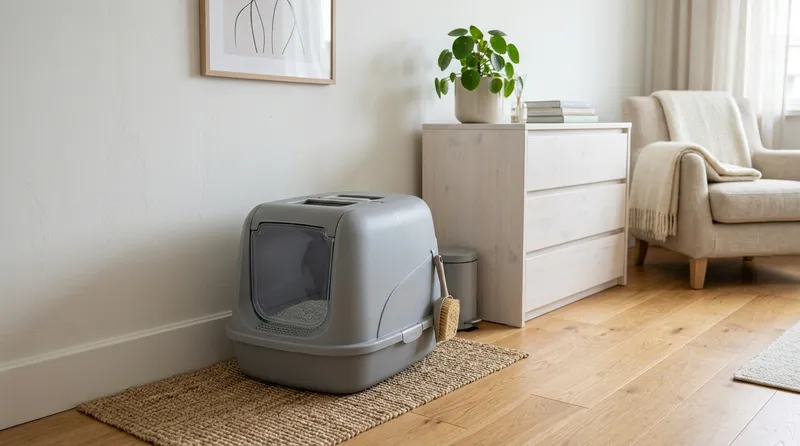
Mistake #1: Not Enough Litter Boxes
The general guideline among veterinary behaviorists is one litter box per cat, plus one extra. Too few litter boxes, or boxes placed in inconvenient or high-traffic locations, are among the most common and most overlooked sources of chronic stress in multi-cat households.
Mistake #2: Sudden Furniture or Layout Changes
Cats rely heavily on a predictable environment to feel secure. Rearranging furniture, moving the litter box without warning, or making major household changes all at once can genuinely unsettle a cat, especially one that’s naturally more anxious or territorial.
Mistake #3: Punishing Unwanted Behavior
Yelling, spraying water, or other punishment-based responses to unwanted behavior like scratching furniture or knocking things over tend to backfire with cats. Rather than correcting the behavior, punishment often just teaches a cat to associate you, or the room itself, with fear and stress — without actually addressing why the behavior happened in the first place.
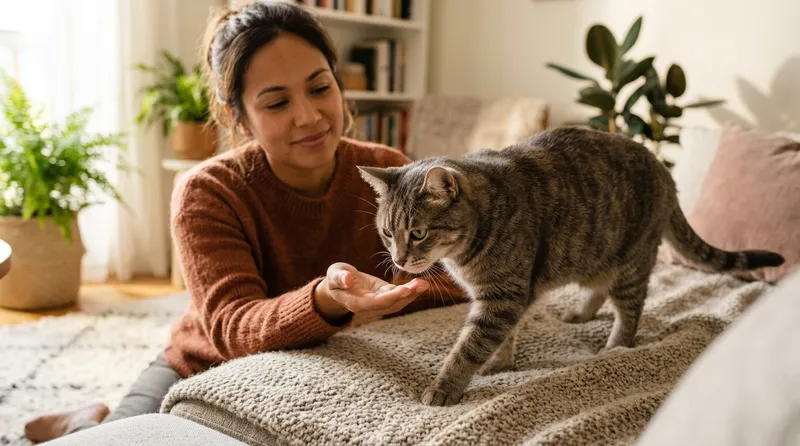
Mistake #4: Forced Affection
Picking up a cat that doesn’t want to be held, forcing prolonged petting, or not respecting a cat’s body language cues (like a twitching tail or flattened ears) can create ongoing tension in the relationship. Cats generally prefer affection on their own terms, and forcing it repeatedly can make a cat more withdrawn or defensive over time.
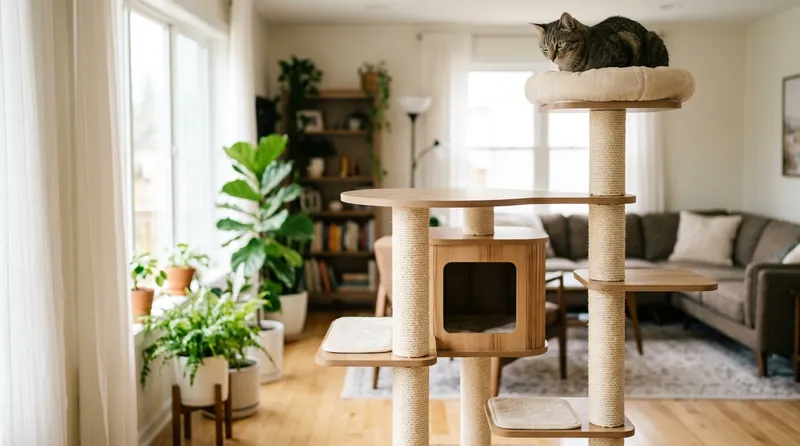
Mistake #5: Not Providing Enough Vertical Space or Hiding Spots
In the wild, cats use height and hidden spaces to feel safe from threats. Indoor cats without access to cat trees, shelves, or a quiet hiding spot can feel more exposed and vulnerable, especially in busy households with kids, guests, or other pets.
Mistake #6: Inconsistent Feeding Schedules
Cats often thrive on routine, and wildly inconsistent feeding times can contribute to anxiety, especially in cats already prone to food-related stress. This doesn’t mean feeding times need to be rigid to the minute, but a general daily rhythm helps many cats feel more secure.
Signs Your Cat May Be Chronically Stressed
| Sign | What It May Indicate |
|---|---|
| Over-grooming or bald patches | Stress-related compulsive grooming |
| Litter box avoidance | Stress, or a medical issue that needs ruling out |
| Increased hiding | Feeling unsafe or overwhelmed in the environment |
| Sudden aggression | Fear-based response or underlying pain |
| Appetite changes | Stress, or a medical issue requiring a vet visit |
How to Reduce Stress for Your Cat
- Keep routines predictable for feeding, litter box maintenance, and play.
- Introduce changes gradually rather than all at once, giving your cat time to adjust.
- Respect body language. Let your cat initiate physical affection when possible.
- Provide vertical and hidden spaces so your cat has choices about where to retreat.
- Talk to your vet about persistent stress. For cats with significant, ongoing anxiety, a veterinarian may recommend environmental strategies or, in some cases, an FDA-approved medication designed specifically for feline anxiety, used only under professional guidance.
Frequently Asked Questions
Can stress make a cat physically sick?
Yes. Chronic stress in cats has been linked to conditions like feline idiopathic cystitis, a painful bladder condition that can flare up during periods of significant stress.
How long does it take a cat to adjust to a big change?
It varies widely by cat, but giving a few weeks of consistency and patience after a major change (a move, a new pet, a new baby) is generally realistic.
Is it normal for a cat to hide more during stressful periods?
Yes, increased hiding is a common, expected coping mechanism. What matters more is whether your cat eventually re-engages once the stressor passes.
Should I get a second cat to keep my stressed cat company?
Not necessarily. For some cats, another cat adds stress rather than relieving it, especially if the original cat isn’t naturally social. This decision depends heavily on individual personality.
The Bottom Line
Most mistakes that stress out cats come from a good place — owners simply not realizing how differently cats experience their environment compared to humans. Small adjustments to routine, respect for body language, and a more predictable home environment can make a real difference in a stressed cat’s quality of life.
If stress signs are showing up alongside physical symptoms like litter box avoidance or appetite changes, don’t guess — run them through our Pet Symptom Checker and follow up with your veterinarian.
Source: U.S. Food and Drug Administration, Center for Veterinary Medicine

**Sidnir Vieira**
Founder of TechHavela
A passionate pet and tech content creator, helping dog owners across the U.S. make smarter decisions for their furry friends.