Stop Doing This! 5 Common Mistakes Shortening Your Dog’s Life
Every dog owner wants their best friend around as long as possible, but some of the most damaging habits aren’t dramatic or obvious — they’re small, everyday choices that quietly add up over years.
Understanding the most common mistakes that shorten dog lifespan is one of the simplest ways to give your dog a real shot at a longer, healthier life.
None of these mistakes require blame or guilt. Most loving owners make at least one of them without realizing it. The good news is that each one is fixable, often starting today.
Mistake #1: Letting Your Dog Become Overweight
Extra weight is one of the single biggest, most preventable threats to a dog’s lifespan. Carrying excess weight puts added strain on joints, the heart, and internal organs, and has been linked in veterinary research to a measurably shorter life expectancy compared to dogs kept at a healthy weight.
Because weight gain happens gradually, many owners don’t notice it creeping up until a vet points it out.
The fix: Use body condition scoring, not just the number on a scale, to judge your dog’s weight — you should be able to feel (though not necessarily see) their ribs with light pressure. Measure food portions instead of eyeballing them, and go easy on high-calorie treats.

Mistake #2: Skipping Regular Dental Care
Dental disease is extremely common in dogs, and it’s not just a cosmetic issue. Untreated periodontal disease allows bacteria to enter the bloodstream, which can affect the heart, kidneys, and liver over time.
Many owners underestimate how much dental health influences overall lifespan simply because the mouth is easy to ignore day to day.
The fix: Regular tooth brushing, vet-recommended dental chews, and annual dental checkups can go a long way toward preventing more serious systemic issues later on.
Mistake #3: Delaying Vet Visits Until Something Looks Wrong
Waiting for obvious symptoms before seeing a vet means many conditions are caught later than they could have been. Dogs are experts at masking discomfort, an instinct left over from their wild ancestors, so by the time a problem is visible, it may already be more advanced.
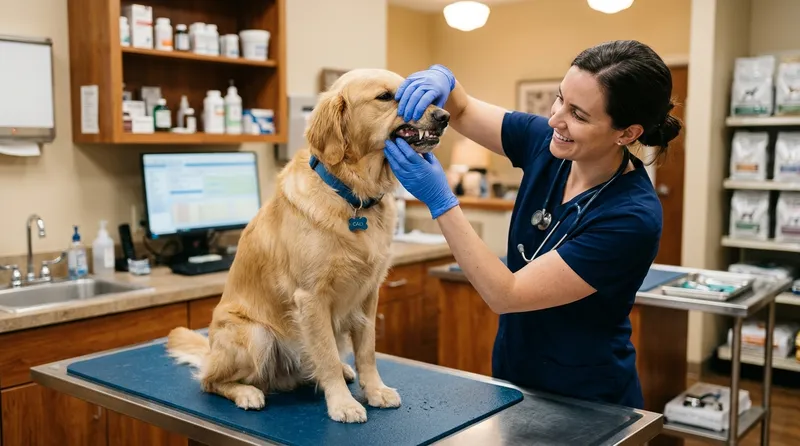
The fix: Stick to routine wellness exams, even when your dog seems perfectly healthy. Annual checkups (or twice yearly for senior dogs) give vets the chance to catch subtle changes in bloodwork, weight, or organ function early.
Mistake #4: Inconsistent or Low-Quality Nutrition
Constantly switching food brands, feeding excessive table scraps, or relying on low-quality diets can all contribute to nutritional imbalances over time. While dogs can tolerate some dietary variety, a lack of consistent, complete nutrition makes it harder for their bodies to function optimally over a long life.
The fix: Choose a diet formulated to meet established nutritional standards for your dog’s life stage, and consult your vet before making major diet changes, especially for senior dogs with changing nutritional needs.
Mistake #5: Not Enough Physical and Mental Exercise
A sedentary lifestyle contributes to obesity, but it also affects cardiovascular health, joint mobility, and mental wellbeing on its own. Dogs that are under-stimulated both physically and mentally are more prone to stress-related behaviors and, over time, general decline.
The fix: Daily walks matched to your dog’s breed, age, and health status, plus mental enrichment like puzzle toys or training games, support both body and mind well into a dog’s senior years.

Quick Reference: Mistake vs. Fix
| Mistake | Simple Fix |
|---|---|
| Letting weight creep up | Measure portions, use body condition scoring |
| Skipping dental care | Brush teeth, schedule dental checkups |
| Waiting for symptoms to see the vet | Routine wellness exams, even when healthy |
| Inconsistent nutrition | Stick to a complete, life-stage-appropriate diet |
| Not enough activity | Daily walks plus mental enrichment |
Why Senior Dogs Deserve Extra Attention
As dogs enter their senior years, the impact of these habits compounds. This is often when pet owners start looking more closely at pet insurance or wellness plans, since senior dogs statistically require more frequent veterinary care, diagnostics, and sometimes ongoing medication — all of which can add up quickly without a financial plan in place.
Frequently Asked Questions
What’s the single biggest factor in dog lifespan?
Maintaining a healthy weight is consistently one of the most impactful, controllable factors, alongside preventive veterinary care.
Does breed affect how much these mistakes matter?
Yes, some breeds are more prone to certain conditions, like joint issues or dental disease, making prevention even more important for those dogs specifically.
Can I reverse damage from years of these habits?
In many cases, yes, at least partially. Weight loss, improved dental care, and better nutrition can meaningfully improve a dog’s health outlook even later in life.
How often should senior dogs see the vet?
Many vets recommend twice-yearly checkups for senior dogs, compared to once a year for younger, healthy adults.
The Bottom Line
Small, consistent choices — not dramatic interventions — tend to make the biggest difference in a dog’s lifespan. Fixing even one or two of these common mistakes can meaningfully improve your dog’s long-term health and quality of life.

If you’re ever unsure whether a symptom you’re noticing is just part of aging or something that needs veterinary attention, use our Pet Symptom Checker to help decide your next step.
Source: U.S. Food and Drug Administration, Center for Veterinary Medicine

**Sidnir Vieira**
Founder of TechHavela
A passionate pet and tech content creator, helping dog owners across the U.S. make smarter decisions for their furry friends.