Why Your Cat Chirps at Birds Through the Window (The Science Explained)
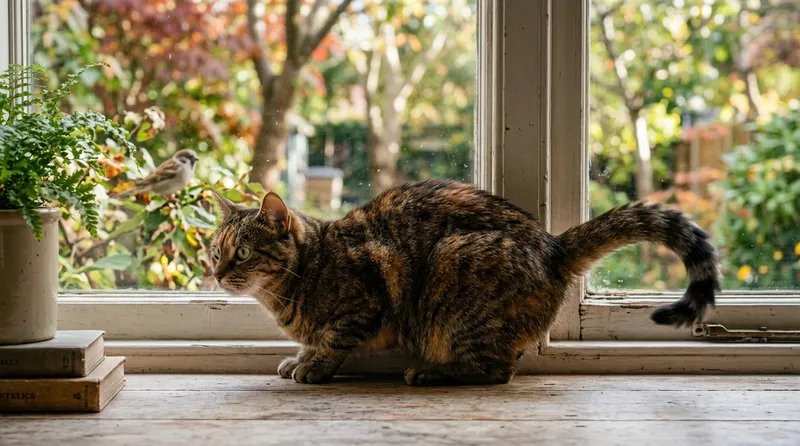
Your cat is perched on the windowsill, tail twitching, eyes locked on a bird hopping around the yard — and then it happens: that strange, rapid chattering, chirping sound that doesn’t sound like a meow at all. If you’ve ever caught your cat doing this and wondered what on earth is going on, you’re not alone.
This quirky behavior, sometimes called “chattering” or “chirping,” has fascinated cat owners and animal behaviorists alike.
So why do cats chirp at birds? The short answer involves instinct, frustration, and a little bit of ancient predator wiring that never really left your cozy indoor companion — and it turns out this odd little sound has more going on behind it than most owners realize.
What Exactly Is Cat Chirping?
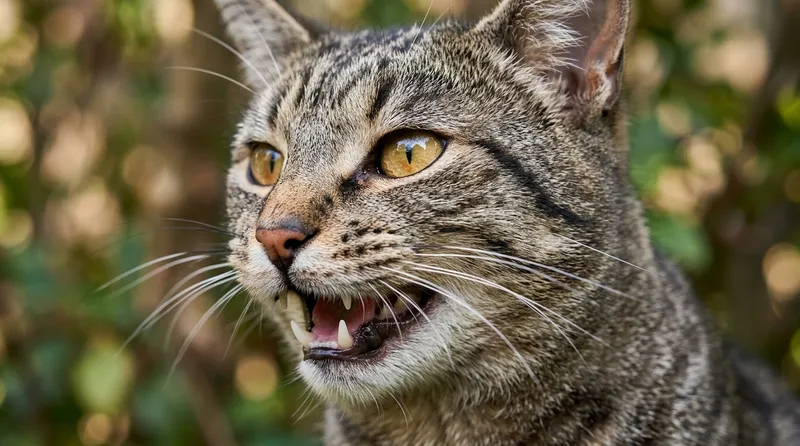
Chirping, or chattering, is a distinct vocalization that’s different from a meow, purr, or hiss. It usually involves your cat’s jaw moving rapidly while making a chattering or clicking sound, often paired with intense focus on a bird, squirrel, or insect just out of reach.
Some cats add a chirpy, almost bird-like chirrup on top of the jaw movement, which is where the behavior gets its name.
It’s most commonly seen in cats watching prey through a window or screen door — something they can see and hear but can’t physically reach.
The Leading Theories Behind the Chirp
Animal behaviorists have proposed a few different explanations for why do cats chirp at birds, and most agree it likely comes down to a combination of instinct and frustration:
- The predatory instinct theory: Some researchers believe the chattering mimics the killing bite cats use on prey, essentially a practice run of the jaw motion involved in a real catch, triggered by the sight of potential prey.
- The frustration theory: Because the cat can see the bird but can’t act on its hunting instinct, the chirping may be an outlet for that pent-up predatory energy — a kind of involuntary reaction to watching prey it can’t chase.
- The mimicry theory: A less common but interesting idea is that some cats may be imitating the calls of the birds or small animals they’re watching, possibly as a way to appear less threatening and lure prey closer in the wild.
Most experts lean toward a blend of the predatory and frustration theories, since the behavior appears almost exclusively when a cat is watching something it wants to hunt but can’t.
Do Wild Cats Chatter Too?
Chattering isn’t unique to house cats. Observers have documented similar jaw-clicking behavior in some wild felines, including bobcats, when they spot prey they can’t immediately reach.
This cross-species pattern adds weight to the predatory instinct theory, suggesting the behavior is likely an ancient, deeply wired response rather than something domestic cats invented.
It’s a small reminder that even the most pampered indoor cat is carrying around the same hunting hardware as its wild relatives.
Is Chirping a Sign of Excitement or Stress?
For the vast majority of cats, chirping at birds is a totally normal, harmless behavior tied to their natural hunting drive.
It’s not a sign of pain, fear, or distress on its own. In fact, many owners describe their cats as looking almost gleeful or intensely focused while doing it, tail flicking and ears forward, rather than showing signs of anxiety.
That said, context matters. If chirping is paired with other stress signals — like flattened ears, a puffed tail, hiding, or reduced appetite — it’s worth paying closer attention to your cat’s overall wellbeing rather than assuming the chirping itself is the concern.
Why Indoor Cats Chirp More Than Outdoor Cats
Interestingly, chirping and chattering tend to be more common in indoor cats. Outdoor cats or those with regular access to prey get to complete the full hunting sequence — stalk, chase, catch — which may reduce the buildup of frustrated predatory energy.
Indoor cats, on the other hand, are often stuck at the “watch” stage, staring at birds through glass with no way to follow through, which may make the chattering response more frequent and pronounced.
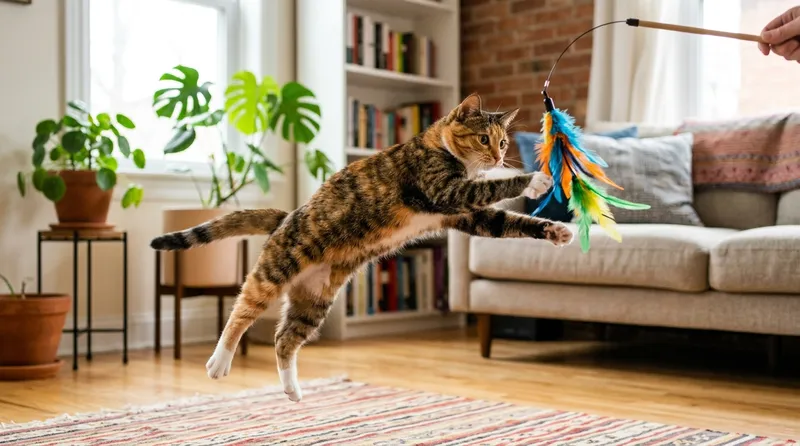
This is one of the reasons enrichment matters so much for indoor cats. Giving your cat safe, supervised outlets for their hunting instinct — like interactive wand toys, puzzle feeders, or a secure outdoor “catio” — can help satisfy some of that drive in a healthy way.
Rotating toys every few days, scheduling short daily play sessions that mimic a real hunt (stalk, chase, “catch” a wand toy), and setting up a bird feeder just outside a favorite window can all give your cat a more complete outlet for the same instincts driving the chirp.
When to Pay Extra Attention
While chirping itself isn’t a medical concern, sudden changes in vocal behavior sometimes are.
If a cat that used to chirp regularly suddenly stops, or if chattering is accompanied by drooling, pawing at the mouth, or apparent difficulty eating, it’s worth having a veterinarian check your cat’s teeth and jaw, since dental pain can change how cats use their mouths.
Any medication or dental product used for a cat should always be one specifically approved for feline use, since human and even some dog products can be unsafe for cats.
Frequently Asked Questions
Do all cats chirp at birds?
No. Some cats chirp frequently, others rarely or never. It doesn’t reflect a health issue either way — it’s simply individual variation in behavior.
Can kittens chirp too?
Yes, kittens often start displaying chirping and chattering behavior as their hunting instincts develop, sometimes even while play-hunting toys indoors.
Should I discourage my cat from chirping at birds?
There’s no need to. It’s a natural behavior. If it seems to cause your cat frustration, consider adding more interactive play and enrichment to your routine instead.
Is chirping the same as a cat’s regular meow?
No, chirping is a distinct sound and jaw movement pattern that only appears in specific hunting-related contexts, unlike the more general-purpose meow.
Does chirping mean my cat wants to go outside?
It can reflect a general desire to reach the bird or prey it’s watching, but it’s not necessarily a request to go outdoors. Redirecting that energy into indoor play is usually a safer response than letting a cat outside unsupervised.
The Bottom Line
That funny chattering sound your cat makes at the window is one of the clearest windows into their wild, instinctual side — a blend of excitement, frustration, and ancient hunting behavior wrapped into a few seconds of jaw-clicking drama. It’s almost always completely normal and even a sign your cat is engaged and stimulated by the world outside.
If you ever notice a sudden change in your cat’s vocal behavior, appetite, or overall energy alongside the chirping, don’t guess — run the symptoms through our Pet Symptom Checker to get a clearer picture of whether it’s time to call the vet.
Source: U.S. Food and Drug Administration, Center for Veterinary Medicine

**Sidnir Vieira**
Founder of TechHavela
A passionate pet and tech content creator, helping dog owners across the U.S. make smarter decisions for their furry friends.