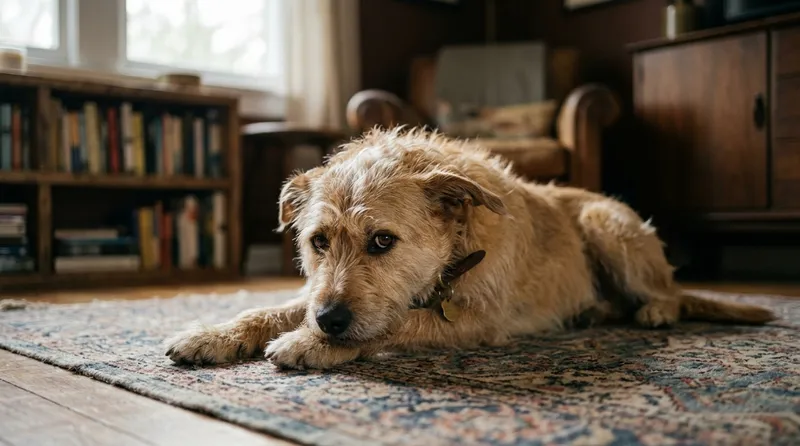
Why Is My Dog Tilting His Head? 7 Possible Reasons
Why is my dog tilting his head to one side when I talk to him? This is a question many dog owners ask when they notice this adorable behavior.
That adorable head tilt is one of the behaviors dog owners notice most often. Sometimes, dogs tilt their heads when they are trying to understand a sound, pay closer attention to us, or respond to something that has caught their interest.
But a head tilt can mean different things depending on when it happens and whether your dog is showing other unusual symptoms.
In this article, we’ll explore why dogs tilt their heads, what this behavior may mean, what other signs you should watch for, and when a persistent or unusual head tilt may need veterinary attention.
If your dog is tilting his head and you’re also noticing other symptoms, you can explore them with our free Pet Symptom Checker.
Why Do Dogs Tilt Their Heads When You Talk?
When your dog tilts his head while you are talking, he may be trying to pay closer attention to what he hears and sees.
Dogs have highly sensitive hearing, and their movable outer ears help them detect where sounds are coming from. Changing the position of the head and ears may help a dog focus on an interesting sound and better determine its direction.
There may also be a visual reason for the behavior. A dog’s muzzle can partially interfere with its view of a person’s face. Tilting the head may give the dog a slightly different perspective, helping him see facial expressions and other visual cues while listening to you.
Researchers also believe that communication and attention may play a role. Dogs are remarkably responsive to human voices, facial expressions, body language, and familiar words. So when your dog tilts his head as you speak, he may simply be concentrating on the interaction.
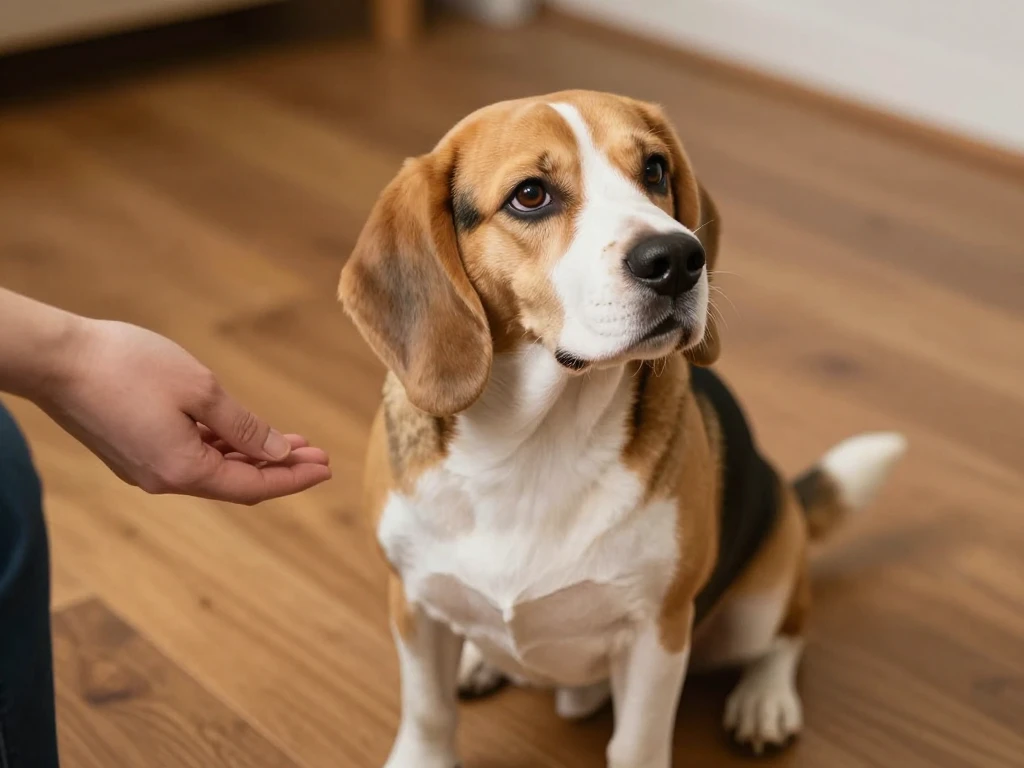
The Science Behind the Head Tilt
There is more going on behind that adorable head tilt than you might think.
Dogs are highly responsive to human communication. They pay attention not only to the sounds we make, but also to our tone of voice, facial expressions, body language, and familiar words.
Researchers studying canine cognition have found interesting connections between head tilting and the way some dogs process familiar words. In one study, dogs that had learned the names of specific objects were more likely to tilt their heads when they heard the name of a familiar object.
This suggests that, in some situations, a head tilt may be associated with focused attention or mental processing. Your dog may be concentrating on a sound or word that has meaning to him rather than simply reacting to the sound itself.
Does a Dog’s Face Shape Affect Head Tilting?
A dog’s physical features may also influence how the head tilt looks.
Dogs have different muzzle lengths and ear shapes depending on their breed and individual anatomy. A longer muzzle can partially interfere with the dog’s view of what is directly in front of its face, so changing the angle of the head may provide a different visual perspective.
Ear shape may also affect how dogs receive and locate sounds. The movable outer ear, known as the pinna, helps dogs collect sound and determine where it is coming from.
So while every dog is different, the head tilt may involve a combination of hearing, vision, attention, communication, and learned behavior.
Can Dogs Learn to Tilt Their Heads?
There may be another simple explanation for why some dogs seem to do it so often: we encourage them.
When a dog tilts his head and we immediately smile, laugh, praise him, pet him, or repeat the sound that caught his attention, the dog may learn that this behavior gets a positive response.
Over time, that positive feedback can make the behavior more likely to happen again.
So your dog’s head tilt may sometimes be a natural response to a sound, and sometimes it may be a behavior that has been reinforced by the people around him.
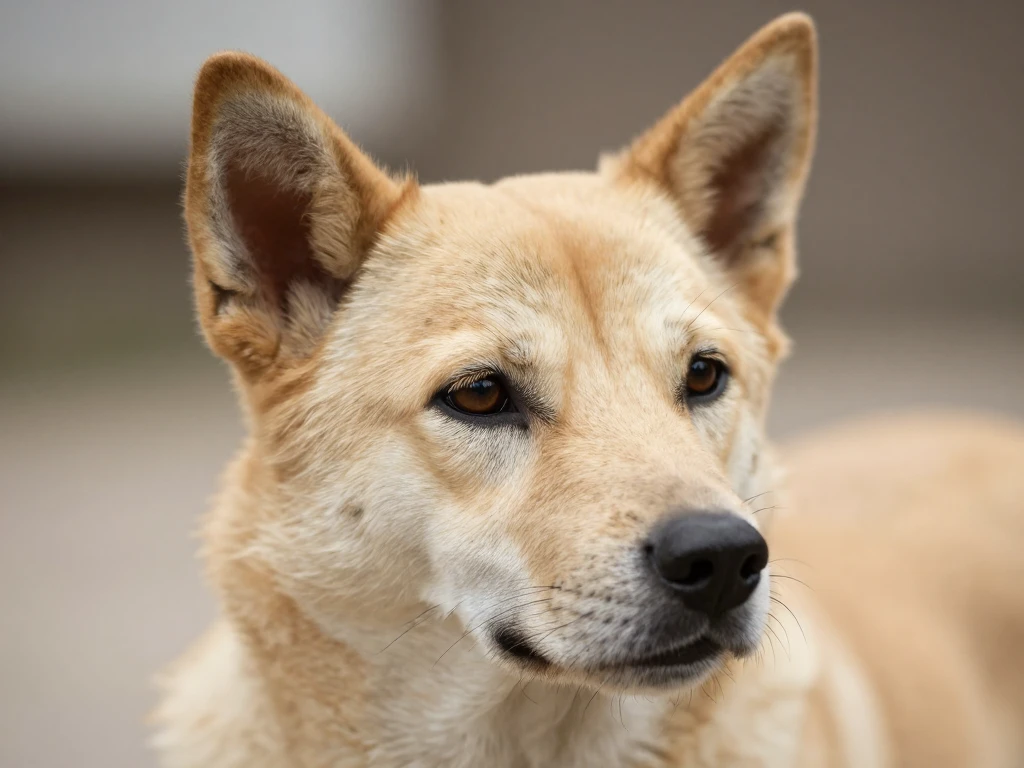
A dog’s ear shape and muzzle can block their view — tilting helps them see better too.
Why Is My Dog Tilting His Head? What It May Mean
In the vast majority of cases, yes.
A quick, responsive head tilt during conversation, play, or when your dog hears an interesting new sound is completely normal behavior.
It’s one of the many small signals dogs use to engage with the humans and world around them — not so different from the intense stare your dog gives you at dinner time, which, as we explored in why your dog stares at you (and it’s not just about food), is its own form of focused communication.
But there is a difference between a brief, situational tilt and a head tilt that sticks around, worsens, or appears alongside other symptoms. That distinction matters, because a persistent head tilt is one of the more common signs vets watch for when diagnosing certain ear and neurological conditions in dogs.
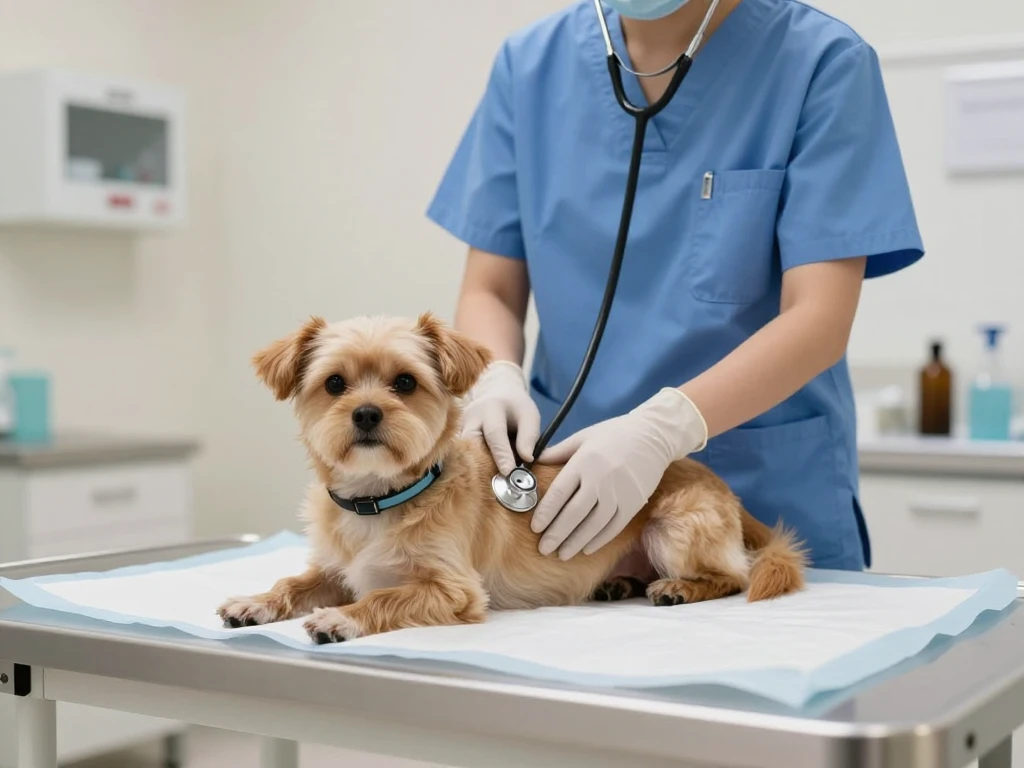
When a Head Tilt Could Mean Something Medical
A persistent head tilt is different from the brief head tilts many dogs make when they hear an interesting sound.
If your dog’s head remains tilted to one side, especially when the behavior appears suddenly or continues for an extended period, it may be associated with a problem affecting the ear or the vestibular system, which helps control balance and spatial orientation.
Ear problems are one possible cause. Infections or inflammation affecting the ear can cause discomfort and may sometimes be associated with changes in head position, hearing, or balance.
However, ear problems are not the only possible explanation. Conditions affecting the vestibular system or other parts of the nervous system can also cause a persistent head tilt.
That’s why the context matters.
A brief head tilt during a conversation is usually very different from a dog that suddenly develops a persistent tilt and also seems unsteady, disoriented, or uncomfortable.
If the head tilt is persistent, sudden, or accompanied by other unusual symptoms, it is best to have your dog evaluated by a veterinarian rather than trying to determine the cause at home.
Normal Head Tilt vs. A Head Tilt to Watch
| What You Notice | Often Normal | Worth Checking With a Vet |
|---|---|---|
| Duration | Lasts a few seconds and then stops | Continues or keeps returning unusually |
| Trigger | Happens when hearing your voice, a new sound, or a familiar word | Appears without an obvious trigger |
| Behavior | Your dog otherwise acts normally | Your dog seems uncomfortable, confused, or different from usual |
| Balance | Walking normally | Stumbling, falling, circling, or difficulty staying balanced |
| Eyes | Normal eye movements | Unusual or involuntary eye movements |
| Ears | No obvious signs of discomfort | Frequent scratching, head shaking, odor, discharge, or sensitivity around the ears |
What to Do If Your Dog’s Head Tilt Seems Unusual
If your dog’s head tilt seems different from his usual behavior, pay attention to what happens before, during, and after the tilt.
1. Notice when it happens
Does your dog tilt his head only when you talk to him or make a particular sound? Or does the head remain tilted even when there is no obvious trigger?
2. Watch for other changes
Pay attention to changes in walking, balance, eye movements, appetite, behavior, hearing, or signs of discomfort.
3. Observe the ears without trying to treat them
You can look for obvious changes such as redness, unusual odor, or discharge, but avoid putting anything into your dog’s ears unless a veterinarian has recommended it.
4. Don’t assume the cause
A persistent head tilt can have different possible causes. Trying to diagnose the problem yourself may delay appropriate veterinary care.
5. Consider using a symptom checker
If your dog is showing a head tilt together with other symptoms and you’re unsure how concerning the combination may be, our free Pet Symptom Checker can help you review possible causes and warning signs.
It is not a substitute for veterinary diagnosis, but it can help you organize what you’re observing and understand when professional veterinary attention may be appropriate.
Frequently Asked Questions
Do all dogs tilt their heads the same way?
No. Dogs can tilt their heads in different ways, and the behavior can vary between individual dogs. Ear shape, facial anatomy, the situation, and the dog’s individual response to sounds may all influence how noticeable the tilt appears.
Can puppies tilt their heads when they hear new sounds?
Yes. Puppies may tilt their heads when they encounter unfamiliar sounds or are paying close attention to something new. As with adult dogs, an occasional head tilt is generally different from a persistent tilt accompanied by other unusual signs.
Is a head tilt in senior dogs something to worry about?
A new or persistent head tilt in an older dog deserves attention, particularly if it occurs together with balance problems, disorientation, unusual eye movements, or other sudden changes in behavior.
Age alone does not tell you what is causing the head tilt, so a veterinarian should evaluate persistent or sudden changes.
Why does my dog tilt his head when I talk to him?
Your dog may be paying closer attention to your voice, trying to interpret a familiar word or sound, or responding to visual and auditory cues during the interaction.
Some dogs may also repeat behaviors that receive a positive reaction from their owners.
Why does my dog only tilt his head sometimes?
Occasional head tilting can happen when your dog hears an interesting sound, a familiar word, or something unexpected.
The important distinction is whether the behavior is brief and situational or whether the head remains tilted or the behavior appears together with other unusual symptoms.
Should I be worried if my dog tilts his head?
An occasional head tilt by itself is often not a reason for alarm. However, a sudden or persistent head tilt, especially when accompanied by balance problems, unusual eye movements, ear discomfort, vomiting, or changes in behavior, should be discussed with a veterinarian.
The Bottom Line
So, why is my dog tilting his head?
Sometimes, the answer is simple: your dog may be paying close attention to a sound, your voice, a familiar word, or something interesting happening around him.
A brief head tilt that happens during conversation or in response to a new sound can be a normal part of canine behavior.
But a persistent or sudden head tilt is different.
If your dog keeps his head tilted or develops other signs such as balance problems, unusual eye movements, ear discomfort, vomiting, or changes in behavior, veterinary attention may be needed.
The most important thing is to look at the **whole picture**, rather than focusing on the head tilt alone.
If you’re seeing a head tilt along with other symptoms and aren’t sure what they might mean, try our free Pet Symptom Checker to explore the symptoms you’re noticing and learn what warning signs to watch for.

If your dog’s head tilt has you second-guessing whether it’s cute or concerning, don’t wait and wonder. Run the symptoms through our Pet Symptom Checker to get clarity on next steps, and always loop in your veterinarian for anything that seems out of the ordinary.
Source: VCA Animal Hospitals — Why Dogs Tilt Their Heads
This content is educational and does not replace the advice of a veterinarian.

Sidnir Vieira is the founder of TechHavela. A lifelong pet owner who had a dog for many years and now lives with a cat, he writes educational guides that help owners understand symptoms and know when to call the vet. TechHavela’s articles are based on veterinary sources and are not reviewed by a veterinarian.