Why Shelter Volunteers Say the “Unadoptable” Dogs Change Them Most
Every shelter has a list, even if it’s never written down: the dogs who’ve been passed over so many times that staff start calling them “unadoptable” — not because anything is fundamentally wrong, but because fear, past trauma, or a rough first impression keeps scaring adopters away.
Ask any longtime volunteer which dogs they remember most, though, and it’s almost never the easy ones. It’s the unadoptable dogs who took months to trust a single person, and then never let go of them.
What Actually Makes a Dog Get Labeled “Unadoptable”
The word sounds harsher than the reality behind it. Most dogs labeled unadoptable simply shut down around strangers, cower in a kennel, or react defensively out of fear rather than aggression.
Shelter staff often trace the behavior back to a difficult history: neglect, a chaotic previous home, or simply too much time spent in a loud, overstimulating shelter environment. Unadoptable dogs aren’t broken — they’re dogs whose fear response happens to scare off the very people who could help them.
Why Volunteers Are the Ones Who See Past It
Adopters usually meet a dog for a few minutes.
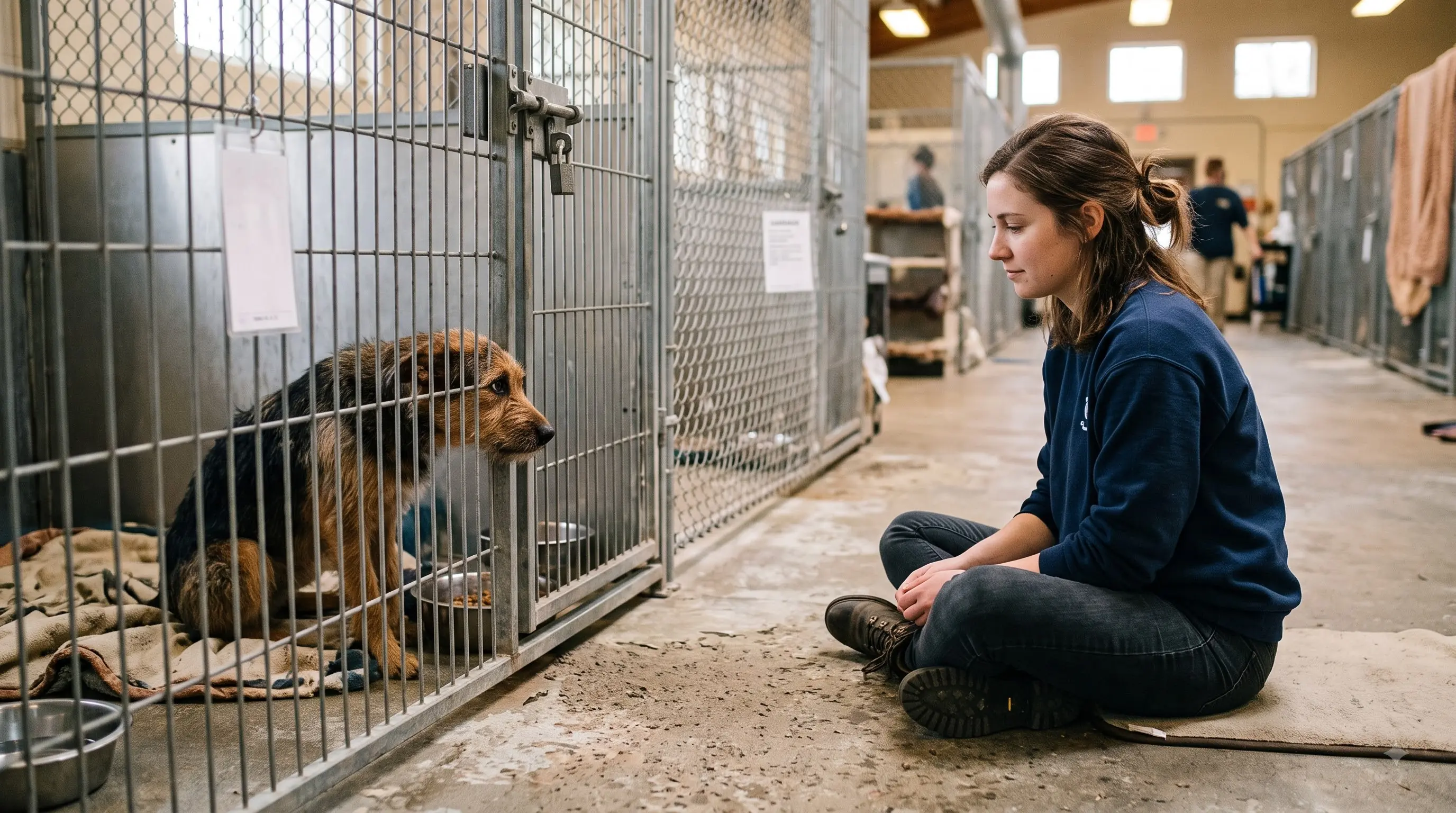
Volunteers spend weeks, sometimes months, sitting outside a kennel, tossing treats, and simply existing nearby without demanding anything in return.
Organizations like Best Friends Animal Society have built entire behavior rehabilitation programs around exactly this kind of patient, no-pressure approach. That patience is exactly what unadoptable dogs need, and it’s why volunteers so often become the first person a fearful dog trusts.
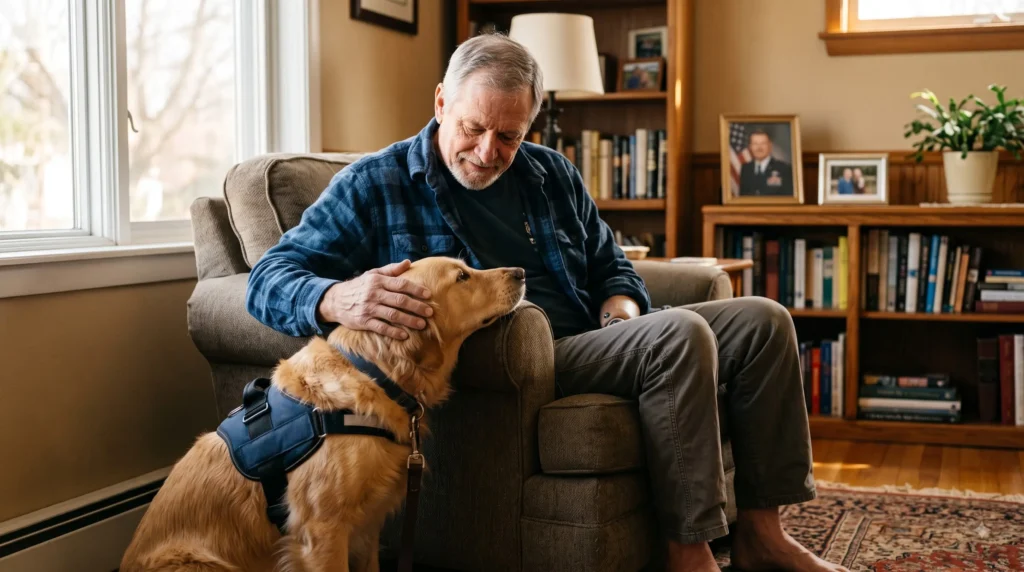
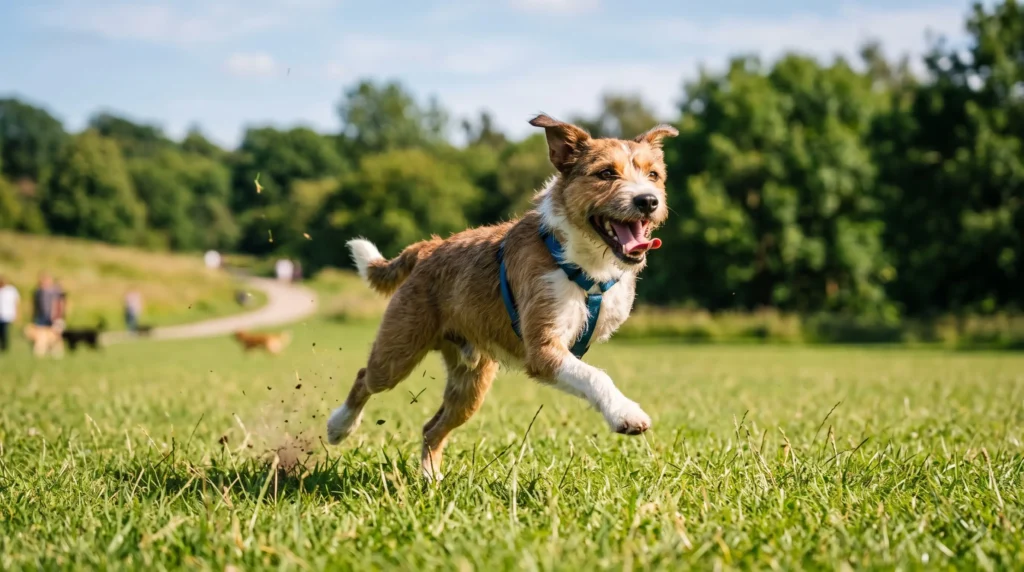
Many describe the moment a formerly unadoptable dog finally leans into a hand, or wags its tail for the first time, as one of the most powerful experiences of their volunteer work.
How Unadoptable Dogs Actually Transform
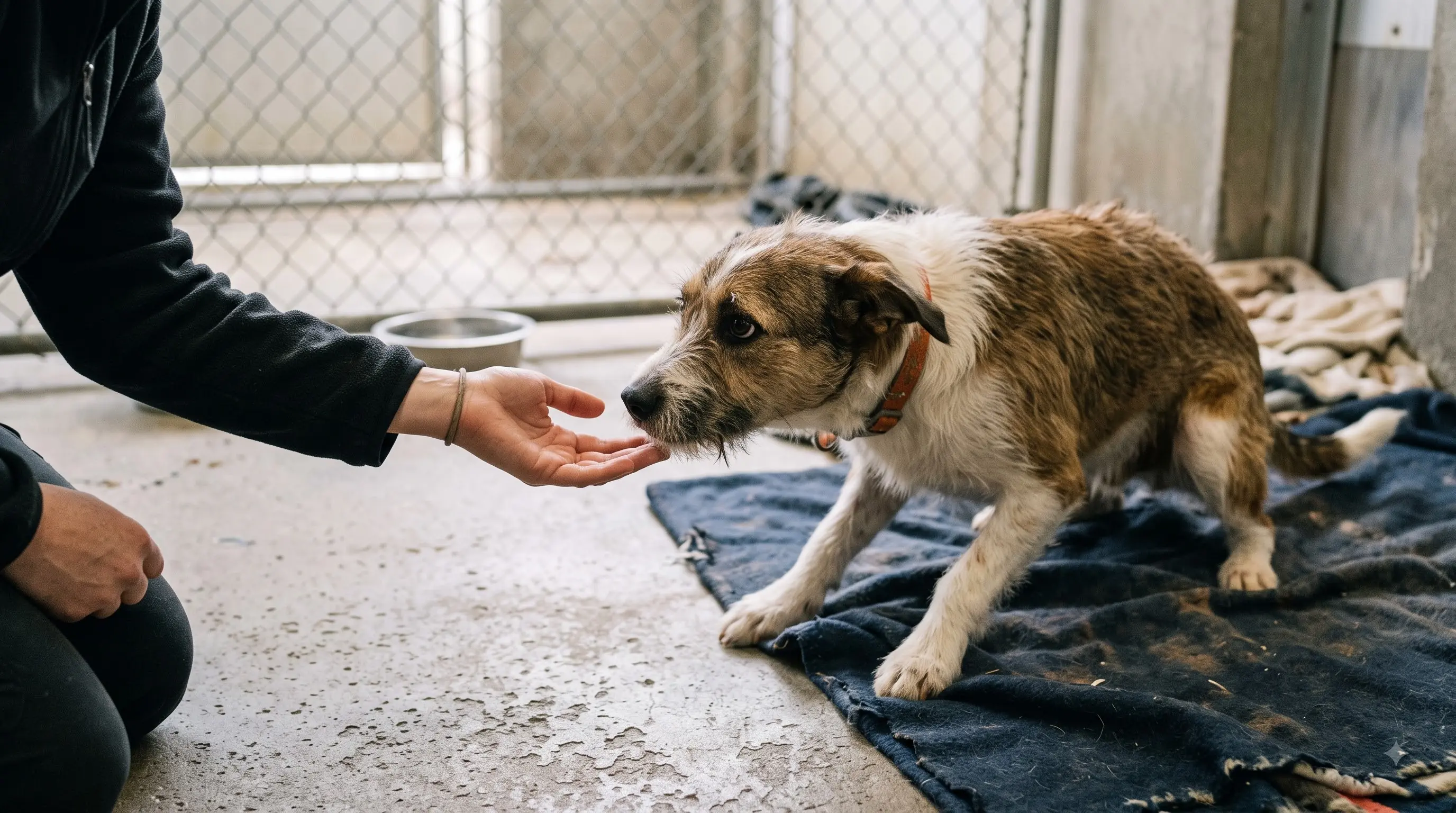
The change rarely happens overnight. It’s usually a slow accumulation of small wins: a dog that stops flinching at a raised hand, one that starts approaching the front of the kennel instead of hiding in the back, one that finally accepts a treat directly from someone’s fingers.
Behaviorists who work with fearful shelter dogs describe this as trust building in layers — each small success making the next one a little easier. By the time an unadoptable dog is ready for a home, it’s often unrecognizable from the animal that arrived.
Real Impact of Giving an Unadoptable Dog a Chance
- Frees up shelter resources and attention that can go toward the next dog in crisis
- Proves to volunteers and staff that patience and consistency genuinely work
- Gives adopters a dog whose loyalty, once earned, tends to run especially deep
- Shifts the label itself — many shelters now avoid the word “unadoptable” altogether, calling these dogs “needs extra time” instead
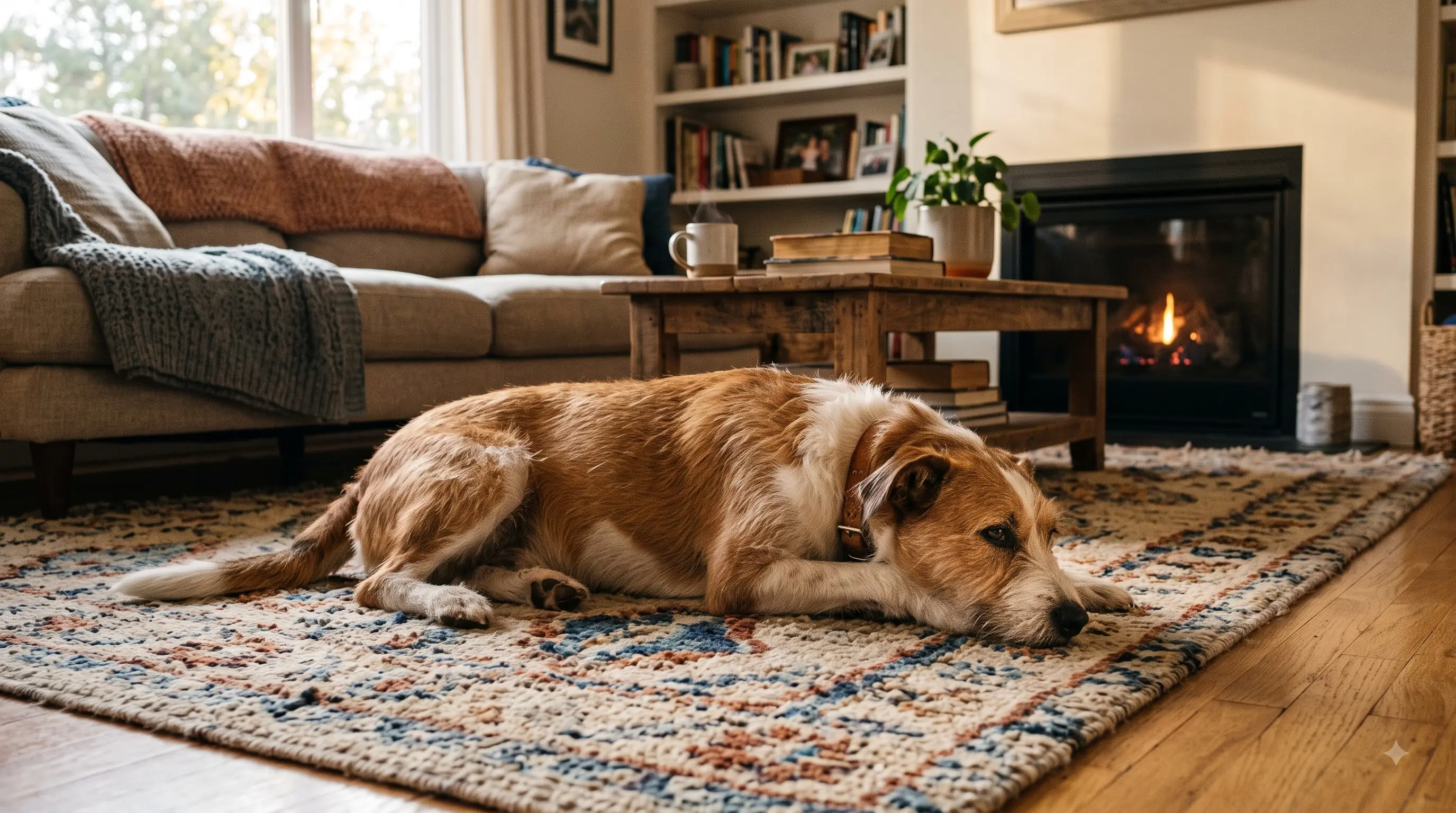
What Adopting a Formerly Unadoptable Dog Looks Like
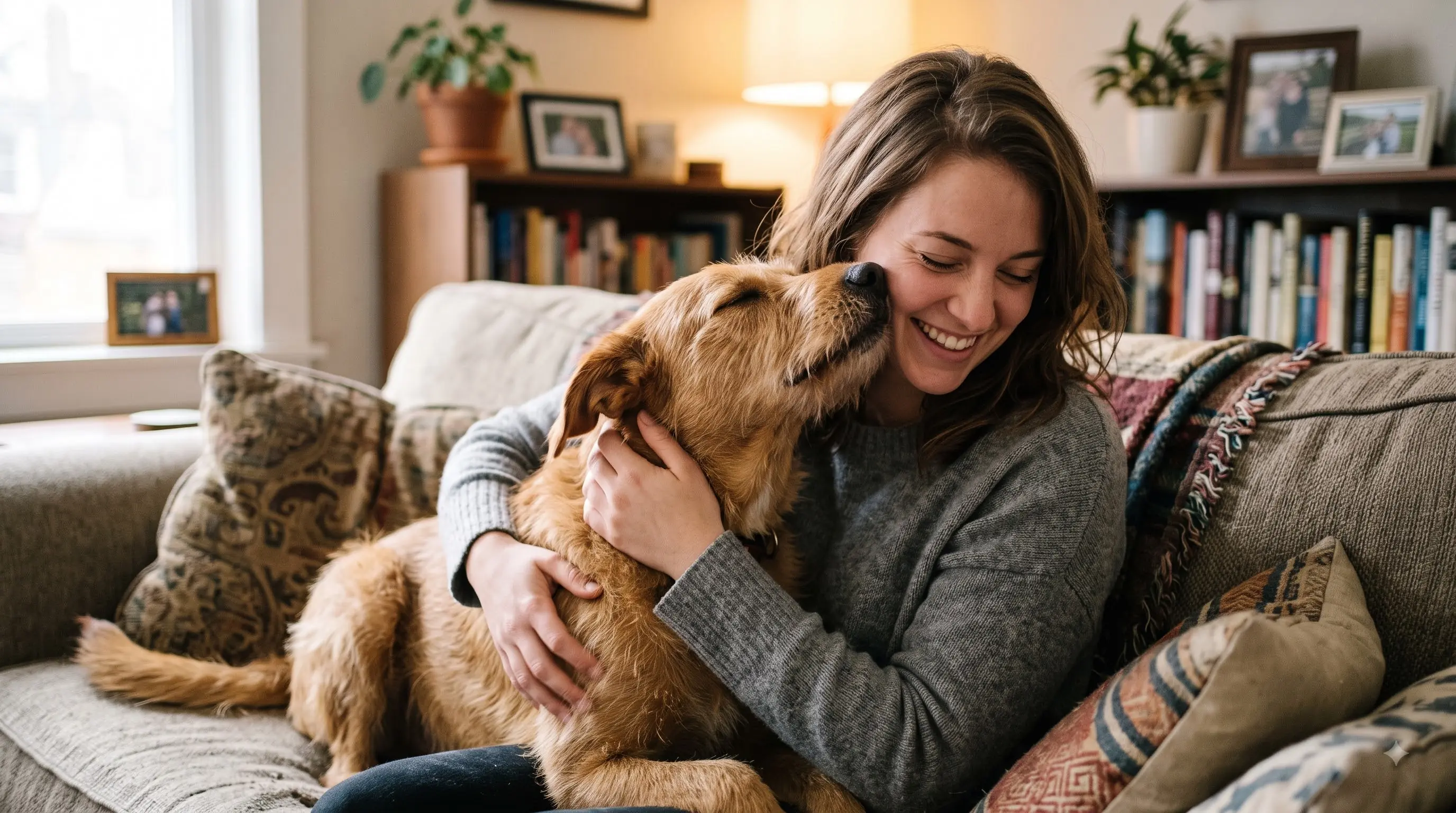
Bringing home a dog who’s done this kind of work with volunteers isn’t the same as bringing home a dog straight off the street.
Much of the hardest trust-building has already happened.
Adopters typically inherit a dog that’s learned humans can be safe, even if it still needs a slow, quiet introduction to a new environment and a consistent routine to keep that trust intact. Sudden changes, loud households, or rushed introductions can set progress back, so patience remains part of the deal even after adoption.
Frequently Asked Questions
Are unadoptable dogs dangerous?
Almost never. Most are labeled that way due to fear-based behavior, not aggression, and genuinely dangerous dogs are handled separately by trained behavior teams rather than placed for general volunteer work.
How long does it take to rehabilitate a fearful shelter dog?
It varies widely, from a few weeks to several months, depending on the dog’s history and how consistently volunteers can work with it.
Do formerly unadoptable dogs make good family pets?
Often, yes, once they’ve built trust and are matched carefully with a calm, patient household. Shelters typically provide detailed behavior notes to help adopters prepare.
What should I feed a newly adopted dog with a fearful history?
A consistent, predictable feeding routine helps reinforce a sense of safety. If switching foods, the FDA’s Center for Veterinary Medicine recommends transitioning gradually over 7 to 10 days to avoid digestive upset.
Give an Unadoptable Dog the Time It’s Always Deserved
The dogs volunteers call unadoptable are usually just the ones who need a little more patience than most — and the ones who, once they finally trust someone, tend to love the hardest.
If you’re bringing home a new dog with a difficult past, the Pet Symptom Checker is a helpful tool for catching health concerns early during the transition.
And if you’re just beginning to think about adoption, our complete guide to adopting a dog walks through what to expect from start to finish.
Source: U.S. Food and Drug Administration, Center for Veterinary Medicine — guidance on transitioning pets to a new diet.

**Sidnir Vieira**
Founder of TechHavela
A passionate pet and tech content creator, helping dog owners across the U.S. make smarter decisions for their furry friends.