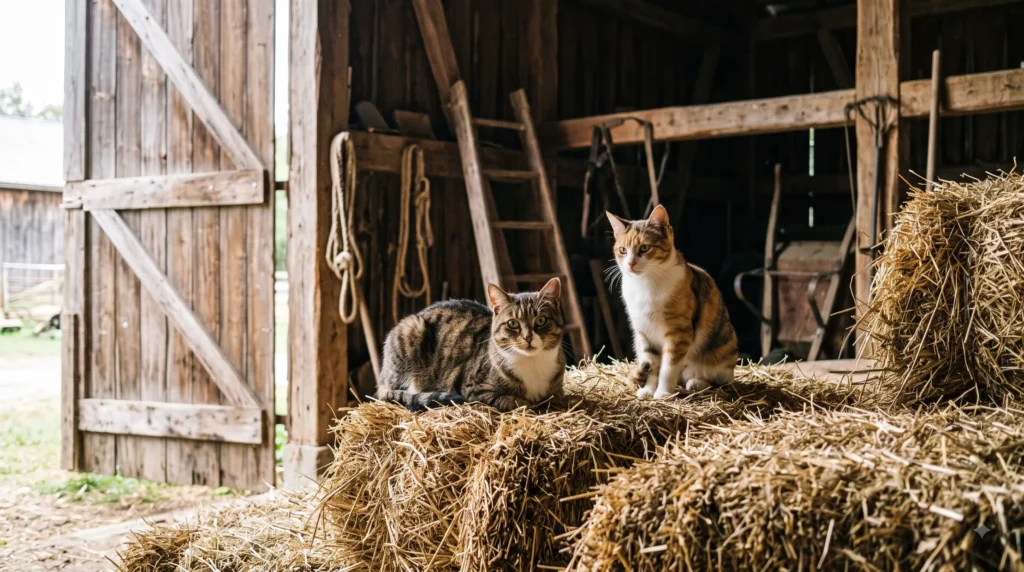
Why Senior Cats Are Often the Most Overlooked — and Most Rewarding
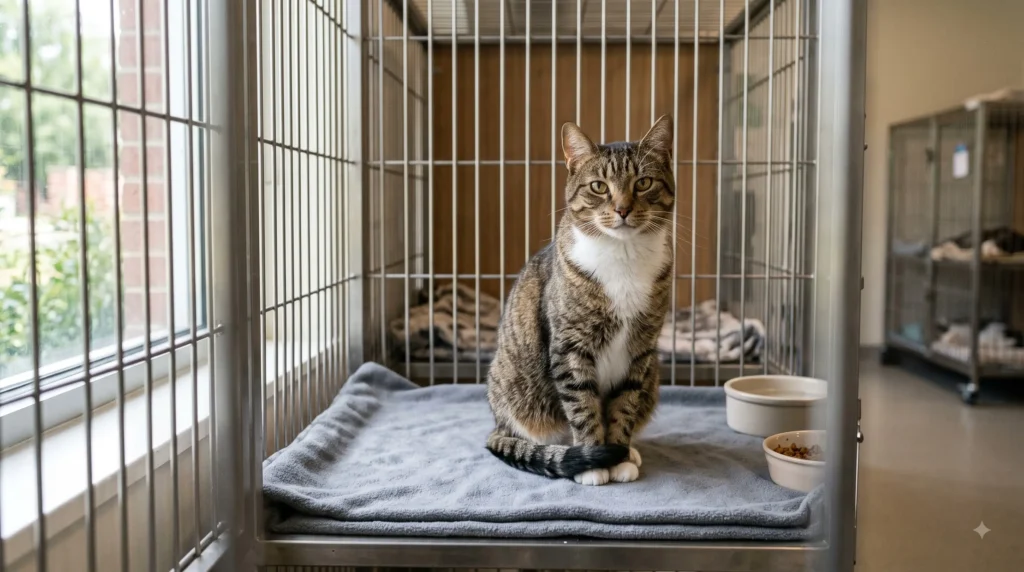
Walk through the cat room at almost any shelter and a pattern shows up fast:
the kittens get scooped up within days, sometimes hours, while the cats with graying muzzles and a little extra softness around the middle wait months, sometimes years, for someone to look twice.
Adopting a senior cat is one of the most quietly rewarding decisions a pet lover can make, yet it remains one of the hardest sells in any shelter. The reasons are understandable but often misguided, and the cats who pay the price are usually the ones with the most affection left to give.
The Real Reasons Senior Cats Get Passed Over
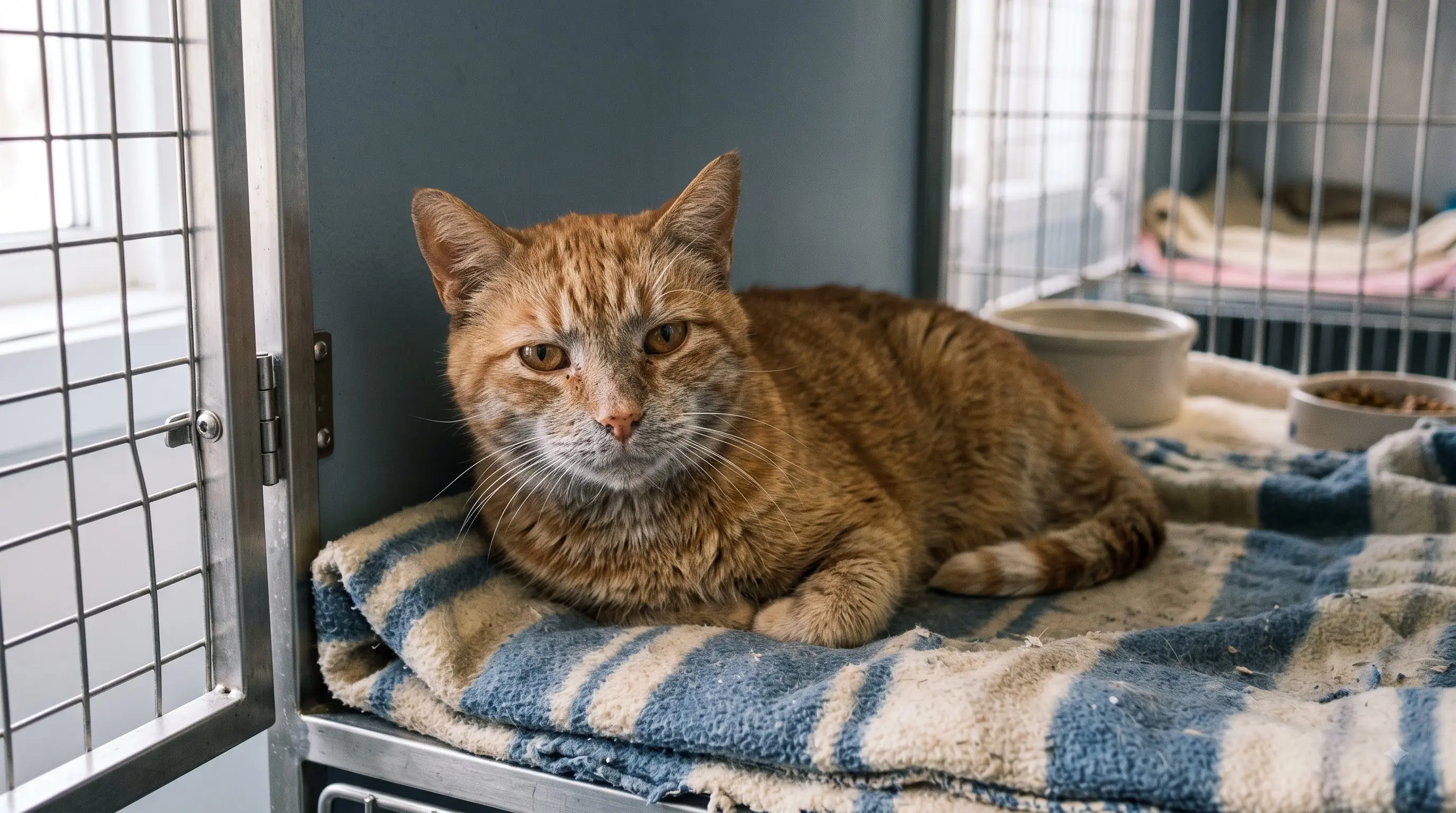
It’s rarely anything the cat did wrong. Most people walk into a shelter with a mental image of a bouncy kitten, and staff say that mindset is hard to shake even when a calm, affectionate seven-year-old is sitting right in front of them.
Some adopters worry about vet costs down the road, others assume an older cat won’t bond as quickly, and a few simply never consider that adopting a senior cat could be an option at all. None of these assumptions hold up well against what shelter workers and long-time cat owners actually observe.
What Makes Adopting a Senior Cat So Rewarding
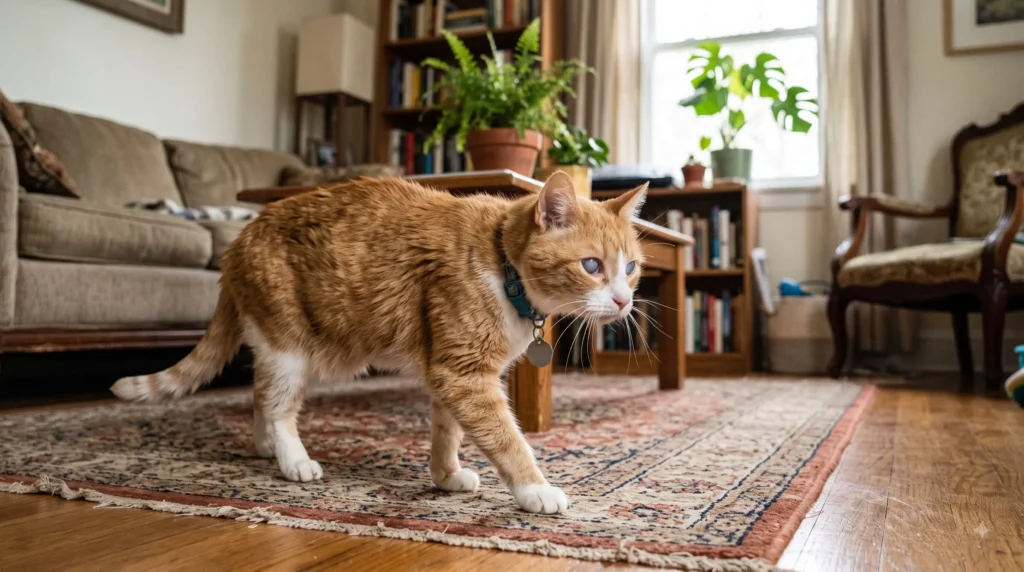
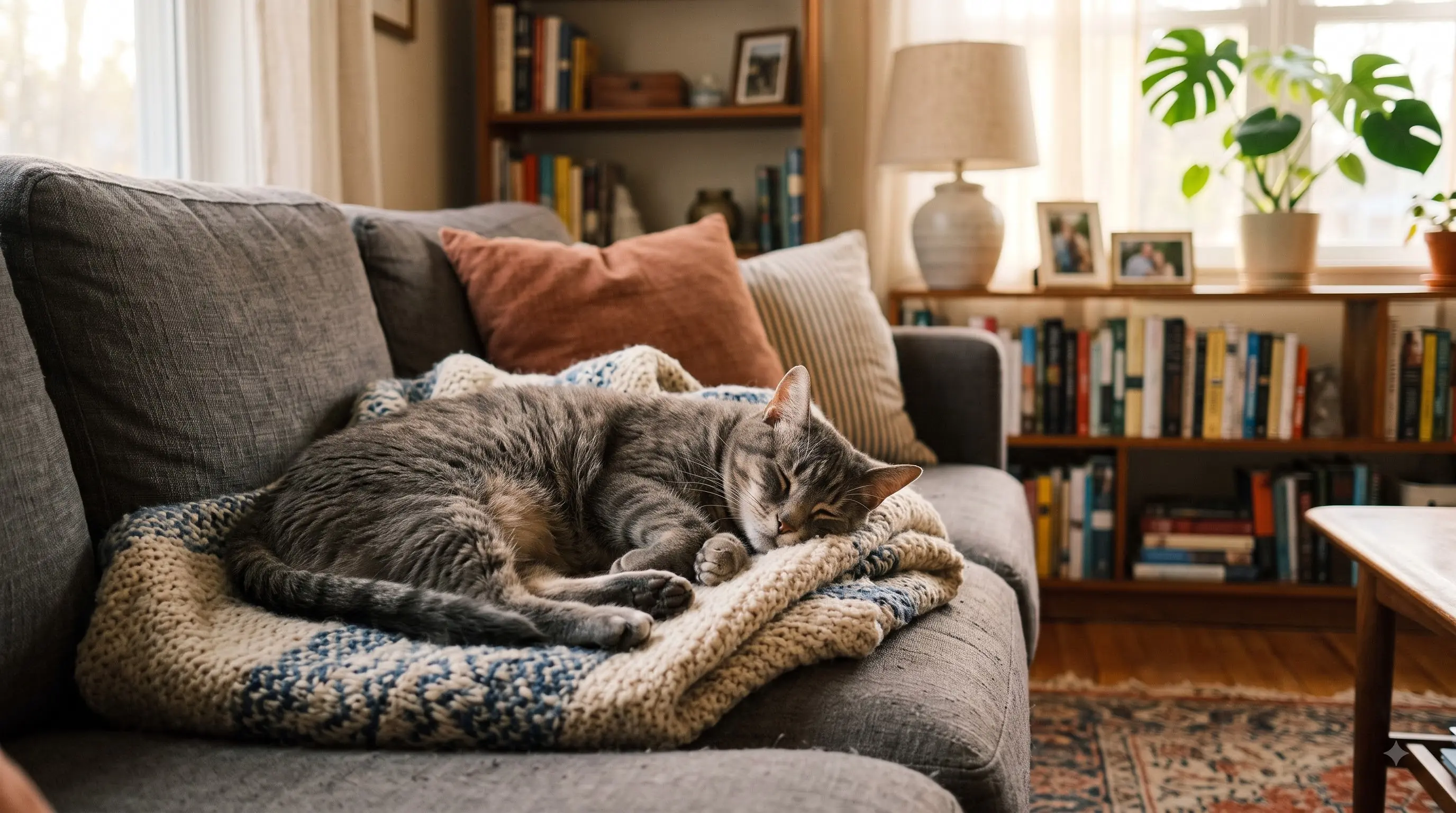
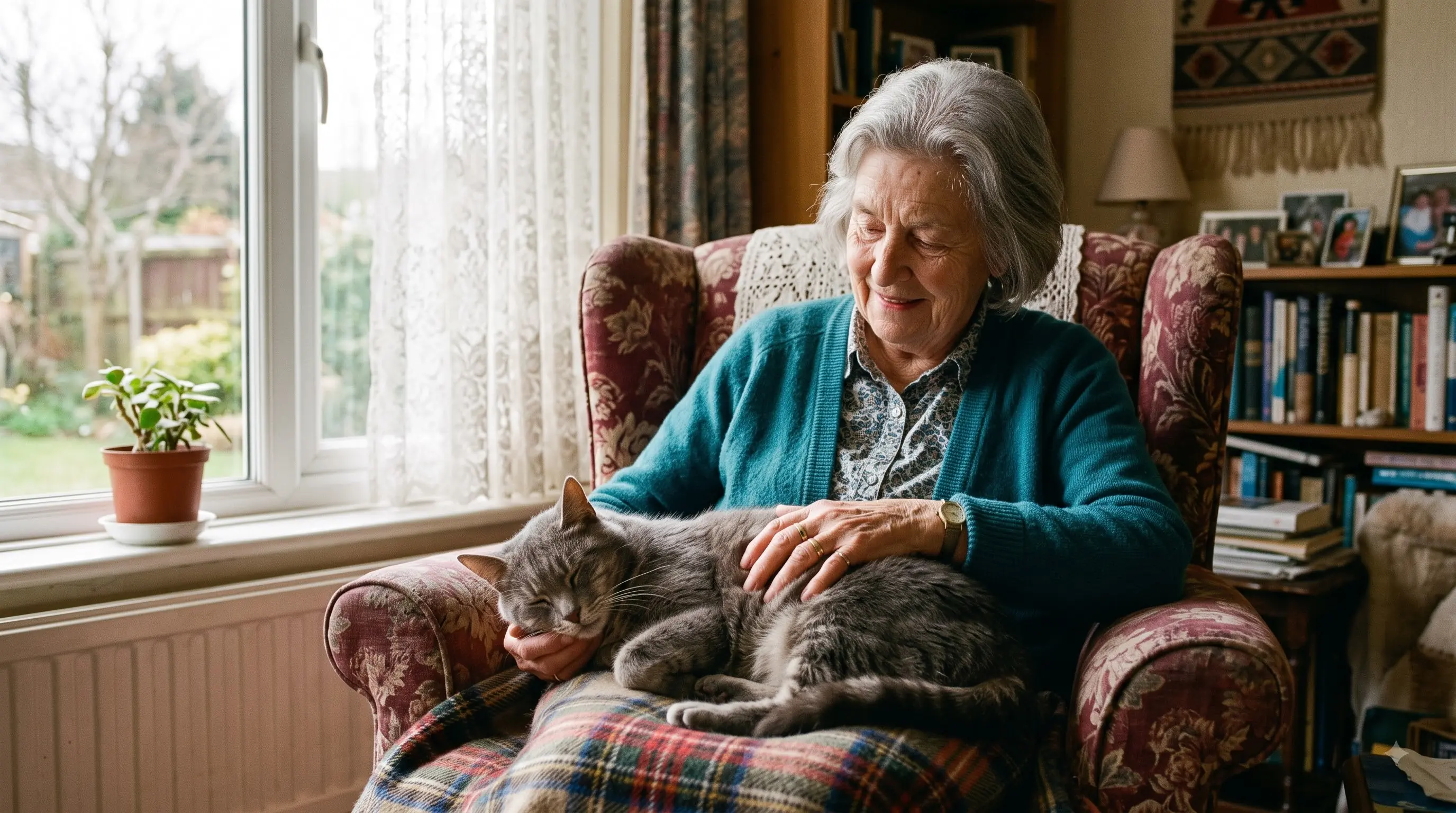
Senior cats tend to arrive already knowing who they are. Litter box habits are set, the wild kitten energy has mellowed into a preference for sunny windowsills and quiet lap time, and many older cats bond with their new owner within days rather than weeks.
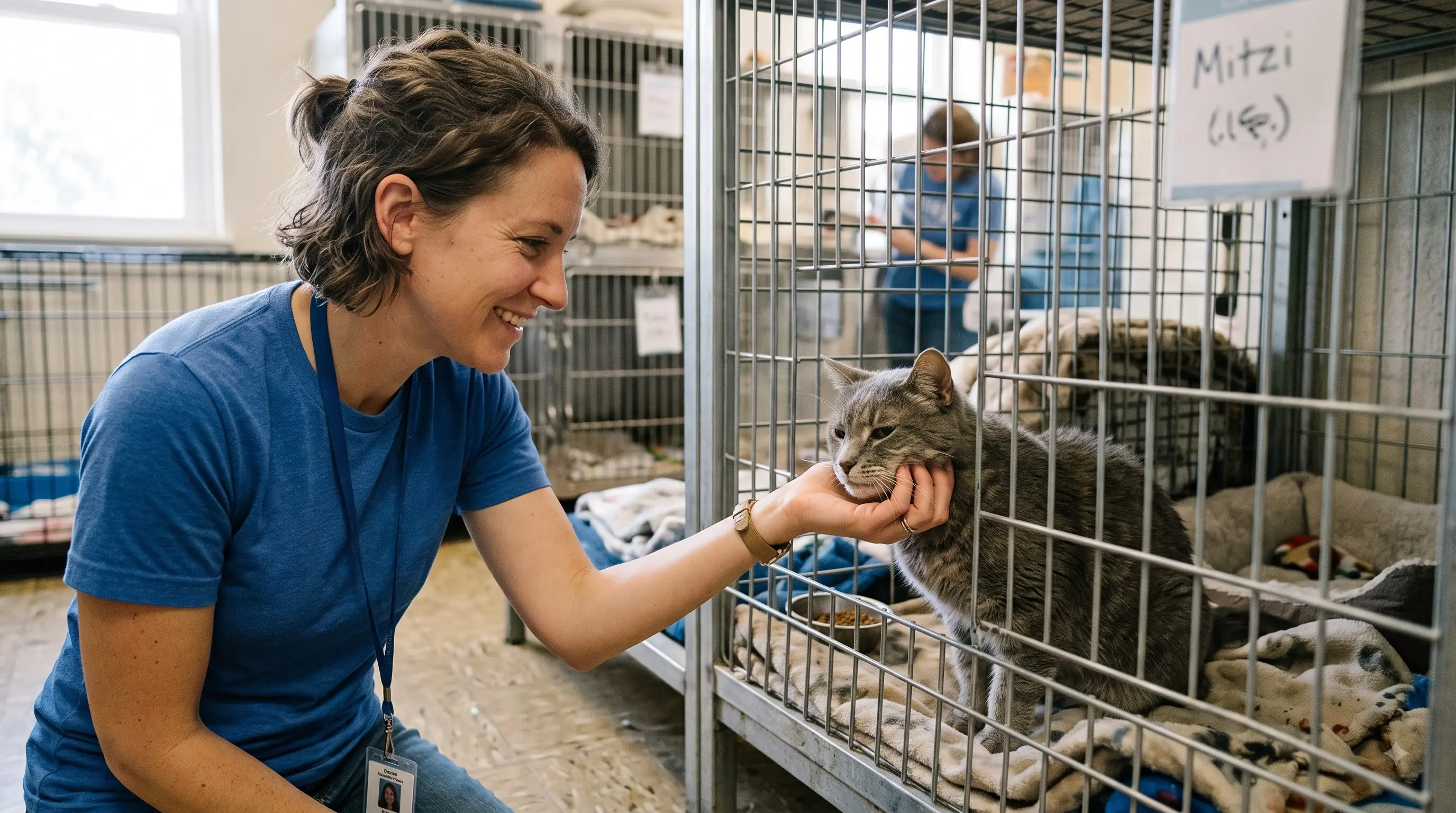
Shelter staff frequently describe senior cats as the ones who seem to understand they’ve been given a second chance — greeting visitors at the front of the enclosure, leaning into a hand through the bars, settling immediately once they’re finally home.
For anyone who works long hours or lives in a smaller space, a mellow senior companion is often a far better match than an energetic kitten that needs constant supervision.
The Health Question Most People Get Wrong
Cost is the concern that comes up most often, and it’s a fair one to raise. But adopting a senior cat doesn’t automatically mean a stack of vet bills.
Many senior cats available for adoption have already been through a full veterinary workup at the shelter, including dental care, bloodwork, and vaccinations, so adopters often start with a healthier baseline than they expect.
Routine care matters at every life stage — the American Veterinary Medical Association recommends twice-yearly wellness visits for cats over seven so any changes in weight, kidney function, or mobility are caught early rather than after they become serious.
That kind of proactive care, paired with a stable indoor routine, lets many senior cats live active, comfortable years well into their teens.
They Adjust Faster Than You’d Expect
One of the more surprising truths about senior cat adoption is how quickly the transition tends to go. Kittens can take weeks to settle into a new environment, testing boundaries and burning off energy in ways that keep new owners on their toes.
Older cats, by contrast, often need only a few quiet days with a warm bed, a consistent feeding schedule, and a low-pressure introduction to the household before they’re curled up on the couch like they’ve always been there.
That fast, low-drama adjustment is part of why so many people who choose to adopt a senior cat end up saying it was the easiest transition they’ve ever had with a new pet.
Real Impact of Choosing a Senior Cat
- Opens a shelter kennel for another animal in need, often shortening that cat’s overall length of stay
- Gives adopters a companion with an established, predictable personality from day one
- Reduces the emotional and financial unpredictability of kitten-proofing a home
- Supports shelters that specifically run reduced-fee or waived-fee senior adoption programs
- Gives an animal who may have spent years waiting the chance to spend its remaining years loved
Frequently Asked Questions
At what age is a cat considered a senior?
Most veterinarians classify cats as senior starting around age 10 to 11, though some shelters use a broader “mature” category starting at 7 to reflect cats who are already being passed over by kitten-focused adopters.
Is adopting a senior cat more expensive long-term?
Not necessarily. Many shelters already cover initial dental work, vaccinations, and bloodwork before adoption, and ongoing costs are comparable to any cat’s routine care as long as wellness visits stay consistent.
Do senior cats bond as strongly as kittens?
Often more so, and more quickly. Shelter staff regularly report that senior cats form attachments within days, likely because they’re old enough to recognize a stable, calm environment when they finally get one.
What should I feed a senior cat after adoption?
Any dietary change should be introduced gradually. The FDA’s Center for Veterinary Medicine recommends transitioning pets to a new food over 7 to 10 days, mixing in increasing amounts of the new diet, to avoid digestive upset — a rule that applies just as much to a newly adopted senior cat as to a kitten.
Give a Senior Cat the Home They’ve Been Waiting For
Adopting a senior cat means welcoming a companion who already knows how to be a great one.
If you’re bringing home a new cat of any age and want to keep an eye on their health during the transition, the Pet Symptom Checker is a helpful first step for spotting anything that needs a vet’s attention early.
And if you’re weighing whether an older pet is the right fit for your household at all, our guide on the unexpected joys of adopting older pets covers what to expect across the board.
Source: U.S. Food and Drug Administration, Center for Veterinary Medicine — guidance on transitioning pets to a new diet.

**Sidnir Vieira**
Founder of TechHavela
A passionate pet and tech content creator, helping dog owners across the U.S. make smarter decisions for their furry friends.