Why Senior Shelter Dogs Deserve a Second Chance at Love
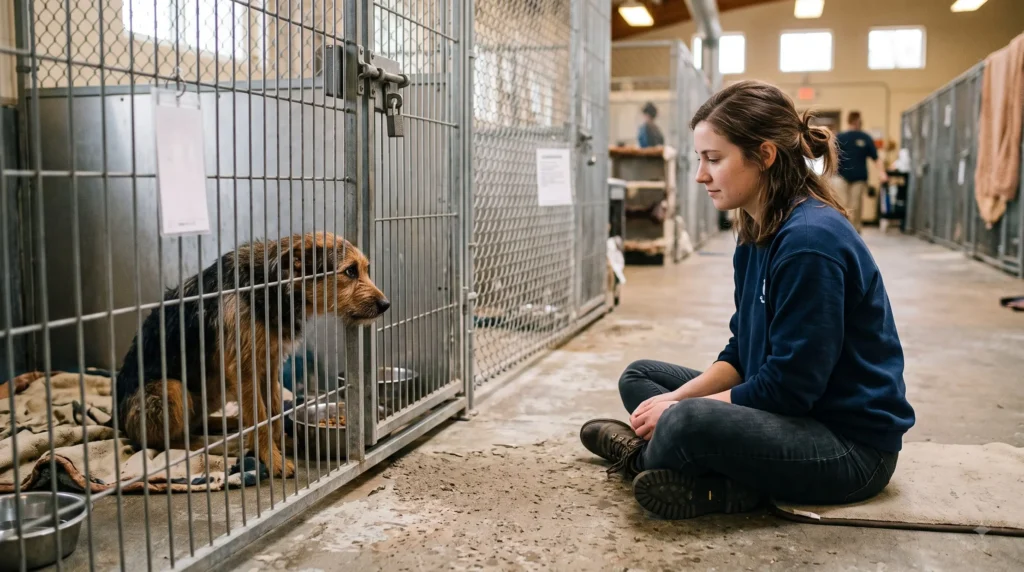
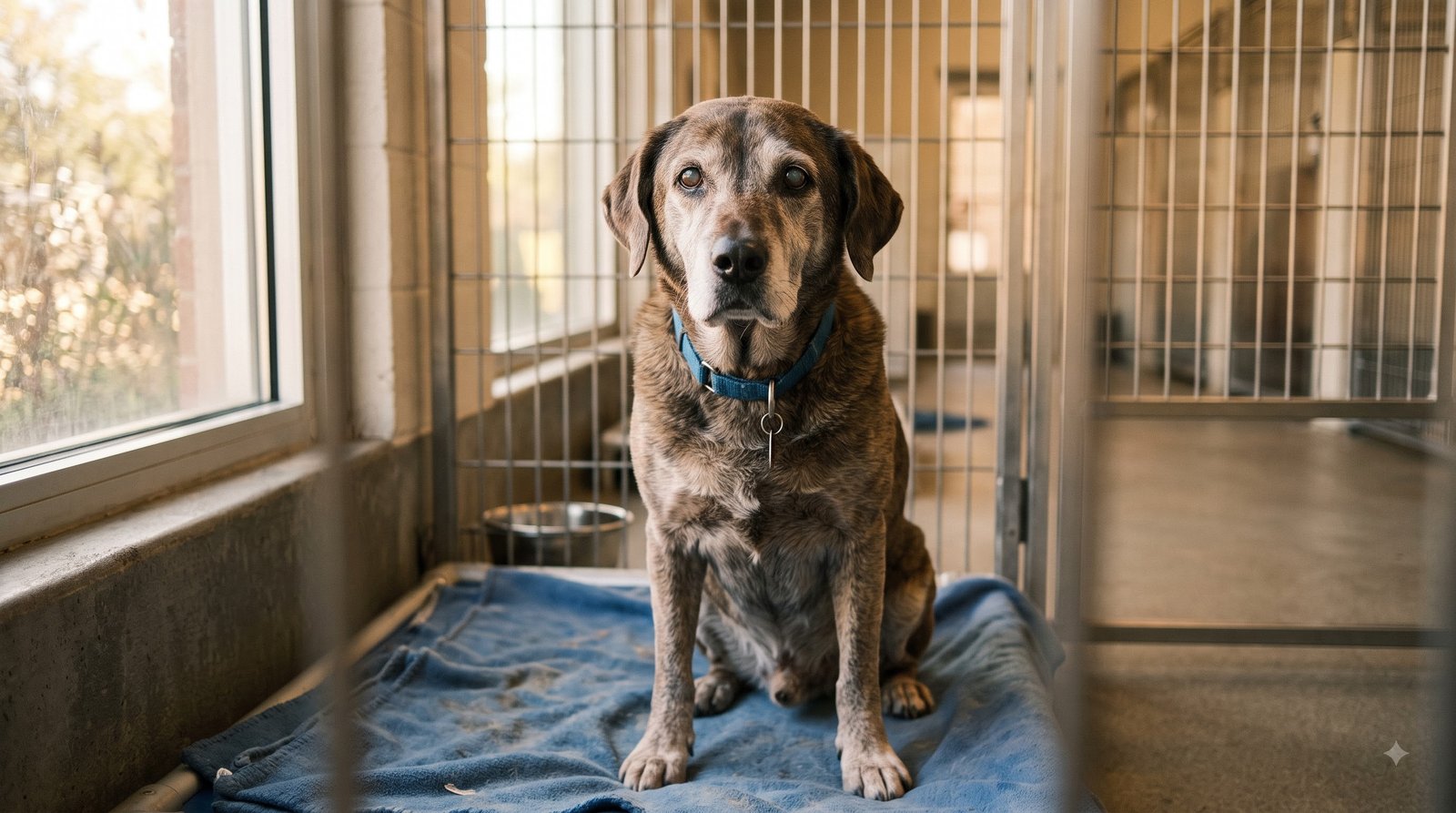
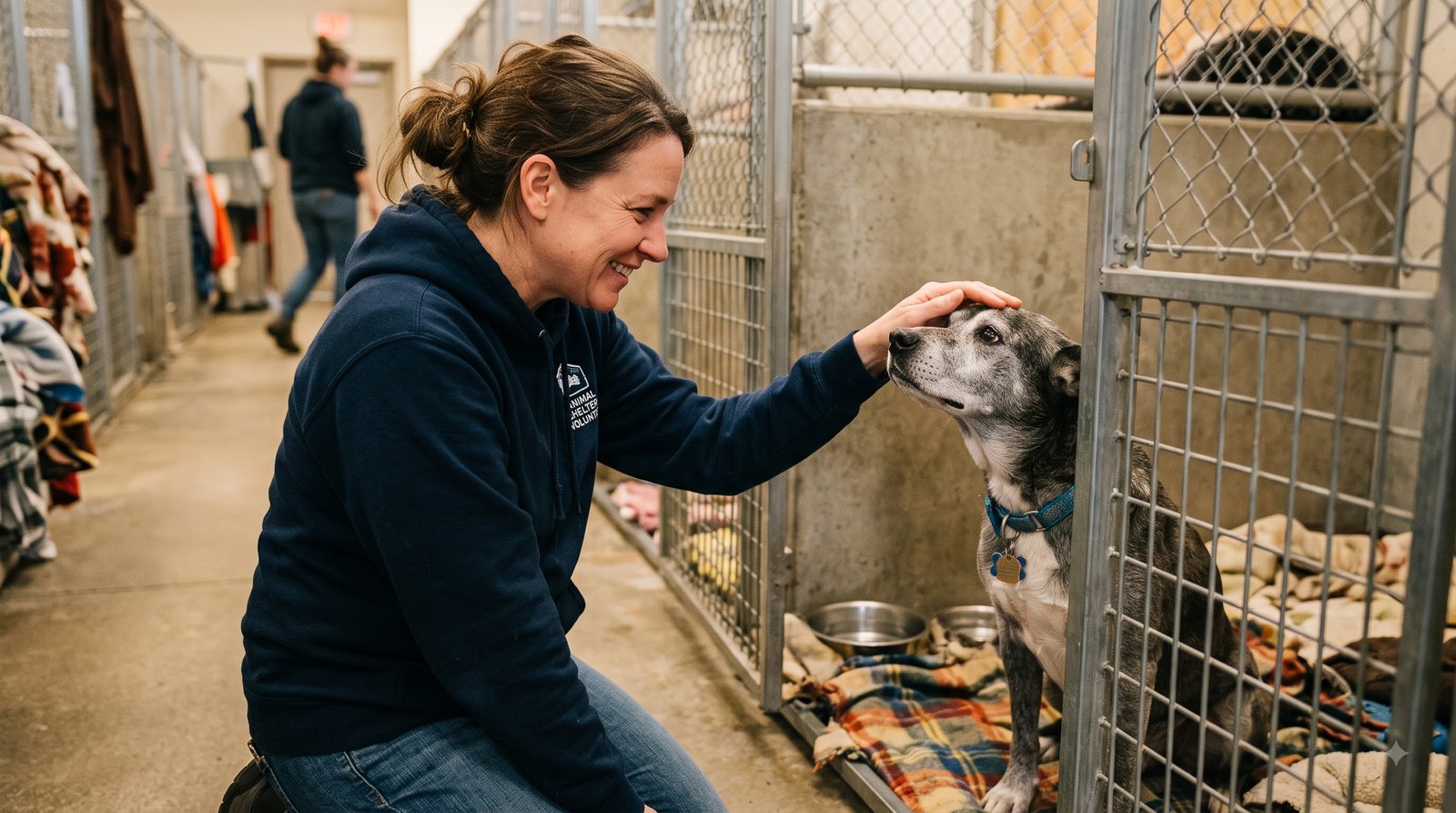
Walk through almost any shelter and the pattern is the same: the puppies and young dogs get adopted first, while the dogs with graying muzzles and cloudy eyes wait in their kennels the longest. Understanding the benefits of adopting a senior dog is changing that story for more families every year, one overlooked dog at a time.
It’s easy to assume an older dog comes with more problems and less time. In practice, the opposite is often true — and the families who take that chance usually describe it as one of the best decisions they’ve made.
Why Senior Dogs Get Overlooked in Shelters
Most shelter visitors are drawn instinctively to puppies, and it’s easy to understand why: puppies are undeniably cute, and people picture more years together. But that instinct overlooks what a senior dog already brings to the table — a fully formed personality, house training already done, and none of the chewing, accidents, or 3 a.m. wake-ups that come with raising a puppy from scratch.
Shelter staff often say senior dogs are among the calmest, most grateful animals in the building, yet they’re also the ones most likely to be passed over, sometimes for months or even years.
What Makes Senior Dogs Wonderful Companions
Older dogs tend to be calmer, less destructive, and easier to read than puppies. Many have already lived in a home before, so basic manners — walking on a leash, understanding “no,” settling down at night — are often already in place. What you see in a senior dog’s temperament at the shelter is usually close to what you’ll get at home, without months of guessing how a puppy will turn out.
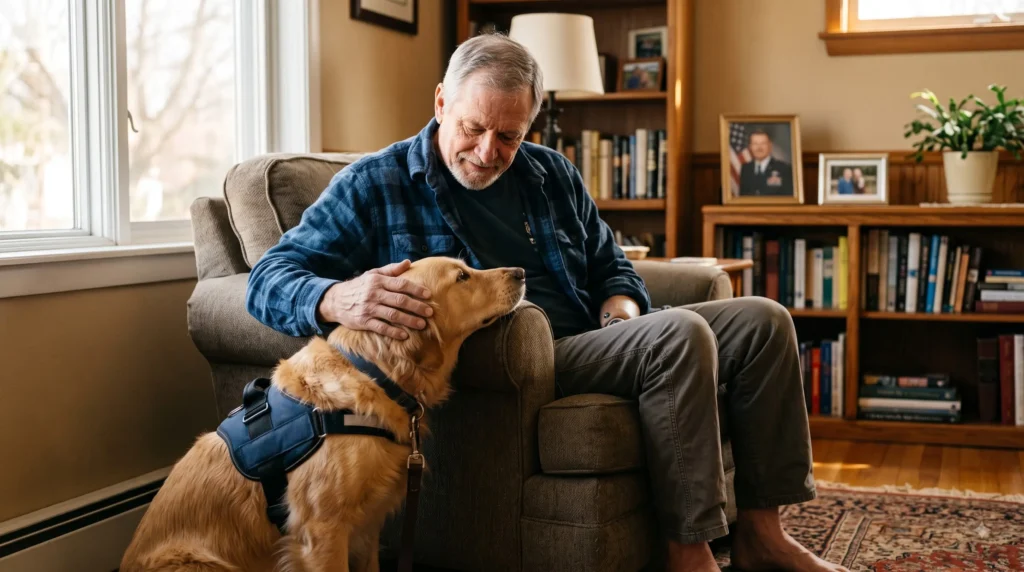
That predictability is part of why the benefits of adopting a senior dog go beyond simple convenience — it’s a fundamentally calmer, steadier kind of companionship. Families with young children, older adults, or anyone without the time to raise and train a puppy from scratch often find that a senior dog fits their life more comfortably than a younger one would.
The Adjustment Period for a Newly Adopted Senior Dog
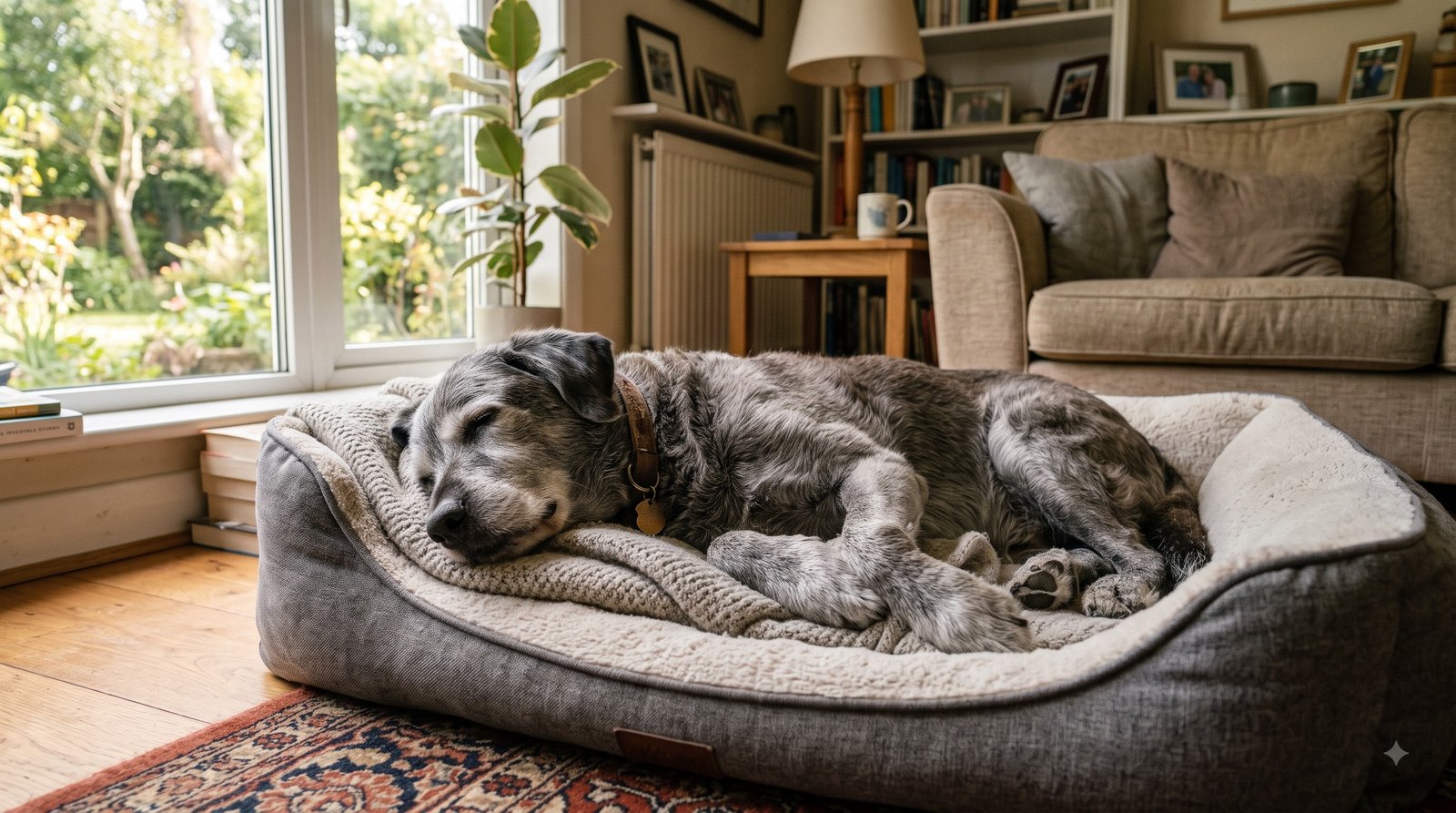
Even a well-behaved senior dog needs time to settle into a new home. The first few weeks are usually the hardest, as the dog learns the new household’s routine, sounds, and smells. Patience during this window matters more than any training technique.
Diet is part of that adjustment too. The FDA’s Center for Veterinary Medicine recommends transitioning any dog to a new food gradually over 7 to 10 days rather than switching all at once, since sudden diet changes can cause digestive upset — something senior digestive systems are often more sensitive to than a younger dog’s.
The Real Benefits of Adopting a Senior Dog
- What you see is what you get. A senior dog’s size, energy level, and personality are already established — no guessing how a puppy will grow up.
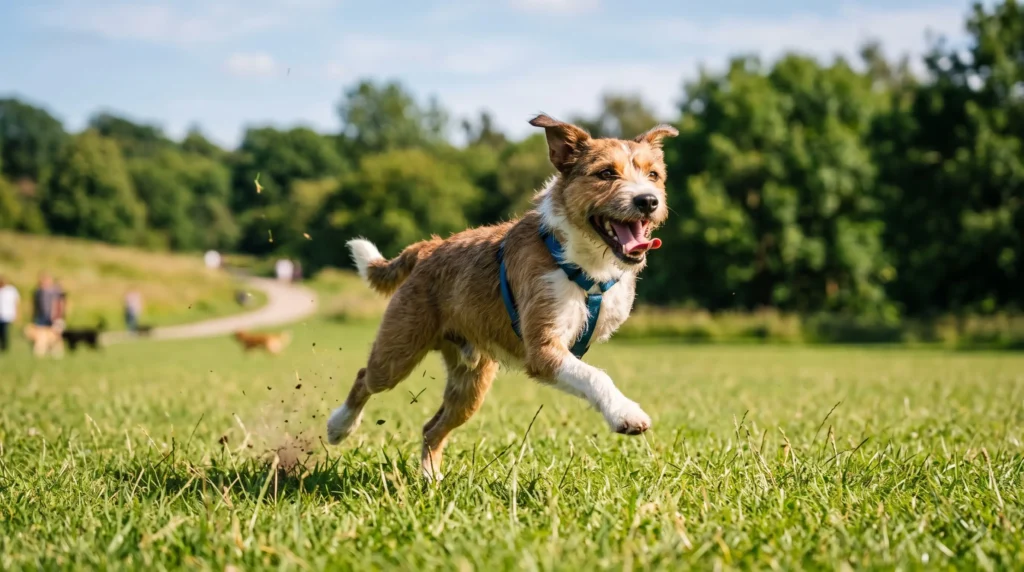
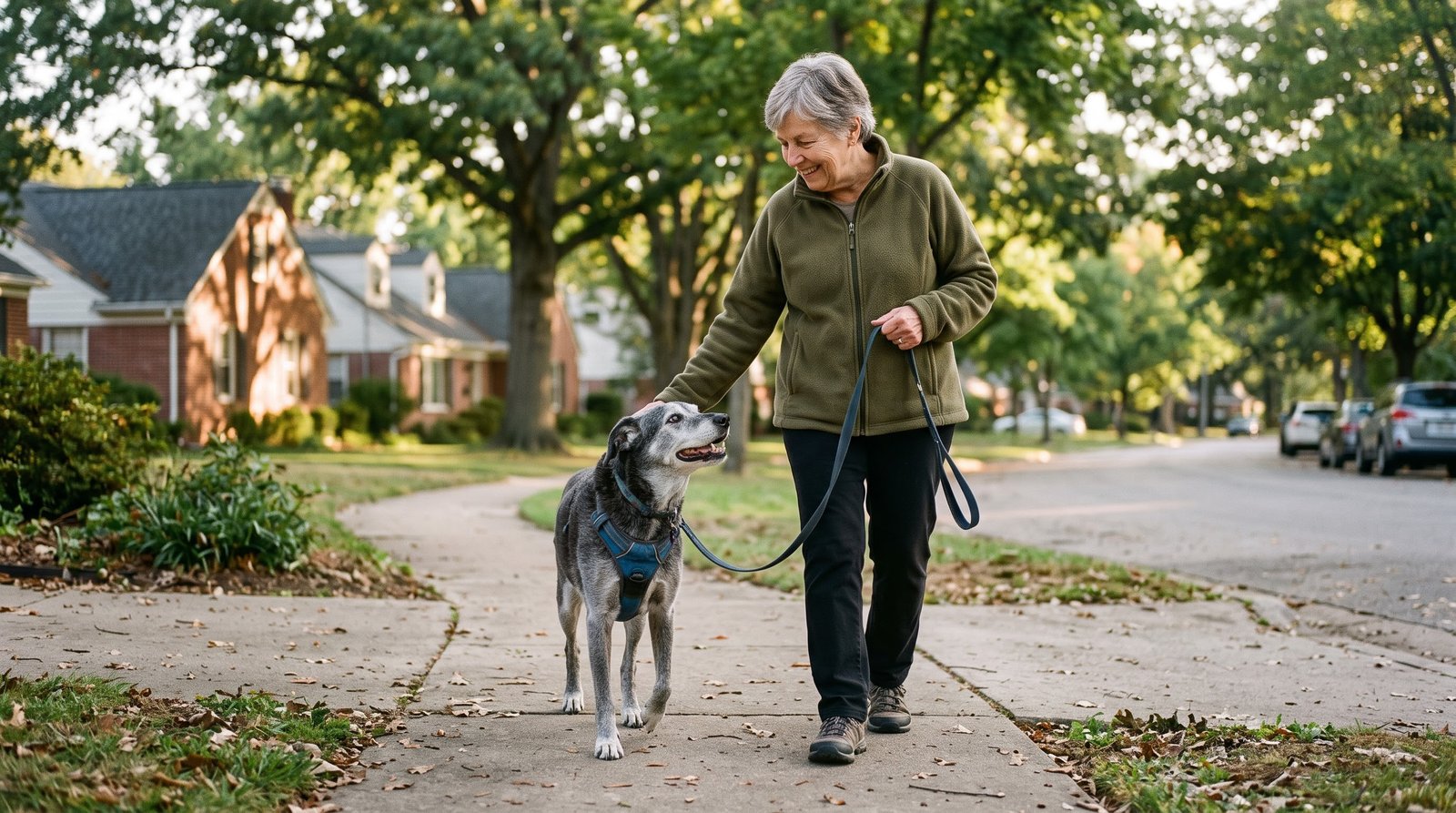
- Lower exercise demands. Most senior dogs are content with moderate walks and plenty of couch time, which suits many adopters’ lifestyles better than a high-energy puppy.
- Faster shelter-to-home transition. Many senior dogs are already housetrained and know basic commands, cutting down the early training period significantly.
- A shorter wait means a longer thank-you. Shelter staff and adopters alike often describe a noticeable shift in a senior dog once it realizes it has a permanent home.
Health Considerations Worth Knowing
Senior dogs can come with more veterinary needs than younger ones — joint support, dental care, and more frequent checkups are common. None of this makes them a riskier adoption; it simply means budgeting for it, the same way any pet owner budgets for routine and unexpected veterinary costs at any age. Even so, most adopters find the benefits of adopting a senior dog far outweigh the extra vet visits, especially since many shelters provide a recent veterinary history that makes ongoing care more predictable than it would be with a dog of unknown background.
What Shelters Wish People Understood About Senior Dogs
Shelter staff consistently say the same thing: a senior dog’s slower pace isn’t a downside, it’s often exactly what an adopter is looking for without realizing it. The dogs that wait longest tend to reward patience the most — not because they’ve earned it through waiting, but because they arrive at their new home ready to settle in immediately, without the unpredictable stretch of adolescence a younger dog still has ahead of it.
Frequently Asked Questions
Is it harder to bond with a senior dog than a puppy?
Not usually — many adopters report bonding faster with a senior dog, since the dog is often eager to attach to a stable home right away rather than testing boundaries the way puppies do.
How long do senior dogs typically live after adoption?
It varies widely by breed and health, but many senior dogs live happily for years after adoption — shelters can usually give a realistic estimate based on the individual dog’s health record.
Do senior dogs need less training than puppies?
Generally yes, though some may need help unlearning specific habits from a previous home. Basic obedience is often already in place, which shortens the adjustment period considerably.
What’s the best way to prepare a home for a senior dog?
A quiet space, a comfortable orthopedic bed, and a predictable routine matter more than any special equipment — senior dogs generally adjust best when the first few weeks are kept calm and low-key.
Every Senior Dog Deserves a Loving Home
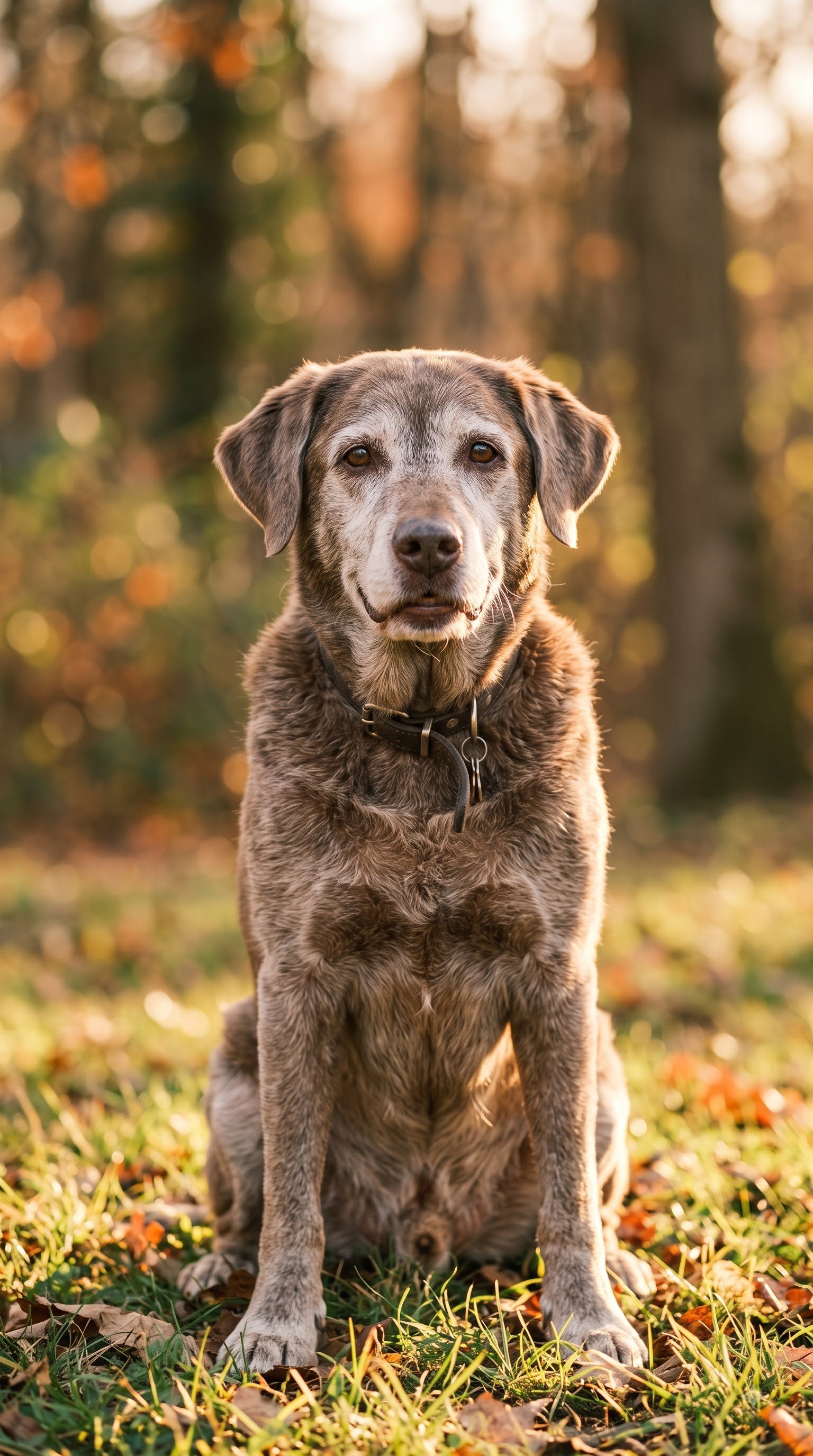
The benefits of adopting a senior dog go beyond convenience — they come with a kind of gratitude and calm that’s hard to describe until you’ve experienced it yourself. A senior dog isn’t a compromise on the family you pictured; for many adopters, it turns out to be exactly the companion they needed.
If you’re bringing home a newly adopted senior dog and notice any signs of digestive upset during the food transition or adjustment period, run the symptoms through our Pet Symptom Checker and check in with your veterinarian. For a full walkthrough of the adoption process itself, see our complete guide to adopting a dog.
Source: U.S. Food and Drug Administration, Center for Veterinary Medicine

**Sidnir Vieira**
Founder of TechHavela
A passionate pet and tech content creator, helping dog owners across the U.S. make smarter decisions for their furry friends.