Is Your Dog Secretly Stressed? 7 Subtle Signs You’re Missing
Dogs can’t tell us in words when something is bothering them, so they rely on body language instead — and a lot of that language is far quieter than a bark, a growl, or an obvious tucked tail. Many of the classic signs of stress in dogs are so subtle that even attentive owners walk right past them every day, mistaking them for quirky habits or simple tiredness.
Recognizing these smaller signals early matters, because chronic, unaddressed stress in dogs has been linked to digestive issues, weakened immune response, and behavior problems down the road. Here are seven signs worth watching for, and what to do if you spot them.
1. Excessive Lip Licking (Without Food Around)
A quick lick of the lips after a meal is normal. Repeated lip licking with no food in sight, though, is one of the most common and most overlooked signs of stress in dogs. It often appears alongside other subtle cues, like a slightly furrowed brow or a stiff posture, and tends to show up in situations your dog finds uncertain, like a vet visit, a loud gathering, or an unfamiliar dog approaching.
2. Yawning at the “Wrong” Times
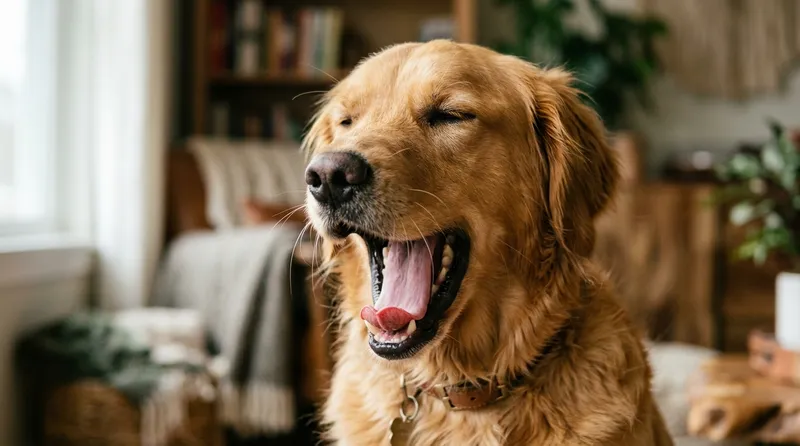
Dogs yawn when they’re tired, but they also yawn as a self-soothing behavior during stressful moments, even if they’re wide awake and alert. If your dog yawns repeatedly during a training session, a car ride, or a visit from guests, it may be less about sleepiness and more about coping with tension in the moment.
3. Whale Eye
“Whale eye” describes the moment a dog turns its head away from something while keeping its eyes fixed on it, exposing the whites of the eyes in a crescent shape. It’s a classic sign of discomfort or unease, often seen when a dog feels cornered, is being hugged tightly, or is near something it finds threatening.
4. Panting Without Heat or Exercise
Panting after a walk or on a hot day is expected. Panting while resting in a cool room, with no physical exertion involved, is a different story, and it’s frequently tied to anxiety or stress rather than temperature regulation.
5. Sudden Shedding During Stressful Moments
Ever notice your dog seems to shed more at the vet’s office or during a thunderstorm? That’s not a coincidence. Stress can trigger a temporary, noticeable increase in shedding, a physiological response that even veterinarians use as a visible clue during exams.
6. Avoiding Eye Contact or Turning Away
Dogs that suddenly avoid eye contact, turn their body away, or seem to be actively ignoring you in a tense moment aren’t being rude — they’re often using calming signals, a set of behaviors dogs use to de-escalate a situation they find uncomfortable, whether that discomfort is coming from a person, another animal, or the environment.
7. Changes in Appetite or Digestion
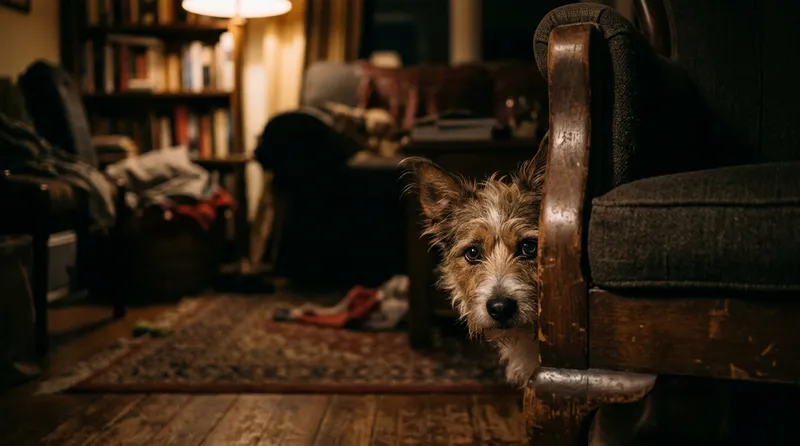
A stressed dog may eat less than usual, eat more quickly and anxiously, or show digestive upset like loose stool. Because these changes can also point to a medical issue, it’s worth ruling out physical causes with a veterinarian rather than assuming stress is automatically the explanation.
Why Catching These Signs Early Matters
Occasional, situational stress — like a nervous moment during a thunderstorm — is normal and usually resolves on its own once the trigger passes. Chronic or frequently repeated stress, on the other hand, can affect a dog’s overall wellbeing over time, and dogs experiencing it often can’t simply “snap out of it” without some help from their owner adjusting the environment or routine.
What You Can Do to Help a Stressed Dog
- Identify the trigger. Keep a simple log of when the signs appear — specific sounds, places, or situations often repeat.
- Create a safe space. A quiet room, crate, or bed your dog can retreat to during overwhelming moments gives them a sense of control.
- Avoid forcing interactions. Let a stressed dog approach new people, animals, or situations at their own pace rather than pushing them forward.
- Talk to your vet about persistent cases. For dogs with chronic, significant anxiety, veterinarians may recommend behavioral strategies or, in some cases, an FDA-approved medication specifically developed for canine anxiety, used only under professional guidance.
- Use a symptom checker when unsure. If stress signs are showing up alongside physical symptoms, our Pet Symptom Checker can help you figure out whether it’s time for a vet visit.
Frequently Asked Questions
Can stress in dogs cause physical illness?
Yes, prolonged stress has been associated with digestive upset and a weakened immune response in dogs, which is part of why catching subtle signs early is valuable.
Is it normal for a dog to show a couple of these signs occasionally?
Yes. Occasional signs during a specific stressful event are normal. It’s frequent, persistent, or worsening patterns that are worth addressing.
Should I comfort my dog when I see these signs, or give them space?
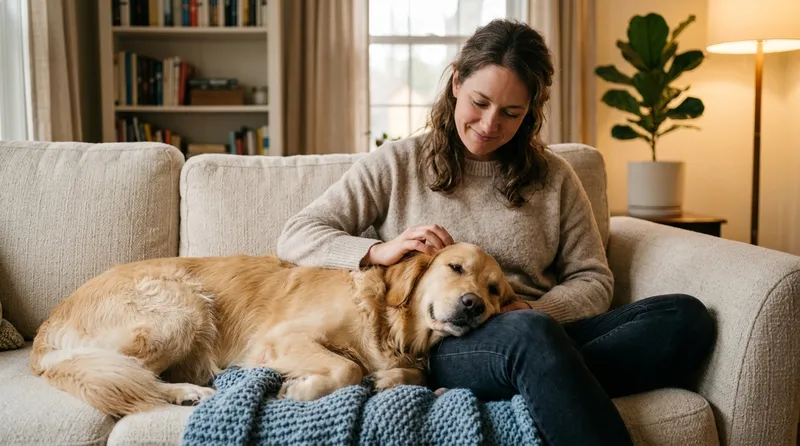
It depends on the dog. Some dogs find calm physical closeness comforting, while others prefer space to self-regulate. Watch how your individual dog responds and follow their lead.
Can training fix stress-related behaviors?
Positive, patient training and gradual exposure to triggers can help many dogs build confidence over time, though severe cases may benefit from working with a certified behaviorist alongside your veterinarian.
The Bottom Line
Dogs are constantly communicating with us through small, easy-to-miss signals, and learning to read them is one of the most valuable skills any dog owner can build. Catching subtle signs of stress in dogs early gives you the chance to step in, adjust the environment, and help your dog feel more secure before things escalate.
If you’re noticing stress signs alongside other symptoms that don’t add up, don’t wait to figure it out on your own — run them through our Pet Symptom Checker and loop in your veterinarian for anything persistent or severe.
Source: U.S. Food and Drug Administration, Center for Veterinary Medicine

**Sidnir Vieira**
Founder of TechHavela
A passionate pet and tech content creator, helping dog owners across the U.S. make smarter decisions for their furry friends.