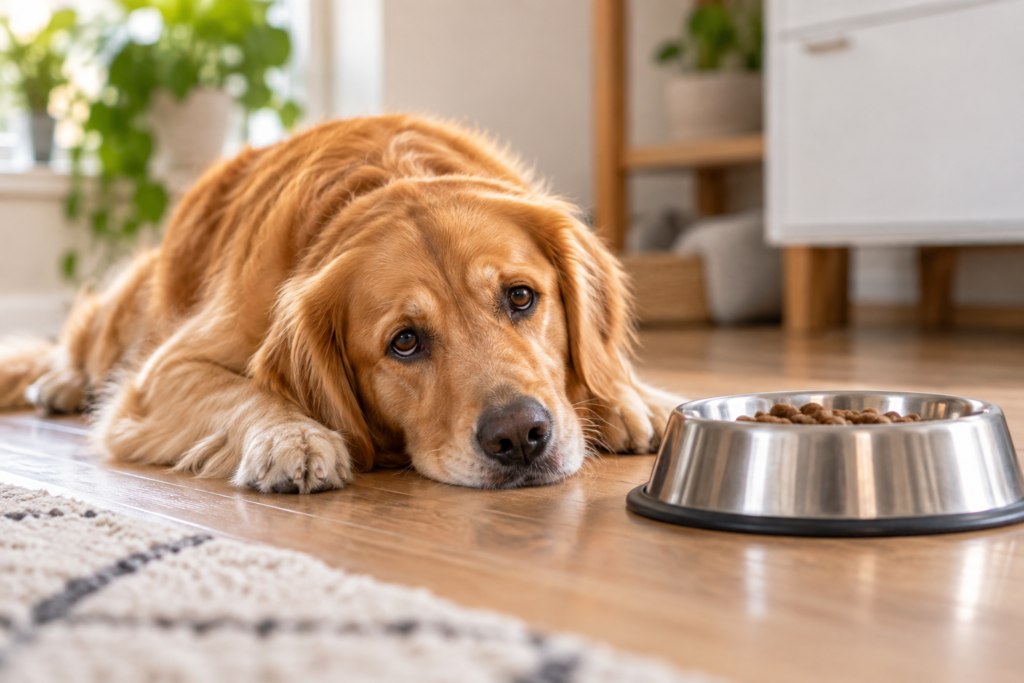
Quick answer: If your dog eats something toxic, call your veterinarian, an emergency clinic or an animal poison control center right away. Do not wait for signs, and do not try to make your dog vomit unless a professional tells you to. Keep the packaging. You can also use our Pet Symptom Checker, which covers dogs and cats.

Who to Call
The ASPCA runs an Animal Poison Control Center that is open 24 hours a day at (888) 426-4435. A consultation fee may apply. The FDA also advises calling your veterinarian, an emergency clinic or an animal poison control center right away if you suspect xylitol, in its article Paws Off Xylitol; It’s Dangerous for Dogs.

When to Go to the Vet Right Away
Go right away if your dog shows signs such as vomiting, weakness, shaking, lack of coordination, trouble breathing or collapse. VCA says that, in these cases, you should skip home steps and go straight to the veterinary hospital, in its guide on what to do if your pet eats something toxic. See also dog emergency signs.

Common Examples
- Chocolate. The ASPCA explains in its page on what to do if your pet gets chocolate that the darker the chocolate, the greater the risk. Signs can include vomiting, diarrhea, panting, tremors and seizures. Check if the candy has other ingredients, such as raisins, macadamia nuts or xylitol.
- Xylitol. The FDA says it can drop a dog’s blood sugar quickly. Signs can appear within 10 to 60 minutes, and some serious effects may not show for many hours. Call even if your dog seems normal.
- Grapes and raisins. VCA explains in its page on grape, raisin and currant poisoning in dogs that the serious risk is kidney damage, and that there is no well-established safe amount. Call even if the amount was small.
For more foods to avoid, read foods dogs can and cannot eat and dog food ingredients to avoid.

What to Do Right Away
- Take your dog away from the item and remove the rest.
- Call a vet or poison control and follow what they say.
- Keep the packaging. It helps identify the product and the amount.
- Do not try to make your dog vomit on your own. VCA says it can be dangerous with some toxins, and your vet should decide.
- Note the time and how much your dog may have eaten.

What the Veterinarian May Do
Your vet or the poison center will ask what and how much your dog ate and may advise treatment at the clinic. Treatment depends on the toxin and your dog’s condition.

How the Pet Symptom Checker Can Help
Our Pet Symptom Checker helps you look up symptoms in dogs and cats and see common reasons and warning signs. It does not diagnose and does not replace a veterinarian. If your dog ate something toxic, call a vet or poison control first.
Why Dogs Eat Things They Should Not
Dogs explore the world with their mouths. Puppies chew to relieve teething, adult dogs scavenge for food, and some dogs eat anything that smells interesting, from the kitchen trash to a handbag left on the floor. Because dogs cannot read labels, the responsibility for keeping them safe falls on us. Most poisonings in dogs happen at home, with everyday items, and many can be prevented with simple habits. Knowing what can be dangerous and acting quickly when something happens can make a real difference.
Common Household Dangers
The lists below are not complete, but they cover items that veterinary poison experts, such as the ASPCA Animal Poison Control Center and the Pet Poison Helpline, frequently mention.
Foods and drinks
- Chocolate and cocoa. Dark chocolate and baking chocolate are more dangerous than milk chocolate.
- Xylitol, a sweetener found in some gum, candy, baked goods and peanut butters. It can be very dangerous even in small amounts.
- Grapes and raisins, which can cause kidney problems in some dogs.
- Onions, garlic, chives and leeks, which can damage red blood cells.
- Macadamia nuts, alcohol, caffeine and raw yeast dough.
Our guides on foods dogs can and cannot eat, fruits and vegetables your dog should not eat and dog food ingredients to avoid give more detail.
Medicines and supplements
- Human pain relievers such as ibuprofen, naproxen and acetaminophen.
- Antidepressants, ADHD medicine, sleeping pills and heart medicine.
- Vitamins, especially those with iron or vitamin D, and some supplements.
- Pet medicines taken in a larger amount than prescribed, such as chewable tablets that dogs find tasty.
Household and garden products
- Rat and mouse poisons, snail bait and insecticides.
- Antifreeze, which has a sweet taste and can be very dangerous.
- Cleaning products, bleach and detergent pods.
- Some plants, such as lilies (more dangerous for cats), sago palm and azaleas, and fertilizers.
- Batteries, which can cause burns, and objects that can block the intestines.
Signs of Poisoning
Signs depend on the substance and can appear within minutes or take hours or days to show. Possible signs include vomiting, drooling, diarrhea, tremors, seizures, weakness, stumbling, a racing or slow heartbeat, trouble breathing, a swollen belly, bleeding, pale gums, changes in urination and unusual behavior. Some poisons, such as certain rodent baits, may cause no signs at first and then lead to serious bleeding days later. This is why you should not wait for symptoms if you know or suspect that your dog ate something dangerous. See also why a dog may vomit and dog emergency signs.
What Information to Have Ready
The faster you can give the right details, the faster the team can act. Try to find out:
- What your dog ate, including the brand and the ingredients, if you can find the packaging.
- How much and when. A rough guess is better than nothing.
- Your dog’s weight, age and health conditions.
- Any signs your dog is showing and when they began.
- Whether you have already done anything, such as giving water or inducing vomiting.
Take a photo of the product label and keep the package. It can help the veterinary team decide how risky the exposure is.
Who to Call
Call your veterinarian or the nearest emergency clinic right away. You can also contact a pet poison control service, such as the ASPCA Animal Poison Control Center or the Pet Poison Helpline. These services are staffed by veterinary toxicology experts and usually charge a consultation fee; the fee is often worth it for fast, expert advice. Ask your clinic which service they recommend where you live, and keep the number in your phone. Outside the United States, ask your local veterinary clinic or university veterinary hospital which poison information service is available.
Why You Should Not Induce Vomiting Without Advice
Many people have heard that you should make a dog vomit after it eats something bad. This advice can be harmful. Some substances, such as strong cleaners, acids and sharp objects, cause more damage when they come back up. Dogs that are drowsy, seizing or have trouble breathing can choke. Home methods, such as salt, can themselves be dangerous. In some cases, a veterinarian will decide that inducing vomiting is the right step and will do it safely, often with a medicine that works for dogs. Do not do it at home unless a veterinarian or poison control specialist tells you to and explains how.
What the Treatment May Include
Treatment depends on the poison, the amount and the time since exposure. The team may induce vomiting if appropriate, give activated charcoal to reduce absorption, give intravenous fluids, control seizures and tremors, protect the stomach and kidneys, give an antidote when one exists and monitor blood tests. Some dogs go home the same day, while others stay for observation. Early treatment often leads to a better outcome, so do not wait to see whether signs appear.
Preventing Accidents
- Keep medicines, vitamins and cleaning products in closed cabinets, out of reach and not just on a counter.
- Use trash cans with lids, and take out food waste promptly.
- Do not feed table scraps without checking what is safe. Read food labels for xylitol.
- Store rat poison and garden products away from pets, or choose pet-safe alternatives.
- Check your yard and your walking route for dangerous plants and discarded food.
- Teach commands such as “leave it” and “drop it,” which can help when your dog picks up something unsafe.
- Be careful during holidays and parties, when chocolate, alcohol, candy and sweets are more common.
Keeping a Pet Emergency Plan
Write down the numbers for your vet, the emergency clinic and a poison control service, and place the list on the fridge. Keep your dog’s weight and medical details in your phone. Teach everyone in the home what to do. In many cases of poisoning, the key difference is how quickly the owner acted. A short, calm call can make all the difference. After any exposure, tell your regular vet so that they can add the event to your dog’s records and help you prevent a repeat.
Special Cases: Chocolate, Xylitol and Rat Poison
Some exposures are especially common or time-sensitive. With chocolate, the risk depends on the type, the amount and the dog’s size. Dark chocolate and baking chocolate contain more of the substances that are toxic to dogs, and even small dogs can be affected by small amounts. With xylitol, signs can include a rapid drop in blood sugar and, in some cases, liver damage, so call right away even if your dog looks fine. With rat and mouse poison, some types interfere with blood clotting, and signs may not appear for days. Bring the package so that the vet knows which type was eaten, since treatment differs.
Plants, Mushrooms and the Garden
Dogs often chew plants on walks or in the garden. Many are harmless, but some can cause serious problems. Wild mushrooms are hard to identify and some are deadly, so keep your dog away from them. Sago palms are highly dangerous, even in small amounts. Bulbs such as tulips and daffodils can irritate the mouth and stomach. If your dog chews a plant you do not know, take a photo of the plant, collect a small sample if you can do it safely and call your vet or poison control. Make a list of the plants in your home and yard and check each one against a trusted pet-safe plant list from your vet or a poison control service.
Swallowed Objects That Are Not Poisonous
Not every emergency from eating something is a poison. Socks, toys, bones, corn cobs, string and fruit pits can block the intestines. Signs include vomiting, not wanting to eat, belly pain, a hunched posture and straining. A blockage often needs surgery or a procedure to remove the object, and waiting can make it worse. If you saw your dog swallow something that is not food, call your vet, even if the object is not toxic. Do not pull out string that is hanging from the mouth or the anus, since it can cut the tissue inside.
Teaching Your Dog to Drop Things
Training can help prevent accidents. To teach “drop it,” offer a treat in exchange for the item your dog is holding. When your dog lets go, say “drop” and reward it. Practice with toys first, then with other objects, always trading for something better. For “leave it,” hold a treat in your closed hand and reward your dog when it stops sniffing at your hand. Practice daily in short sessions. These commands can protect your dog when you cannot get to it in time.
Frequently Asked Questions
Should I make my dog vomit?
Not on your own. VCA says it can be dangerous with some toxins. Ask a professional.
What if my dog seems fine?
Still call. The FDA notes that xylitol effects can be delayed, and VCA says grape poisoning can show up later.
What should I tell the vet?
Say what your dog ate, how much, when and your dog’s weight, and bring the packaging.
Does poison control cost money?
The ASPCA says a consultation fee may apply.
Final Thoughts
When a dog eats something toxic, time matters. Call for help right away, keep the packaging and follow professional advice.
This article is for general education only. It does not diagnose any condition and does not replace advice from your veterinarian.

Sidnir Vieira is the founder of TechHavela. A lifelong pet owner who had a dog for many years and now lives with a cat, he writes educational guides that help owners understand symptoms and know when to call the vet. TechHavela’s articles are based on veterinary sources and are not reviewed by a veterinarian.