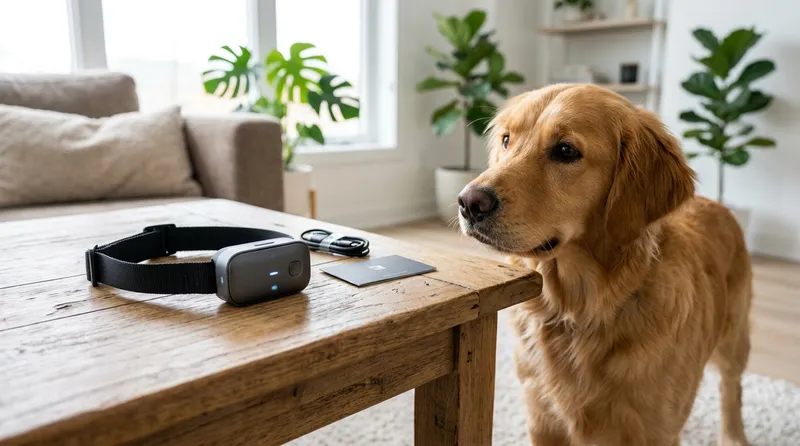
Why Every Dog Owner Needs a Smart Collar in 2025
Choosing the best smart dog collar 2025 has to offer starts with understanding what these devices actually do. A decade ago, a dog collar’s only job was holding a tag and clipping to a leash. Today, the best smart dog collar options combine GPS tracking, activity monitoring, escape alerts, and even early indicators of changes in behavior that might be worth mentioning to a vet. For owners who’ve ever panicked over a missing dog or wondered whether their pup is really getting enough exercise, the appeal is obvious.
What the Best Smart Dog Collar 2025 Models Actually Do
Most smart collars on the market today combine a few core features: real-time GPS location tracking, a virtual “safe zone” that triggers an alert if your dog wanders outside it, activity and sleep tracking similar to a human fitness tracker, and in some models, temperature or heart rate monitoring.
The GPS feature alone has become the most commonly cited reason owners buy a smart collar — a lost dog is one of the most stressful experiences a pet owner can have, and knowing exactly where to look cuts that stress dramatically.

Activity Tracking: More Useful Than It Sounds
Beyond location, activity tracking gives owners a genuinely useful health data point. A sudden drop in a dog’s daily activity level, visible in an app rather than just “felt” anecdotally, can be an early signal worth mentioning at the next vet visit — sometimes before more obvious symptoms appear.
Smart Collars Are Not a Substitute for Veterinary Care
It’s worth being clear about what these devices can and can’t do. A smart collar is not FDA-regulated medical equipment, and none of the consumer trend data or activity metrics it collects should be used to diagnose a condition or replace a veterinary exam. If a collar’s data shows a real behavior change, the right next step is a vet visit, not a home diagnosis based on an app.
For dogs on prescribed medication, some owners find collar-linked reminder apps helpful for staying on schedule, but the FDA’s Center for Veterinary Medicine emphasizes that all prescription medication decisions and dosing should come directly from a licensed veterinarian, never from a consumer app or gadget.

How to Choose the Best Smart Dog Collar for Your Situation
- Battery life. GPS tracking drains battery fast; look for realistic multi-day battery life, not just marketing claims.
- Subscription costs. Many GPS collars require an ongoing data plan — factor that into the real annual cost, not just the upfront price.
- Fit and comfort. A bulky unit on a small dog can cause chafing or discomfort; check weight and sizing guidance carefully.
- Waterproofing. If your dog swims or lives somewhere rainy, a genuinely waterproof rating (not just splash-resistant) matters.
- Cellular vs. Bluetooth range. Cellular-based trackers work almost anywhere; Bluetooth-only options are cheaper but only useful within a limited range of your phone.

Smart Collar Types at a Glance
| Type | Best For | Tradeoff |
|---|---|---|
| Cellular GPS tracker | Owners wanting real-time location anywhere | Requires monthly subscription |
| Bluetooth tracker | Budget-conscious owners, mostly indoor/yard dogs | Limited range, no subscription needed |
| Activity-only tracker | Owners focused on fitness/health trends | No location tracking included |
| All-in-one smart collar | Owners wanting GPS + health data combined | Higher upfront and ongoing cost |
Why 2025 Models Are a Real Step Up
The best smart dog collar 2025 buyers can find looks noticeably different from what was available even two or three years ago. Battery life has improved substantially on most cellular models, false-alarm rates on safe-zone alerts have dropped as GPS accuracy improved, and several brands now offer subscription tiers that let owners pay only for the features they actually use instead of one expensive bundle. Comparing older reviews to current models can be misleading for exactly this reason — a collar that had complaints about battery life or accuracy a couple of years ago may have addressed those issues in its newest version.
Frequently Asked Questions
Do smart collars work without cell service?
Cellular models rely on network coverage, so remote areas with no signal will limit real-time tracking; Bluetooth models depend on proximity to your phone regardless of cell coverage.
Can a smart collar replace a regular ID tag?
No — a physical ID tag is a low-tech backup that works even if a device loses battery or signal, so most trainers recommend keeping both.
Are smart collars safe for puppies?
Many brands set minimum weight or age requirements; check the manufacturer’s guidance and prioritize comfort and proper fit over features for a growing puppy.
Should I trust the health metrics as medical data?
Treat them as a general trend indicator, not a diagnostic tool — any concerning pattern is worth discussing with your veterinarian rather than acting on alone.

A Helpful Tool, Not a Replacement for Good Care
The best smart dog collar 2025 has to offer genuinely adds peace of mind and useful data, but it works best as one part of attentive ownership, not a substitute for regular vet visits, real supervision, and knowing your dog’s normal habits well enough to notice when something’s off.
If your dog’s activity tracker shows a sudden change or you notice symptoms that concern you, run them through our Pet Symptom Checker and follow up with your veterinarian.
Source: U.S. Food and Drug Administration, Center for Veterinary Medicine

**Sidnir Vieira**
Founder of TechHavela
A passionate pet and tech content creator, helping dog owners across the U.S. make smarter decisions for their furry friends.