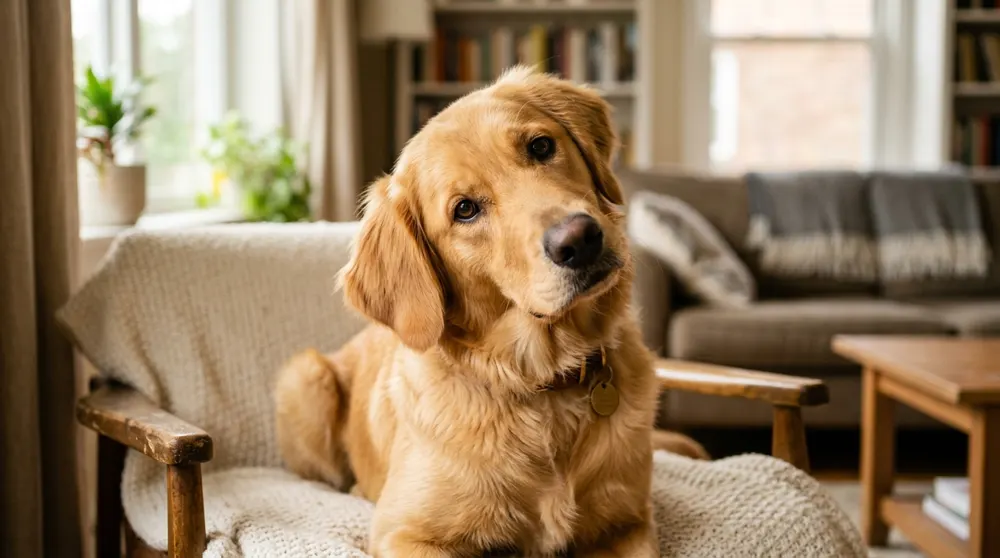
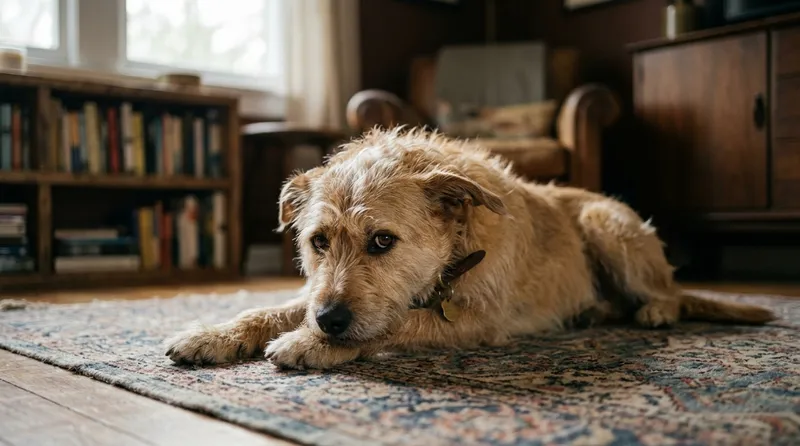
7 Genius Hacks to Keep Your Dog Happy When You’re Not Home
Learning how to keep dog happy home alone starts with accepting one thing: that guilty feeling when you grab your keys and your dog’s ears drop is real, and so is the stress many dogs feel once the door closes. The goal isn’t avoiding ever leaving the house; it’s setting up the hours you’re gone so your dog experiences them as calm downtime instead of anxious waiting.
Why Alone Time Is Harder for Dogs Than We Assume
Dogs are social animals, and for many, being left alone triggers a low hum of stress even when there’s no full-blown separation anxiety involved. Pacing, excessive barking, destructive chewing, or accidents in the house are common signs that alone time isn’t landing the way you’d hope. The good news is that most dogs respond well to a handful of practical changes, and you don’t need to overhaul your whole routine to see a difference.
How to Keep Dog Happy Home Alone: 7 Practical Hacks
1. Front-Load Physical Activity
A dog with pent-up energy is far more likely to spend alone time anxious or destructive. A brisk walk, a game of fetch, or even ten minutes of tug before you leave burns off the restlessness that otherwise turns into pacing at the window.

2. Use Food Puzzles Instead of a Plain Bowl
Swapping a regular food bowl for a puzzle feeder or a stuffed food toy turns mealtime into a job that takes real mental effort. This is one of the simplest ways to keep dog happy home alone, since a dog working for food is a dog that’s occupied, not anxious.
When filling puzzle toys, stick to ingredients you already know are safe for your dog and appropriate portions relative to their regular meals — treats and stuffed toppings add up quickly, and the FDA’s Center for Veterinary Medicine notes that pet obesity, often driven by uncounted treat calories, remains one of the more overlooked pet health issues in the U.S.
3. Practice Departures That Don’t Feel Like a Big Deal
Making a huge fuss over goodbyes actually teaches dogs that your leaving is a significant event worth being anxious about. Calm, low-key departures (and equally calm returns) help your dog learn that you coming and going is simply routine, not a crisis.
4. Create a Predictable “Safe Zone”
A consistent spot — a crate, a specific room, or a designated bed — gives a dog somewhere to settle rather than roaming the house looking for you. Dogs generally find predictability calming, and a defined space reinforces that alone time has a clear, familiar shape.

5. Leave Background Noise On
Complete silence can make every outside sound (a car door, a delivery, a neighbor’s dog) startling and amplified. Leaving a TV, radio, or white noise machine on at low volume masks sudden sounds and can meaningfully reduce reactive barking.
6. Rotate Toys So Nothing Gets Boring
A toy that’s always available loses its novelty fast. Keeping a rotation — only a few toys out at a time, swapped every few days — keeps the same toys feeling fresh and interesting instead of ignored.

7. Consider a Midday Break for Longer Absences
For workdays longer than 6-8 hours, a midday walk from a trusted friend, family member, or dog walker breaks up the stretch and gives your dog a chance to relieve themselves and reset before the second half of the day.
Building a Routine Your Dog Can Predict
Beyond the individual hacks, the single biggest factor in whether a dog handles alone time well is predictability. Dogs thrive on routine far more than most owners realize, and a dog who knows roughly what to expect each day — wake, walk, breakfast, quiet time, your departure, more quiet time, your return — tends to settle into that rhythm with far less anxiety than a dog whose schedule shifts constantly.
If your schedule genuinely varies day to day, try to keep the moments right around your departure as consistent as possible, even if the exact time changes. A dog who always gets a short walk and a stuffed toy right before you leave, regardless of what time that happens to be, still gets the predictability benefit.
Signs the Hacks Aren’t Enough
Some dogs experience true separation anxiety, which goes beyond boredom and requires a different approach entirely. Watch for:
- Destructive behavior focused specifically on doors or windows
- Injuries from attempting to escape a crate or room
- Excessive drooling, panting, or vomiting tied specifically to your departure
- Barking or howling that starts the moment you leave and doesn’t taper off
If these sound familiar, a veterinary behaviorist or certified trainer can help, since true separation anxiety often needs a structured desensitization plan rather than environmental tweaks alone.

Frequently Asked Questions
How long can I safely leave my dog home alone?
Most healthy adult dogs handle 4-6 hours reasonably well with proper setup; puppies, senior dogs, and dogs with medical conditions typically need shorter stretches.
Do food puzzles work for every dog?
Most dogs take to them quickly, though very anxious dogs may need an easier puzzle at first to build confidence before moving to more challenging versions.
Is it bad to leave the TV or radio on all day?
No — low background noise is generally a helpful, low-cost tool, not something to worry about overusing.
Can crate training help with alone-time stress?
For many dogs, yes, since a properly introduced crate becomes a den-like safe space rather than a punishment, but it should never be used as the sole solution for genuine separation anxiety.
Small Changes, Calmer Days
You don’t need an elaborate setup to keep dog happy home alone — just a few consistent habits that turn empty hours into predictable, low-stress downtime. Start with one or two changes, watch how your dog responds, and build from there.
If your dog shows signs that go beyond normal alone-time restlessness, run the symptoms through our Pet Symptom Checker and talk to your veterinarian. For more on keeping your dog engaged day to day, see our guide on signs of intelligence in pets.
Source: U.S. Food and Drug Administration, Center for Veterinary Medicine

**Sidnir Vieira**
Founder of TechHavela
A passionate pet and tech content creator, helping dog owners across the U.S. make smarter decisions for their furry friends.