
Raw vs. Kibble: The Diet Debate That Could Change Your Dog’s Health
Few topics spark as much passionate debate among dog owners as what actually belongs in the bowl. The raw diet vs kibble for dogs conversation has been going on for years, with strong opinions on both sides and no shortage of conflicting information online. The truth is more nuanced than either camp usually admits, and understanding the real tradeoffs can help you make a more informed choice for your own dog.
The Case for Kibble
Commercial kibble remains the most widely fed option for a reason. Reputable brands formulate their recipes to meet established nutritional standards for complete and balanced dog nutrition, meaning a quality kibble is designed to cover a dog’s needs without additional supplementation. Kibble is also shelf-stable, convenient, generally more affordable than raw feeding, and comes with a long track record of research behind it.
The tradeoff is that kibble undergoes more processing than a fresh diet, and quality varies enormously between brands, which is why reading ingredient labels and choosing recipes appropriate for your dog’s life stage matters.

The Case for Raw Diets
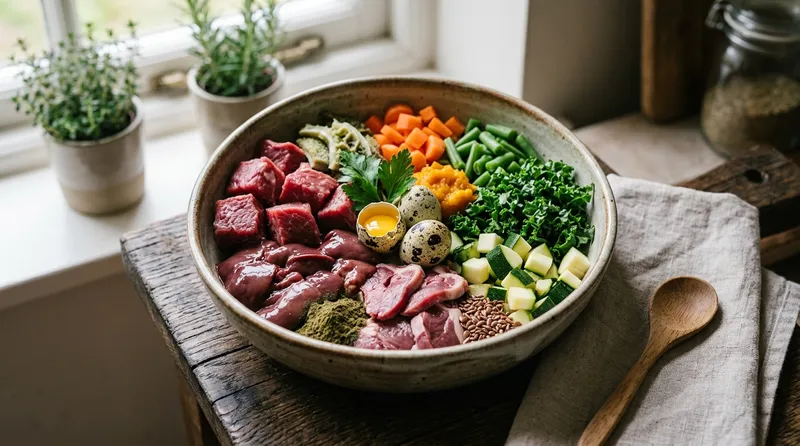
Advocates of raw feeding point to potential benefits like improved coat condition, smaller stool volume, and a diet that more closely resembles what a dog’s ancestors would have eaten. Some owners also appreciate having full control over exactly what ingredients go into each meal.
However, raw feeding requires careful planning to avoid nutritional imbalances, since simply feeding raw meat without the right ratio of organs, bone, and supplements can leave gaps in essential nutrients over time.
The Safety Concern Most Owners Underestimate
This is where the debate gets serious. Raw meat, whether intended for humans or pets, can carry harmful bacteria like Salmonella and Listeria. The FDA’s Center for Veterinary Medicine has specifically flagged raw pet food as a food safety concern, noting that these pathogens can make pets sick and can also be transmitted to the humans handling the food, particularly children, older adults, and anyone with a weakened immune system.
This doesn’t mean raw feeding is inherently unsafe when done with strict food safety practices, but it does mean the risk is real and worth taking seriously, not dismissing as pet-food industry scare-mongering.

How to Reduce Risk If You Choose Raw
- Source carefully. Use meat intended for raw feeding from reputable suppliers with proper handling and storage practices.
- Practice strict hygiene. Wash hands, bowls, and surfaces thoroughly after handling raw meat, just as you would for raw meat prepared for human meals.
- Freeze appropriately. Proper freezing can reduce (though not eliminate) certain parasite risks, depending on the meat source.
- Work with a vet nutritionist. A board-certified veterinary nutritionist can help ensure a raw diet is nutritionally complete, not just fresh.
- Avoid raw feeding for immunocompromised households. If anyone in the home has a weakened immune system, the added bacterial risk may not be worth it.
Raw Diet vs kibble for Dogs: Quick Comparison
| Factor | Kibble | Raw Diet |
|---|---|---|
| Convenience | High — shelf-stable, pre-measured | Lower — requires prep, storage, planning |
| Cost | Generally lower | Generally higher |
| Nutritional balance out of the bag | Formulated to be complete | Requires careful formulation to avoid gaps |
| Food safety risk | Lower bacterial risk (processed) | Higher risk of Salmonella/Listeria contamination |
| Shelf life | Long | Short, requires refrigeration or freezing |
What About Freeze-Dried or Gently Cooked Options?
For owners drawn to the appeal of raw feeding but concerned about the bacterial risks, freeze-dried and gently cooked commercial diets have become a popular middle ground. These options aim to preserve more nutrients than traditional kibble processing while reducing (though again, not always fully eliminating) some of the pathogen risks associated with fully raw meat.
Frequently Asked Questions
Is raw food actually more nutritious than kibble?
Not automatically. A poorly balanced raw diet can be less nutritionally complete than a well-formulated kibble, despite being “fresher.” Nutritional completeness depends on formulation, not just ingredient freshness.
Can I mix raw and kibble?
Some owners do combine feeding styles, though it’s worth discussing with your veterinarian to ensure the overall diet remains balanced and to understand any added food safety considerations.
Is grain-free automatically healthier?
Not necessarily, and this applies to both raw and kibble diets. Grain-free isn’t inherently better for most dogs, and any major diet change is worth discussing with your vet.
How do I know if a diet change is upsetting my dog’s stomach?
Watch for vomiting, diarrhea, or appetite changes when transitioning foods, and always transition gradually over a week or more rather than switching overnight.
The Bottom Line
There’s no single right answer in the raw diet vs kibble for dogs debate — both approaches can support a healthy dog when done thoughtfully, and both come with tradeoffs worth understanding honestly rather than choosing based on trends alone. Food safety, nutritional completeness, and your own household’s circumstances should all factor into the decision.
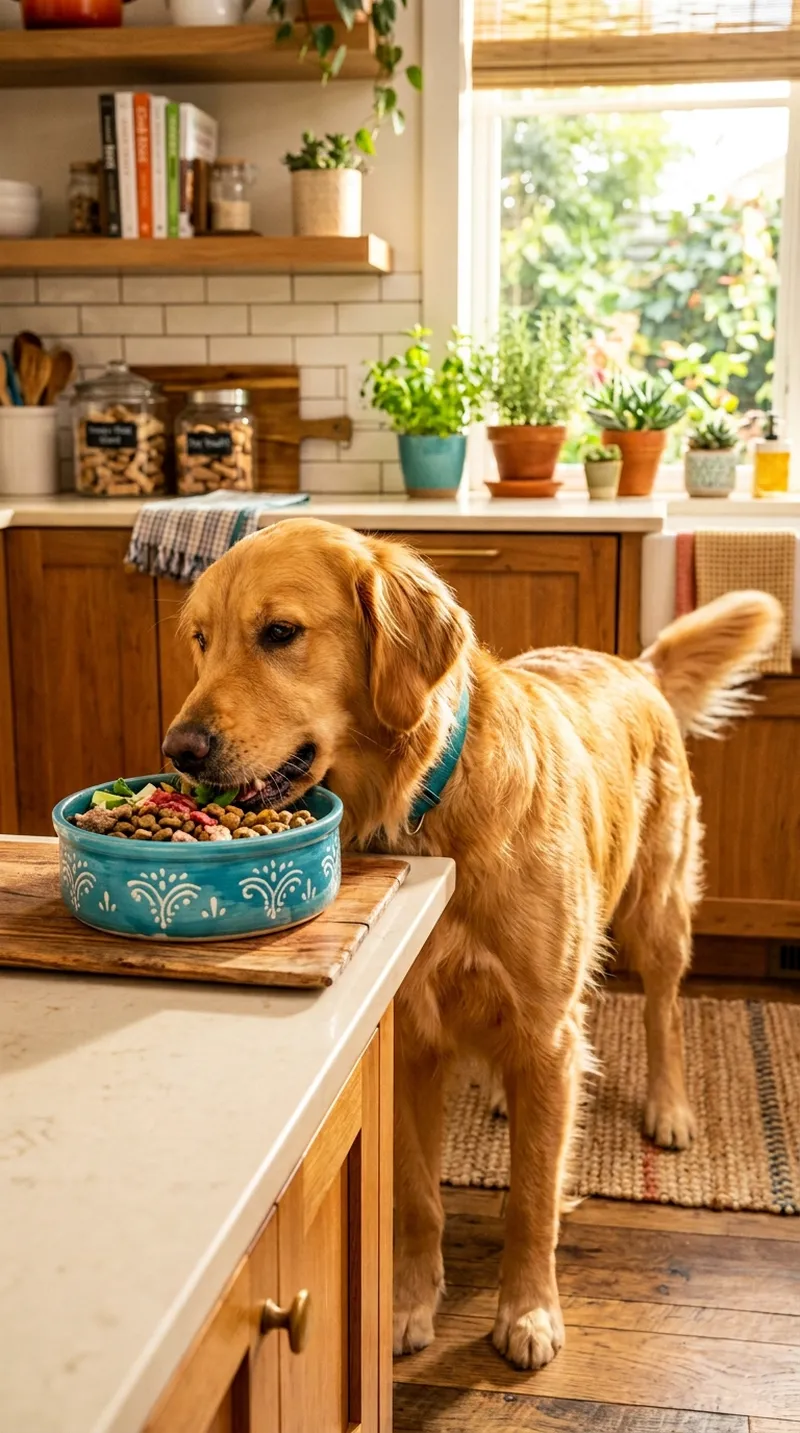
If your dog shows any signs of digestive upset after a diet change, don’t guess — run the symptoms through our Pet Symptom Checker and check in with your veterinarian.
Source: U.S. Food and Drug Administration, Center for Veterinary Medicine

**Sidnir Vieira**
Founder of TechHavela
A passionate pet and tech content creator, helping dog owners across the U.S. make smarter decisions for their furry friends.
