
Wet vs Dry Cat Food: The Ultimate Guide to Your Cat’s Diet
Walk down any pet food aisle and you’ll find two very different worlds: shelf-stable bags of kibble and stacks of small, single-serving cans and pouches. The wet vs dry cat food debate isn’t just about preference — each option comes with real tradeoffs in hydration, dental health, cost, and convenience that are worth understanding before you settle on one approach for your cat.
The Case for Wet Food
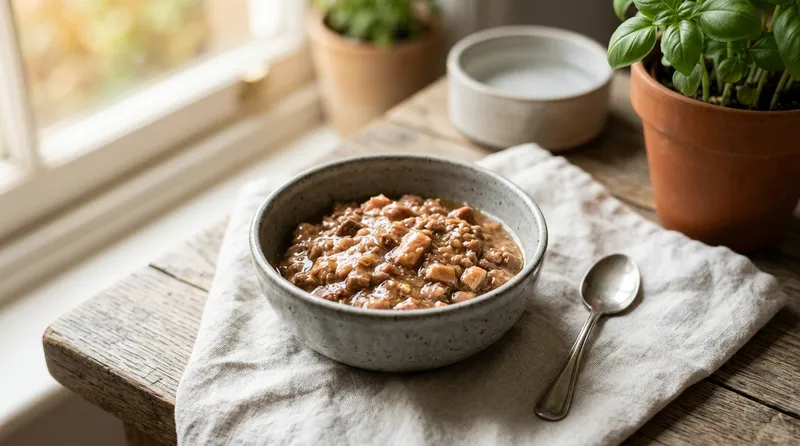
Wet cat food typically contains around 70-80% moisture, compared to roughly 10% in dry kibble. Because cats evolved as desert-dwelling animals with a naturally low thirst drive, many don’t drink enough water on their own to stay optimally hydrated on a dry-food-only diet. Wet food helps close that gap, which is part of why many veterinarians recommend at least some wet food, especially for cats prone to urinary tract issues or kidney disease.
Wet food is also generally higher in protein and lower in carbohydrates relative to calorie content, which aligns closely with a cat’s biological status as an obligate carnivore.
The Case for Dry Food
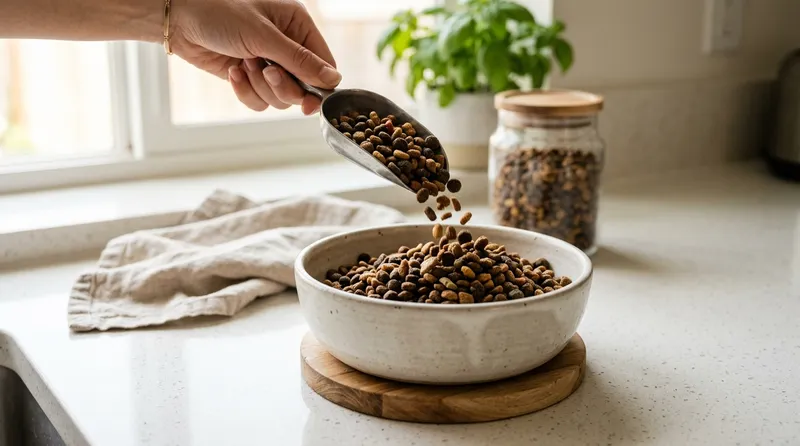
Kibble’s biggest advantages are convenience, cost, and shelf stability. It can sit out longer without spoiling, making it practical for free-feeding or busy households, and it’s generally more budget-friendly per calorie than wet food. Some dry formulas are also designed with a texture intended to help reduce tartar buildup through the mechanical action of chewing, though this benefit is often smaller than marketing suggests.
The Hydration Factor: Why It Matters More Than You’d Think
Chronic mild dehydration from a dry-food-only diet has been linked to a higher risk of urinary tract issues and may contribute to kidney strain over a cat’s lifetime, since cats fed primarily dry food often don’t fully compensate by drinking extra water on their own. This is one of the most consistently cited reasons vets recommend incorporating at least some wet food into a cat’s diet, particularly for cats with a history of urinary issues.
Wet vs Dry Cat Food: Quick Comparison
| Factor | Wet Food | Dry Food |
|---|---|---|
| Moisture content | ~70-80% | ~10% |
| Cost per calorie | Generally higher | Generally lower |
| Shelf life once opened | Short, needs refrigeration | Long, stays fresh longer |
| Hydration support | Strong | Weak on its own |
| Convenience for free-feeding | Limited | High |
Can You Mix Wet and Dry?
Yes, and many veterinarians consider a mixed approach a practical middle ground, combining the hydration benefits of wet food with the convenience and cost savings of dry food. The key is ensuring the overall diet, across both types, remains nutritionally complete and balanced for your cat’s life stage.
Reading Labels the Right Way
Whichever you choose, look for a statement confirming the food meets established nutritional standards for a complete and balanced feline diet, appropriate to your cat’s life stage (kitten, adult, or senior). The FDA’s Center for Veterinary Medicine also encourages pet owners to check for recall notices periodically, since pet food recalls due to contamination or labeling issues do happen and are announced publicly for consumer safety.
Frequently Asked Questions
Is wet food always better for cats?
Not universally, but the added moisture offers real health benefits for most cats, particularly those prone to urinary or kidney issues. A quality dry food can still be part of a healthy diet, especially when paired with good hydration habits.
Will dry food alone dehydrate my cat?
Not necessarily, but many cats on dry-food-only diets don’t drink enough extra water to fully compensate, which is why a water fountain or some wet food is often recommended.
Does wet food cause more dental problems than dry food?
The dental benefits of dry food are often overstated. Regular dental care, like brushing or vet-approved dental treats, matters more for oral health than food texture alone.
How do I switch my cat from dry to wet food?
Transition gradually over one to two weeks, mixing increasing amounts of the new food with the old to avoid digestive upset, and watch for any signs of food refusal along the way.
The Bottom Line
There’s no single “winner” in the wet vs dry cat food debate — the right choice depends on your cat’s health history, your budget, and your household’s routine. For many cats, a thoughtful combination of both offers the best of hydration support and practical convenience.
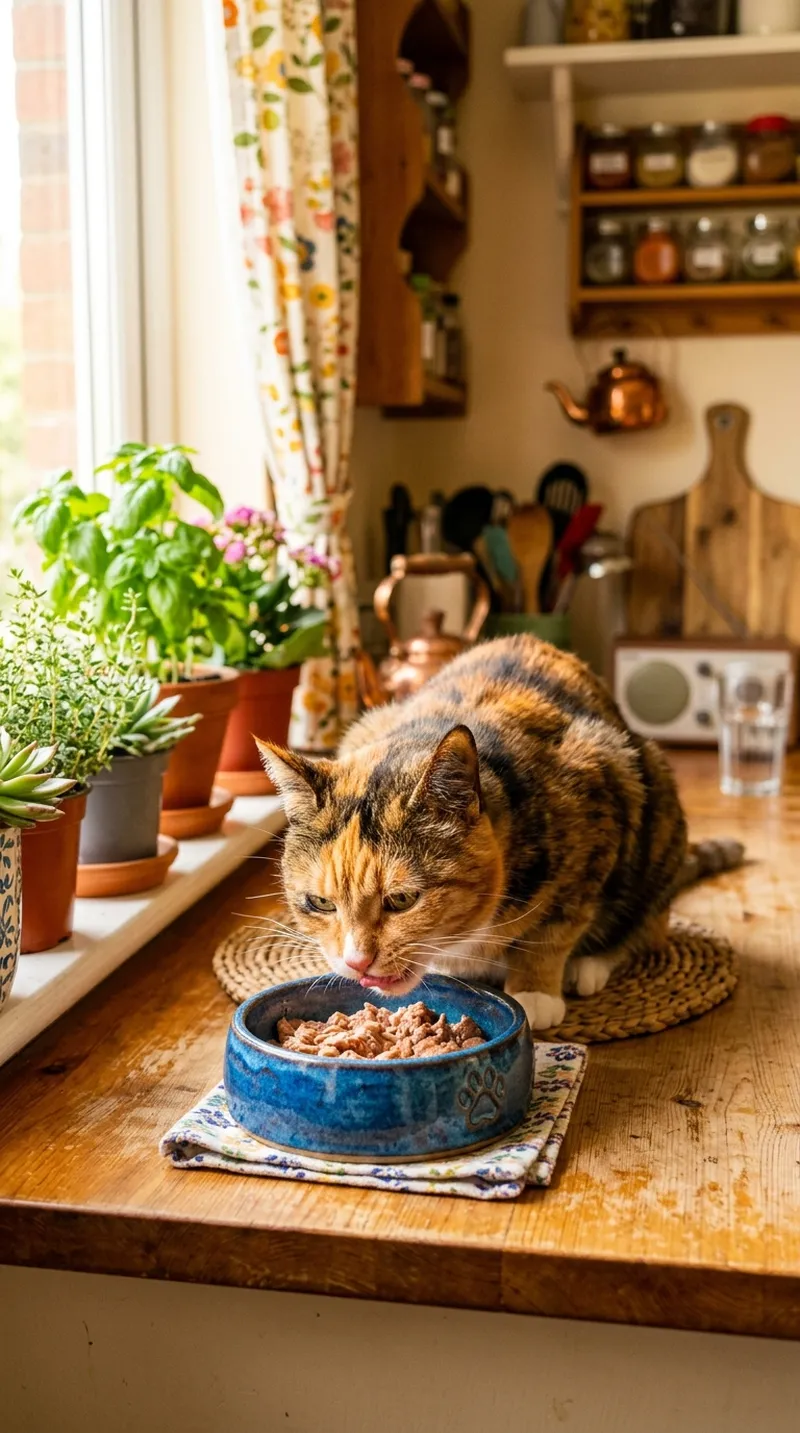
If your cat shows any signs of digestive upset, appetite changes, or urinary symptoms after a diet change, don’t guess — run them through our Pet Symptom Checker and follow up with your veterinarian.
Source: U.S. Food and Drug Administration, Center for Veterinary Medicine

**Sidnir Vieira**
Founder of TechHavela
A passionate pet and tech content creator, helping dog owners across the U.S. make smarter decisions for their furry friends.