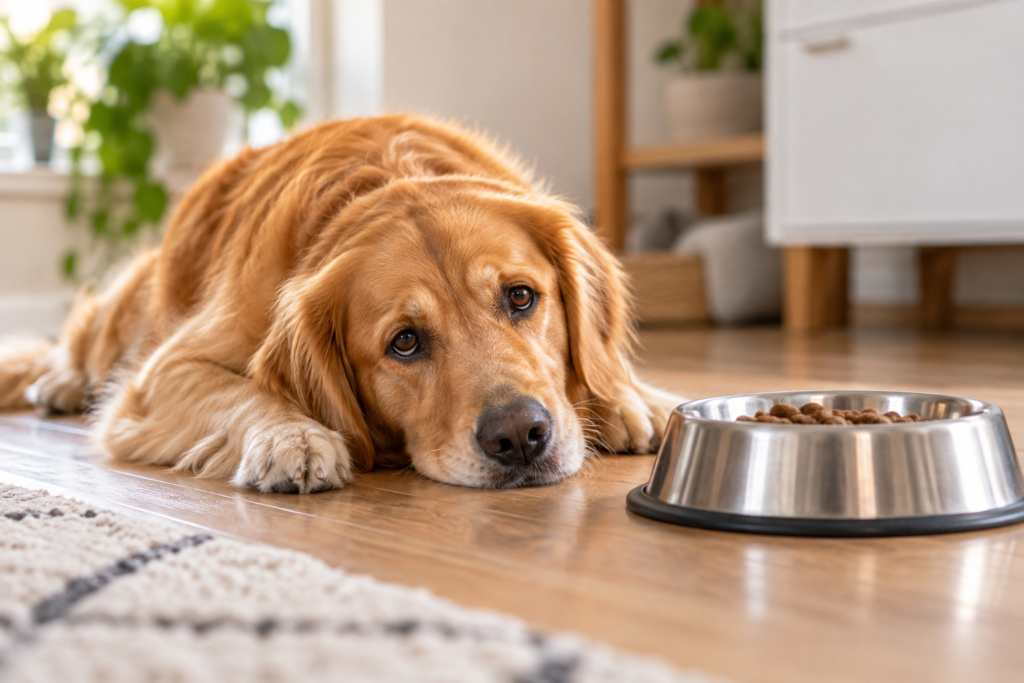
Why Is My Dog Panting So Much? Common Causes and Warning Signs
Panting is completely normal for dogs in many situations. After running, playing, spending time outdoors on a warm day, or becoming excited, your dog may open their mouth, extend their tongue, and breathe more rapidly to release excess body heat.
But what if the panting seems excessive?
If you are wondering “why is my dog panting so much?”, the answer depends on what was happening before the panting started, how long it lasts, whether your dog is resting or active, and whether other symptoms are present.
A dog that pants after playing outside and quickly returns to normal is very different from a dog that suddenly begins panting heavily while lying quietly in a cool room.
Excessive panting can sometimes be related to heat, exercise, excitement, stress, or fear. In other situations, unusual panting may occur with pain, breathing problems, cardiovascular disease, metabolic conditions, medication effects, or other health problems.
The key is knowing what is normal for your dog and recognizing when the pattern changes.
If panting is occurring together with other changes such as shaking, weakness, vomiting, appetite loss, or unusual behavior, you can also use our Pet Symptom Checker to review the symptoms you are noticing and organize useful information to discuss with your veterinarian.
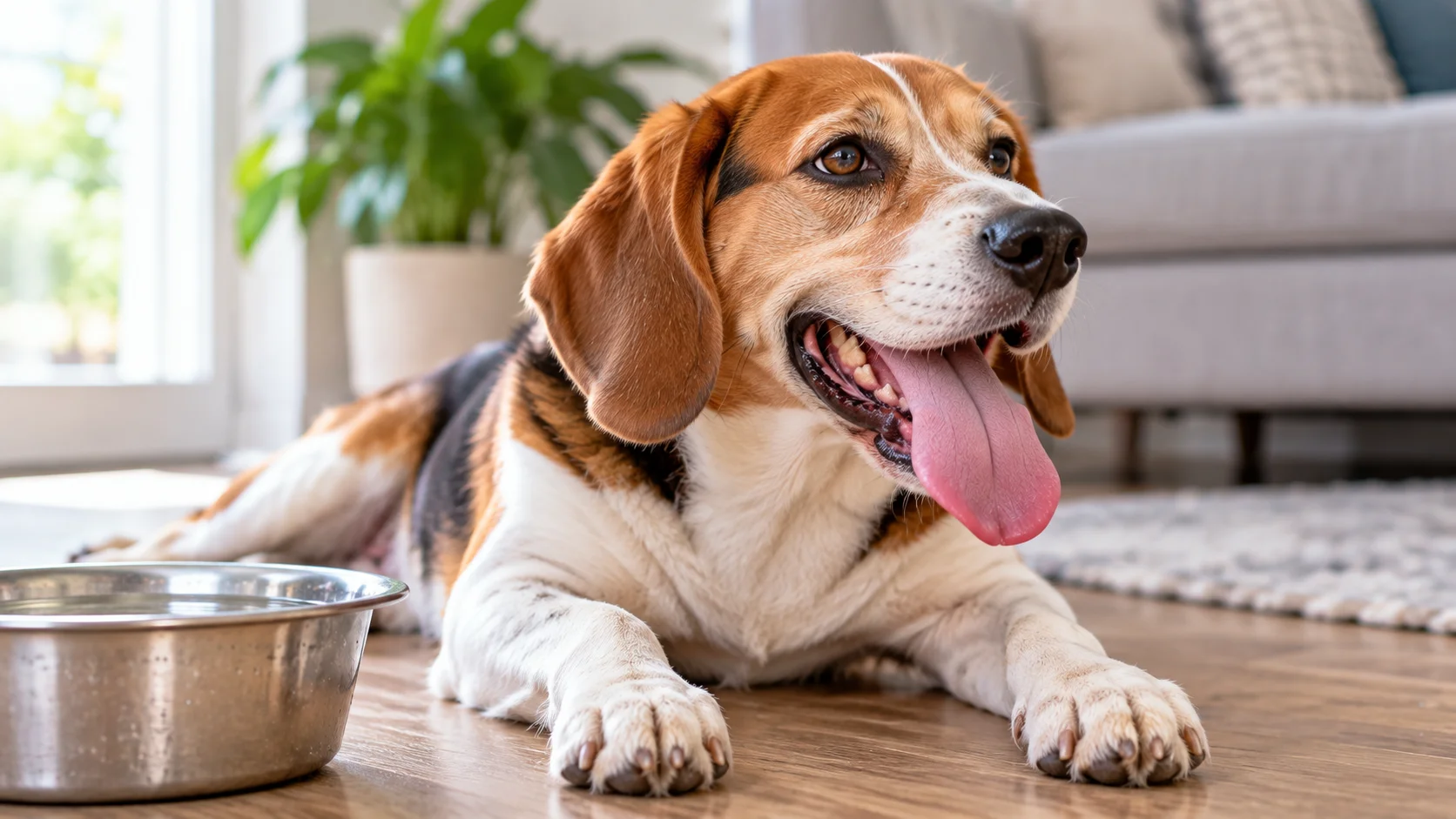
Why Do Dogs Pant?
Dogs use panting as an important way to regulate body temperature.
Unlike people, dogs do not rely on widespread sweating across their skin to cool themselves. The Merck Veterinary Manual explains that dogs primarily cool themselves through panting.
As your dog pants, evaporation from the mouth, tongue, and respiratory tract helps remove heat.
This is why panting commonly increases after exercise or when the weather is warm.
Normal panting may also occur when a dog is excited, nervous, or temporarily stressed.
For example, some dogs pant during:
- Car rides
- Veterinary visits
- Play
- Exercise
- Warm weather
- Exciting events
- Unfamiliar situations
- Thunderstorms or other stressful events
The presence of panting alone does not necessarily mean something is wrong.
The important question is whether the panting makes sense in the situation and whether it settles when the trigger disappears.
When Is Dog Panting Considered Excessive?
There is no single amount of panting that is normal for every dog.
Breed, age, body size, physical condition, temperature, activity level, excitement, and individual differences can all affect how much a dog pants.
Instead of comparing your dog with another dog, compare the behavior with your dog’s usual pattern.
You may have more reason to pay attention when panting:
- Appears without an obvious reason
- Happens while your dog is resting
- Is much heavier than usual
- Continues after your dog has cooled down and rested
- Begins suddenly
- Regularly wakes your dog at night
- Is accompanied by pacing or restlessness
- Occurs with coughing or unusual breathing sounds
- Appears together with weakness, shaking, vomiting, or appetite changes
The VCA Animal Hospitals also notes that excessive panting at rest can occur in dogs experiencing pain.
That does not mean every panting dog is in pain. It means the surrounding circumstances and additional symptoms matter.
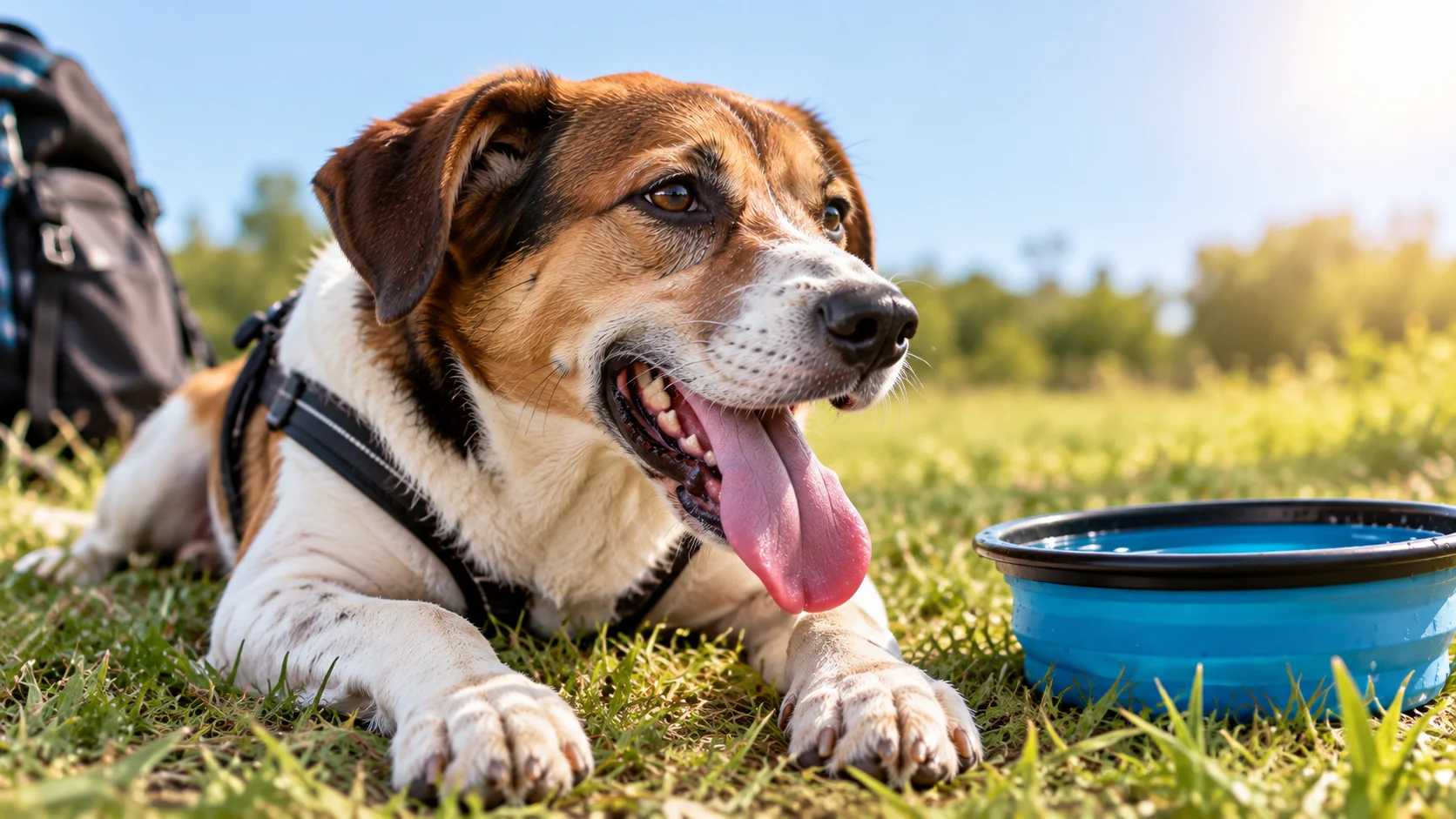
Why Is My Dog Panting So Much? Common Causes
Several normal and medical situations can increase panting.
1. Heat and Body Temperature Regulation
Warm temperatures are among the most common explanations.
Dogs rely heavily on panting to release excess body heat. This means a dog may pant considerably more after spending time outside during warm weather.
However, there is an important difference between normal cooling and dangerous overheating.
According to Cornell University’s College of Veterinary Medicine, heavy panting can be an early sign of overheating. Continued excessive panting accompanied by problems such as difficulty breathing, vomiting, weakness, confusion, or collapse can indicate heatstroke and requires immediate veterinary attention.
Dogs at increased risk include short-muzzled breeds, older dogs, overweight dogs, and dogs with certain heart or respiratory problems.
Never leave a dog unattended in a parked vehicle, even when the outside temperature does not seem extremely hot.
2. Exercise
Panting after running, playing, hiking, or other physical activity is usually expected.
Working muscles produce heat, and panting helps the body manage the increased temperature.
The Merck Veterinary Manual explains that panting increases during prolonged exercise as the body works to eliminate excess heat.
The pattern after exercise matters.
Panting should gradually decrease as your dog rests and cools down.
If your dog begins panting heavily after minimal activity, has much less exercise tolerance than usual, becomes weak, or has difficulty recovering, tell your veterinarian.
3. Excitement
Not all panting is related to temperature.
Some dogs pant when they become extremely excited.
You might notice it when you pick up the leash, visitors arrive, your dog anticipates a car ride, or you return home.
Panting caused by excitement generally decreases as the dog becomes calmer.
4. Stress, Fear, or Anxiety
Stress can also trigger panting.
VCA Animal Hospitals explains that dogs may pant when they are hot, excited, or stressed and notes that panting without recent exercise can occur during stress.
Other behavioral clues may include pacing, tucked posture, lip licking, changes in the ears and eyes, or an inability to settle.
The context can provide an important clue.
Panting that starts during fireworks, thunderstorms, travel, a veterinary visit, or another stressful situation may have a behavioral component.
However, do not automatically assume unexplained panting is anxiety. Medical conditions can produce similar behavior.
5. Pain or Discomfort
Pain does not always make a dog cry or whimper.
Some dogs become restless, have difficulty sleeping, change posture, stop playing, eat less, or pant excessively.
This is particularly important when a dog begins panting while resting in a comfortable environment.
Look for other changes such as limping, reluctance to jump, difficulty standing, sensitivity to touch, appetite changes, or unusual posture.
If your dog is also physically weak or having difficulty standing, see our guide Why Is My Dog Weak? Common Causes and Warning Signs for additional signs to watch for.
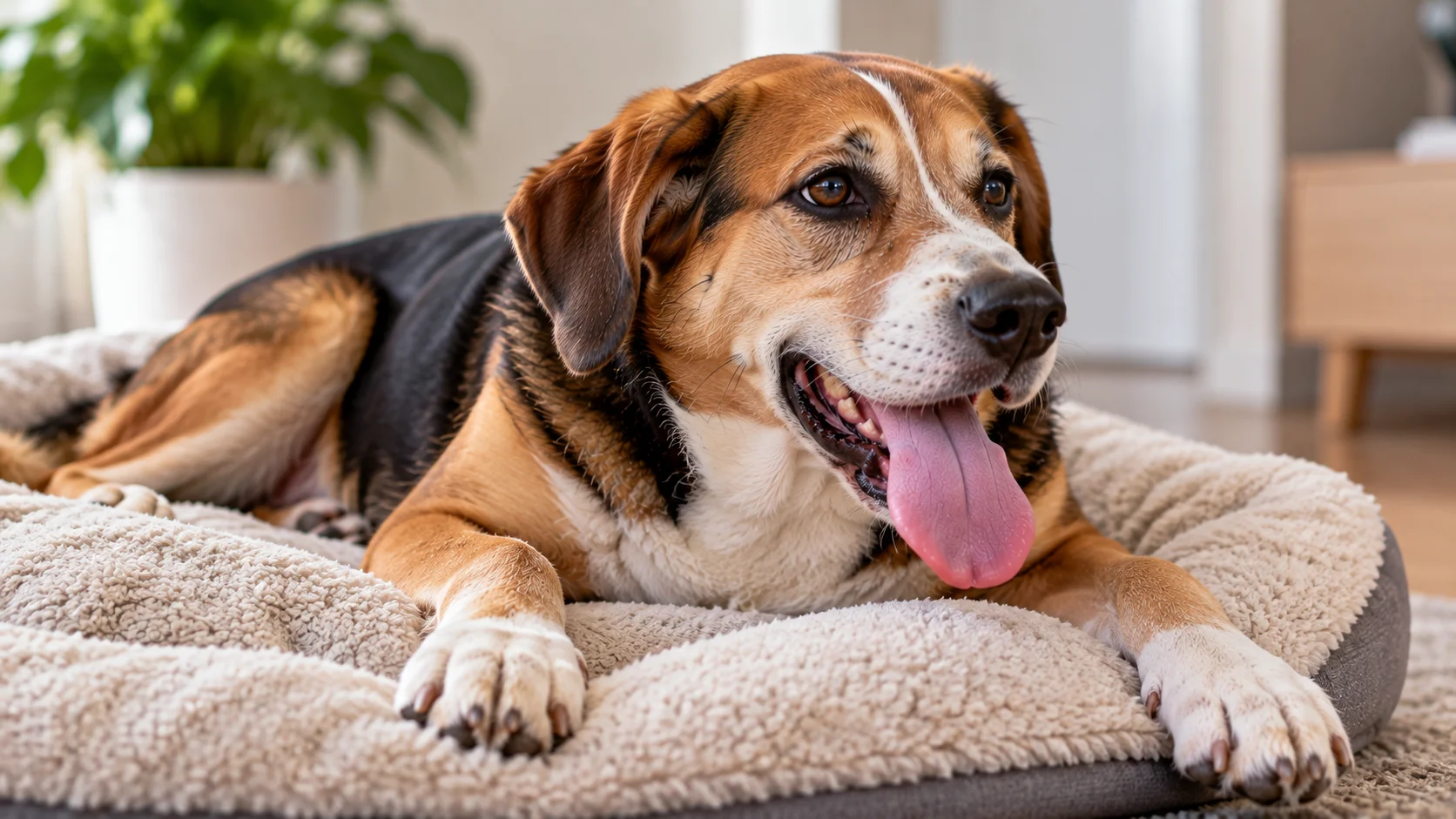
6. Respiratory Problems
Panting and difficulty breathing are not the same thing.
A healthy dog may pant heavily after exercise or during hot weather and still be moving air normally.
Respiratory distress is different.
Cornell University’s College of Veterinary Medicine describes warning signs such as rapid open-mouth breathing, increased abdominal effort, unusual breathing sounds, weakness, collapse, and a bluish appearance of the gums or muzzle.
Difficulty breathing is a veterinary emergency.
Do not wait to see whether serious breathing difficulty resolves on its own.
7. Heart Problems
Heart disease can sometimes affect a dog’s breathing pattern and ability to tolerate exercise.
Depending on the particular condition, an affected dog may also develop coughing, fatigue, weakness, reduced exercise tolerance, or breathing changes.
Panting alone cannot tell you whether a dog has heart disease.
If your dog repeatedly pants excessively while resting or develops coughing, exercise intolerance, weakness, or other changes, veterinary examination is appropriate.
8. Airway Problems
Problems affecting the upper airway can make breathing more difficult.
One example is laryngeal paralysis.
VCA Animal Hospitals lists excessive panting, noisy breathing, coughing or gagging, changes in the bark, and difficulty breathing among possible signs.
This is another reason to pay attention not only to how fast your dog is breathing but also to how the breathing sounds.
Noisy, strained, or labored breathing deserves veterinary attention.
9. Medications and Medical Conditions
Certain medications and underlying diseases can influence panting.
Because many different health problems can produce this symptom, excessive panting should not be used to diagnose a particular disease at home.
If unusual panting started after your dog began a medication, contact the veterinarian who prescribed it.
Do not stop or change prescription medication without veterinary guidance.
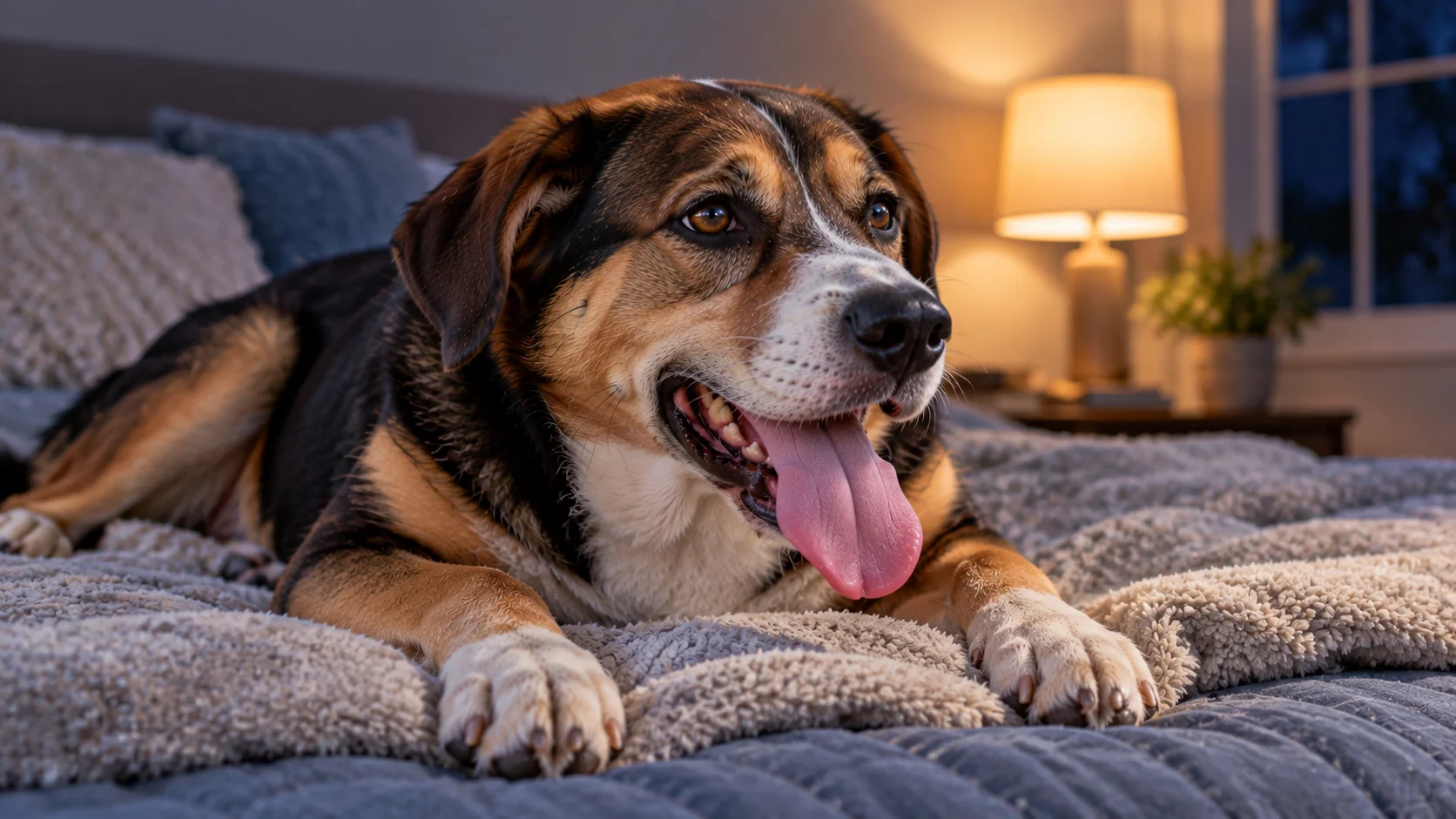
Why Is My Dog Panting So Much at Night?
Panting at night deserves special attention because temperature and exercise are often less obvious explanations when a dog is lying quietly indoors.
First consider the environment.
Is the room unusually warm? Is your dog’s bed close to a heater? Does your dog have a thick coat? Did your dog exercise shortly before bedtime?
If none of those explanations fits, look for other changes.
A dog that pants at night may also be restless, repeatedly change sleeping positions, pace around the room, drink more water, appear uncomfortable, or have difficulty settling.
Pain can sometimes become more noticeable when a dog is trying to rest.
Older dogs may also have medical or behavioral changes that affect their nighttime routine.
Repeated unexplained nighttime panting is worth discussing with your veterinarian, especially if it is a new behavior.
Why Is My Older Dog Panting So Much?
Older dogs deserve particular attention when a new pattern of panting develops.
Age itself does not automatically explain excessive panting.
Senior dogs are more likely than younger dogs to develop medical conditions involving the heart, lungs, airways, joints, hormones, or other body systems.
Pain associated with mobility problems may also influence behavior and breathing.
Pay attention to whether your older dog is also:
- Drinking more than usual
- Losing or gaining weight
- Coughing
- Having difficulty walking
- Becoming weak
- Eating differently
- Pacing at night
- Having difficulty settling
- Becoming less interested in exercise
- Developing noisy breathing
A gradual change can be easy to overlook when you see your dog every day.
Comparing current behavior with what was normal several months ago can sometimes make the difference easier to recognize.
Why Is My Dog Panting So Much for No Reason?
It may look like there is no reason, but panting always has a trigger somewhere in the body or environment.
The challenge is that the trigger is not always obvious.
Start with simple questions.
Has your dog recently exercised?
Is the room warm?
Did something exciting or stressful happen?
Is your dog frightened?
Could your dog be uncomfortable?
Did the panting begin after a new medication?
Are other symptoms present?
If there is no obvious environmental or behavioral explanation and the panting repeatedly occurs at rest, becomes more intense, or is a clear change from normal, veterinary evaluation becomes more important.
Why Is My Dog Panting So Much in the Car?
Panting in the car is common.
Some dogs become excited because they associate the car with parks, walks, daycare, or other enjoyable activities.
Other dogs find travel stressful.
The temperature inside the vehicle is another important consideration.
Even if air conditioning is running, make sure your dog is comfortable and not becoming overheated.
Observe the dog’s overall body language.
Panting accompanied by restlessness, trembling, excessive drooling, repeated position changes, or other signs of distress may suggest that the trip is stressful or uncomfortable.
Never leave a dog unattended in a parked vehicle.
Why Is My Dog Panting While Resting?
Panting while resting is different from panting immediately after running around the yard.
Ask whether there is an understandable reason.
A dog may still be cooling down after activity, the room may be warm, or an exciting event may have just occurred.
But persistent panting in a relaxed dog in a comfortable environment deserves closer attention.
Observe whether your dog is truly resting or actually unable to get comfortable.
Pacing, repeatedly standing and lying down, changing positions, trembling, hiding, or appearing unusually alert can provide useful clues.
If low energy is more noticeable than the panting itself, our guide What Is Dog Lethargy? Why Is My Dog Lethargic? explains how lethargy differs from ordinary tiredness.
Why Is My Dog Panting and Shaking?
Panting and shaking can occur together for several reasons.
Stress and fear are possibilities, particularly during thunderstorms, fireworks, travel, or unfamiliar situations.
But shaking can also occur alongside pain, illness, overheating, or other physical problems.
Do not determine the cause based on shaking alone.
Instead, consider whether your dog can walk normally, whether the gums look normal, whether vomiting or diarrhea is present, whether your dog has been exposed to heat, and whether the behavior is becoming worse.
If shaking is one of the main symptoms you are seeing, read Why Is My Dog Shaking? 7 Possible Reasons for a more detailed look at this symptom.
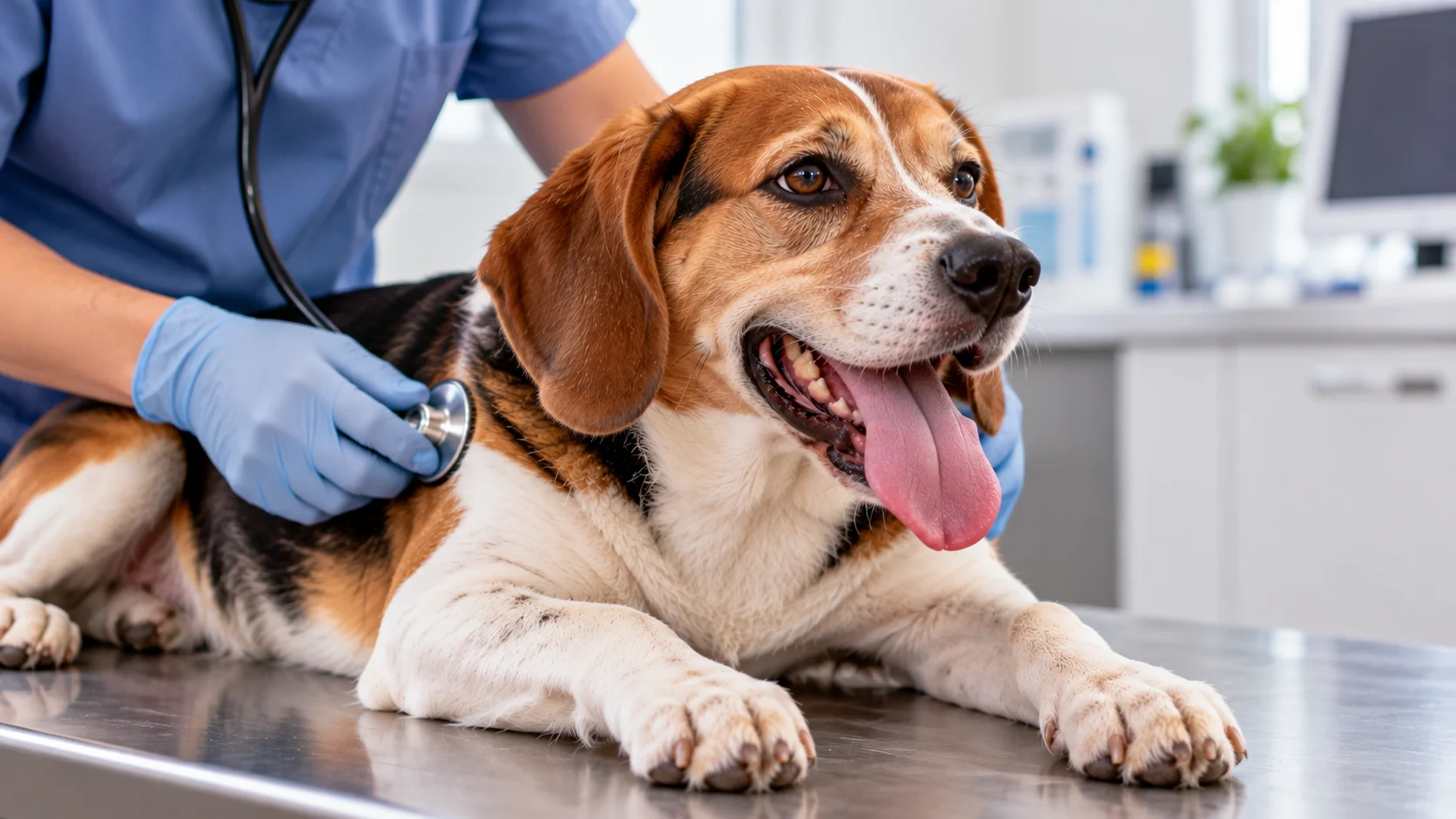
Why Is My Dog Panting and Not Eating?
Panting combined with appetite loss changes the picture.
Stress may temporarily affect both breathing and appetite, but pain and illness can do the same.
Look at how long the appetite change has lasted and whether additional symptoms are developing.
Vomiting, diarrhea, weakness, unusual thirst, abdominal discomfort, lethargy, or worsening panting are important observations to report to your veterinarian.
For a closer look at appetite changes, see Why Is My Dog Not Eating? What It Could Mean.
Why Is My Dog Panting and Vomiting?
Panting and vomiting can occur together in several situations.
A dog that becomes overheated may develop both symptoms. Gastrointestinal illness, pain, stress, and other medical problems can also produce a combination of behavioral and physical changes.
Repeated vomiting can contribute to dehydration and may make a dog progressively weaker.
The combination becomes more concerning when your dog cannot keep water down, appears weak or confused, has difficulty breathing, collapses, or has recently been exposed to significant heat.
If vomiting is the dominant symptom, read Why Is My Dog Vomiting? Common Causes and Warning Signs for more information about what to watch for.
How Can I Tell Panting From Breathing Difficulty?
This distinction is extremely important.
A dog cooling down after exercise may pant rapidly but still appear alert and comfortable.
A dog struggling to breathe may appear frightened, unable to settle, or visibly working hard to move air.
According to Cornell, signs of respiratory distress can include rapid open-mouth breathing, abdominal effort with each breath, unusual breathing sounds, extension of the head and neck, weakness, collapse, or a bluish color around the gums or muzzle.
If your dog appears to be struggling to breathe rather than simply panting, seek emergency veterinary care.
When Is Excessive Panting an Emergency?
Heavy panting becomes much more concerning when it occurs with other signs of serious illness.
Seek urgent veterinary care when panting is accompanied by:
- Difficulty breathing
- Blue or unusually pale gums
- Collapse
- Severe weakness
- Confusion or reduced responsiveness
- Repeated vomiting
- Severe loss of coordination
- Suspected heatstroke
- Rapidly worsening breathing
- Significant trauma
The Merck Veterinary Manual includes breathing difficulty and heatstroke among problems requiring immediate treatment.
If you are unsure whether your dog is panting normally or experiencing respiratory distress, it is safer to contact a veterinarian promptly.
What Should I Do If My Dog Is Panting Excessively?
Start by looking at the circumstances rather than trying to diagnose the cause yourself.
Think about what happened immediately before the panting began.
Was your dog exercising?
Was your dog outdoors in warm weather?
Did something frightening happen?
Is the dog excited?
Is the room warm?
Then observe your dog’s overall condition.
Notice whether your dog can walk normally, whether the gums look normal, whether the dog responds normally to you, and whether coughing, vomiting, shaking, weakness, or appetite loss is present.
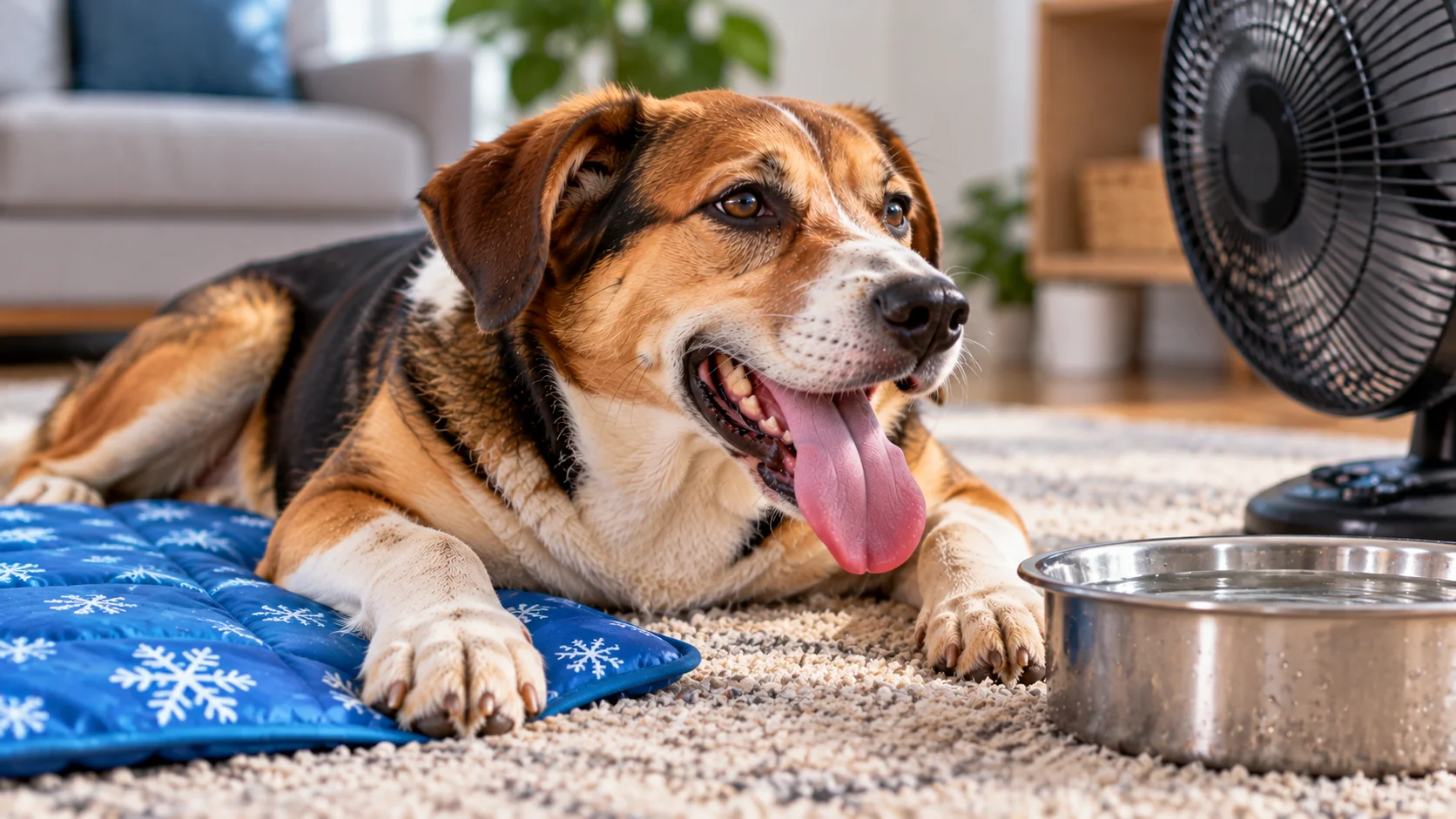
If heat may be involved, move your dog away from the hot environment and into a cooler area.
Cornell advises moving dogs showing early overheating signs into air conditioning or shade, providing access to water, and seeking veterinary care when excessive panting progresses or is accompanied by more serious symptoms.
If you are seeing several symptoms and are having trouble organizing them, our Pet Symptom Checker can help you review what you have observed before speaking with your veterinarian.
It is an educational tool and does not replace veterinary diagnosis or emergency care.
What Information Should I Give My Veterinarian?
A clear description of the episode can be very useful.
Try to remember when the panting started, what your dog was doing immediately beforehand, whether it has happened previously, and how long it lasted.
Tell your veterinarian about any recent exercise, heat exposure, stressful events, changes in appetite or thirst, vomiting, diarrhea, coughing, weakness, shaking, medications, injuries, or other changes.
A short video can also be useful when unusual panting occurs intermittently but stops before the veterinary appointment.
The goal is not to determine the diagnosis yourself.
The goal is to give your veterinarian a clear picture of what changed.
Frequently Asked Questions About Excessive Panting in Dogs
Why is my dog panting so much even though it isn’t hot?
Dogs can pant for reasons other than heat, including exercise, excitement, stress, fear, or pain. Certain medical problems can also cause excessive panting. If the panting is new, persistent, occurs at rest, or is accompanied by other symptoms, contact your veterinarian.
Why is my dog panting so much at night?
Nighttime panting may be related to a warm environment, recent activity, stress, discomfort, or an underlying health problem. Repeated unexplained nighttime panting, especially in an older dog or when other symptoms are present, deserves veterinary attention.
Why is my older dog panting so much?
Older dogs may develop conditions involving pain, the heart, lungs, airways, hormones, or other body systems that can affect panting. Do not assume a new pattern of excessive panting is simply part of aging.
Why is my dog panting so much while lying down?
A dog may continue panting briefly while cooling down after activity. Persistent panting while lying quietly in a comfortable environment is different and should be considered alongside other symptoms such as restlessness, pain, coughing, weakness, or appetite changes.
Why is my dog panting so much and shaking?
Panting and shaking can occur with stress or fear, but they may also appear with pain, overheating, or illness. Consider the entire situation and seek veterinary advice if the symptoms are significant, unexplained, or worsening.
Why is my dog panting so much in the car?
Dogs may pant in cars because of excitement, stress, temperature, or discomfort. Watch the dog’s body language and make sure the vehicle remains comfortably cool.
Can pain cause a dog to pant?
Yes. Dogs experiencing pain may pant excessively even while resting. Other signs may include restlessness, changes in posture, reluctance to move, appetite changes, or difficulty getting comfortable.
When should I worry about excessive panting?
Panting deserves urgent attention when a dog appears to be struggling to breathe or when it occurs with blue or very pale gums, collapse, severe weakness, confusion, repeated vomiting, or signs of heatstroke.
The Bottom Line
So, why is my dog panting so much?
Sometimes the explanation is completely normal. Dogs pant to cool themselves after exercise, during warm weather, and sometimes when they are excited or stressed.
What matters is recognizing when the pattern is different.
Panting that suddenly becomes much heavier than normal, repeatedly occurs at night or while resting, has no obvious explanation, or appears with shaking, weakness, appetite loss, vomiting, coughing, or breathing difficulty deserves closer attention.
Know your dog’s normal behavior.
Consider what happened before the panting started.
Look for additional symptoms.
And when the panting seems excessive, persistent, unexplained, or associated with breathing difficulty or other serious changes, contact a veterinarian rather than trying to determine the cause at home.
When several symptoms occur together, the TechHavela Pet Symptom Checker can also help you organize what you are seeing so you can have a more informed conversation with your veterinarian.

**Sidnir Vieira**
Founder of TechHavela
A passionate pet and tech content creator, helping dog owners across the U.S. make smarter decisions for their furry friends.