

Protect Your Dog from Parasites with simple, smart steps that keep your pet safe and happy — you’ll learn why prevention matters, how to spot signs of trouble, easy daily habits to follow, the basics of flea and tick control, heartworm and deworming timing, safe natural remedies, and when to call your vet, all in a clear, short guide you can use today.
- How to Protect Your Dog from Parasites
- Protect Your Dog from Parasites: Why prevention matters
- Signs your dog may have parasites
- Dog parasite prevention: easy daily habits
- Flea and tick control: keep pests off your pet
- Topical flea treatments: how they work
- Oral flea medication: benefits and warnings
- Heartworm prevention: timing and choices
- Deworming for dogs: schedules for puppies and adults
- Parasite testing for dogs: when to test and what to expect
- Seasonal parasite protection: adjust care by season
- Natural parasite remedies: safe options and cautions
- Preventive veterinary care: regular checks and advice
- Create a parasite-safe home and yard
- Choosing the right parasite product for your dog
- What to do if your dog has an infestation now
- Keeping a simple parasite care schedule
- Long-term health gains from parasite prevention
- Common Dog Parasites: Signs and Prevention
- Image suggestions and alt text
- Additional practical examples
- Where authoritative guidance matters
- Cost and access considerations
- Final notes on safety and interactions
- Quick checklist to Protect Your Dog from Parasites now
- Bullet points — Main points covered
- Conclusion
- Frequently asked questions
Key Takeaway
- Give your dog monthly flea, tick, and heartworm medicine your vet recommends.
- Bring your dog to the vet for regular checkups and stool tests.
- Check your dog often for ticks and fleas and remove them right away.
- Keep your yard clean, pick up your dog’s poop, and avoid standing water.
- Keep your dog away from stray animals and wildlife.
How to Protect Your Dog from Parasites
This article gives clear, practical steps to help you Protect Your Dog from Parasites, based on guidance from trusted sources like the CDC, FDA, and NIH. It’s written in a warm, direct voice so you can start caring for your dog with confidence today.
Protect Your Dog from Parasites: Why prevention matters
Protect Your Dog from Parasites is not just a slogan — it’s a promise you make to your pet. Parasites like fleas, ticks, heartworms, and intestinal worms can cause pain, sickness, and even serious health risks for both dogs and people. Preventing parasites saves vet bills, reduces stress, and gives your dog a longer, happier life.
The CDC, FDA, and NIH agree: prevention is safer and easier than treating an infestation. Regular prevention lowers the chance of serious disease and helps protect your family. Acting early avoids the tough road of treating heavy infestations and the risk of permanent damage.
Think of prevention like locking your door when you leave the house. Small, steady steps — a monthly pill, a quick tick check, regular cleaning — add up to big protection.
Signs your dog may have parasites
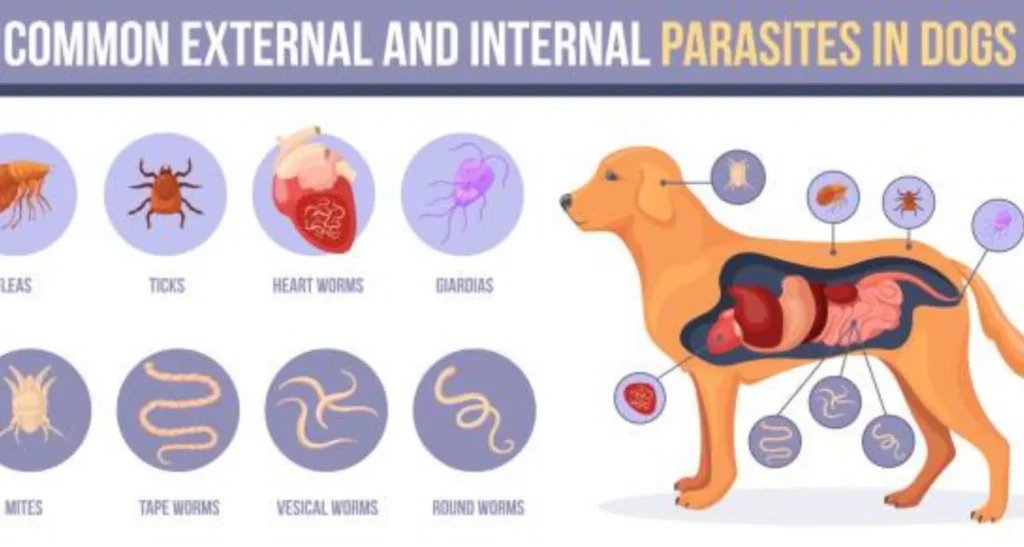
When you watch your dog closely, you can spot early signs of parasites. Some signs are obvious, some quieter. Watch for:
- Scratching or constant licking — fleas and mites make skin itchy.
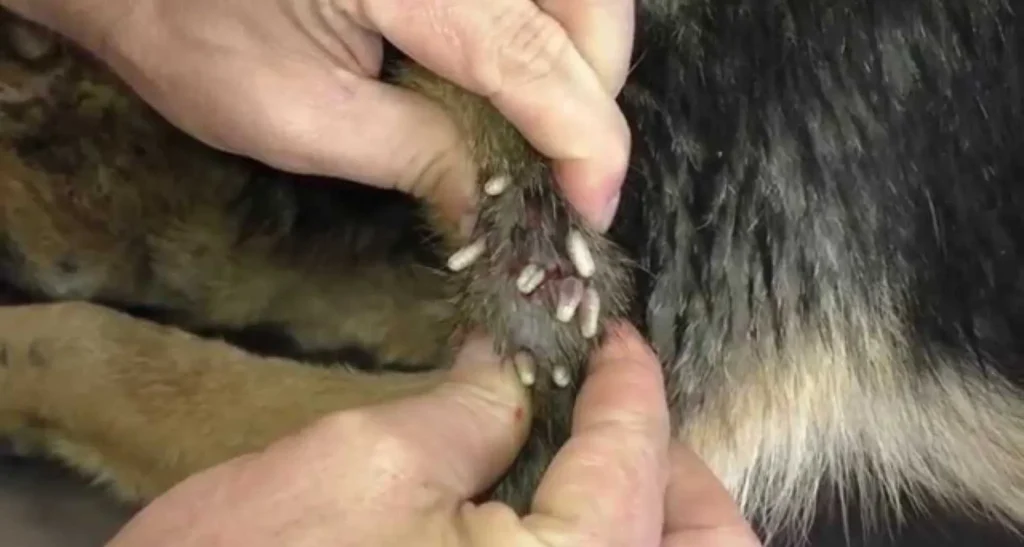
- Visible bugs or eggs — fleas or flea dirt (tiny black specks) on fur.
- Bald patches or scabs — often from flea bites or skin parasites.
- Weight loss or poor appetite — worms can steal nutrients.
- Diarrhea, vomiting, or blood in stool — common with intestinal parasites.
- Coughing or trouble breathing — can be a sign of heartworm disease.
- Swollen belly in puppies — may indicate roundworms.
- Lethargy or pale gums — heavy infestations can cause anemia.
If you notice any of these signs, call your veterinarian. The CDC recommends prompt testing and treatment. Early detection usually means simpler, faster recovery.
Dog parasite prevention: easy daily habits
You don’t need dramatic changes to Protect Your Dog from Parasites. Small daily habits add up. Start with:
- Check your dog’s coat each day for fleas, ticks, or odd bumps, and clean paws after walks to avoid bringing pests indoors.
- Brush often — helps you see skin issues and removes loose fur where fleas hide.
- Keep bedding clean — wash dog blankets and toys in hot water weekly.
- Vacuum regularly — floors and furniture can hold flea eggs and larvae. Empty the vacuum outside.
- Pick up waste quickly — feces can spread parasites. Dispose of it safely.
- Avoid high-risk areas when ticks are active: tall grass, thick brush, and leaf piles.
- Feed a healthy diet — a strong immune system helps your dog fight off infections.
Combine home care with vet-approved prevention for the best results.
Flea and tick control: keep pests off your pet
Fleas and ticks are the most common pests dogs face. They cause irritation and can carry diseases like Lyme and Rocky Mountain spotted fever.
How to keep fleas and ticks away:
- Use veterinarian-recommended flea and tick products: topical treatments, oral medications, and collars. Follow instructions carefully.
- Treat the whole household if one pet is infested — fleas move to other animals and furniture. Read Practical flea and tick care tips for more veterinary guidance.
- Check for ticks after outdoor time: behind the ears, between toes, and in skin folds. Learn How to prevent ticks on pets from the CDC.
- Create a yard barrier: keep grass short, remove leaf litter, and trim bushes.
- Consider environmental treatment for heavy infestations; a vet or pest professional can advise safe options.
Consistency is key: fleas reproduce fast and ticks attach silently. Regular prevention stops the cycle before it starts.
Topical flea treatments: how they work
Topical flea treatments are liquids applied to your dog’s skin (usually between the shoulder blades). They spread across the coat to kill fleas and sometimes ticks.
Benefits:
- Kill adult fleas on contact or soon after they bite.
- Interrupt the flea life cycle by reducing eggs and larvae.
- Provide monthly protection in many cases.
Keep in mind:
- Follow directions exactly—dosage depends on weight and species.
- Don’t bathe immediately after application; it can reduce effectiveness.
- Use only products labeled for dogs; cat-specific formulas can be dangerous to cats.
- Watch for side effects like mild skin irritation or temporary hair loss at the application site. Contact your vet if you see vomiting, loss of appetite, or unusual behavior.
Topical options are widely recommended and supported by FDA-approved products.
Oral flea medication: benefits and warnings
Oral flea meds are pills or chewables your dog eats. They circulate in the bloodstream and kill fleas when the insect bites.
Benefits:
- Easy to use — many dogs take monthly chewables like treats.
- Effective — some products kill fleas rapidly.
- Systemic protection — bathing or swimming usually won’t reduce effectiveness.
Warnings:
- Choose vet-approved medication — not every product suits every dog.
- Allergies and reactions are rare but possible. Watch your dog after the first dose.
- Drug interactions — tell your vet all medicines and supplements your dog takes.
- Weight and age limits — use the correct product for your dog’s size and life stage.
Your veterinarian can help pick the right oral product for your dog.
Heartworm prevention: timing and choices
Heartworm is a serious disease spread by mosquitoes. The worms grow in the heart and lungs and can be life-threatening. Prevention is far safer than treatment, which can be risky and expensive.
Prevention tips:
- Use monthly heartworm preventives recommended by your vet (pills, topicals, or injections). See Guidance on preventing heartworm disease from the American Heartworm Society.
- Annual testing is important even if your dog takes prevention.
- Start puppies early — usually at 6 to 8 weeks of age, following your vet’s schedule.
- Year-round protection is safer in many parts of the U.S.
- Know regional risks — heartworm is more common in warm, humid areas but occurs across the country.
Timing matters: many preventives only kill immature worms. If a dog already has adult heartworms, some preventives can cause health issues. That’s why vets test before starting treatment.
Deworming for dogs: schedules for puppies and adults
Deworming kills intestinal worms like roundworms, hookworms, whipworms, and tapeworms. Puppies are at highest risk and need a clear schedule.
Puppy schedule (common approach):
- Start at 2–3 weeks of age and repeat every 2 weeks until about 8–12 weeks.
- Continue at regular intervals until switched to adult preventive as your vet recommends.
- Test feces to identify which worms are present so the right treatment is used. Follow evidence-based Guidelines for routine parasite control for deworming schedules.
Adult dogs:
- Deworm as needed based on fecal tests or exposure risk.
- Yearly fecal exams are a good routine for most dogs.
- Certain dogs need more frequent deworming — those exposed to wildlife, raw diets, or frequent hunting.
Some worms can pass to people, especially children. Treating dogs protects both pets and families.
Parasite testing for dogs: when to test and what to expect
Testing helps find parasites early and guides correct treatment.
Common tests:
- Fecal exam — checks for eggs or larvae of intestinal worms.
- Blood tests — detect heartworm and some blood-borne parasites.
- Skin scrapings or microscope checks — used for mites or certain skin parasites.
When to test:
- If your dog shows symptoms like diarrhea, weight loss, or skin issues.
- Before starting heartworm prevention, as required by some vets.
- During routine wellness checks — many vets test annually.
- After exposure — if your dog visited a high-risk area or interacted with stray animals.
Tests are usually quick and low-stress. Results guide targeted treatments and help prevent unnecessary medications.
Seasonal parasite protection: adjust care by season
Parasite risks change with the seasons. Adjust protection accordingly.
Spring and summer:
- Peak time for fleas, ticks, and mosquitoes. Use monthly preventives and check often.
- Keep yard tidy and avoid tall grass.
Fall:
- Ticks remain active in many regions. Continue checks and protection.
- Watch for flea eggs that survived indoors or in the yard.
Winter:
- Cold reduces some parasites but not all. Heartworms remain a concern in mild climates.
- Indoor fleas can thrive in heated homes. Keep prevention year-round if fleas are a problem.
Talk with your vet about your region and lifestyle to build a seasonal plan.
Natural parasite remedies: safe options and cautions
Many people ask about natural or home remedies. Some can help, others are risky or ineffective. Consult your vet.
Safe, supportive natural measures:
- Good hygiene — regular bathing and grooming removes eggs and pests.
- Diatomaceous earth (food-grade) — may help in dry environments for fleas but is less reliable than vet products.
- Clean diet and strong immunity — a healthy dog resists infections better.
Cautions:
- Essential oils can be toxic to dogs. Never use undiluted oils on pets.
- Human insect repellents often contain chemicals dangerous to dogs.
- Unproven natural pills may not work and could interact with other meds.
- Skipping veterinary care for cost reasons puts your dog at risk.
Natural methods can support care but should not replace vet-approved preventives for heartworm, fleas, and ticks.
Preventive veterinary care: regular checks and advice
Regular vet visits are the backbone of parasite protection. Your veterinarian provides tests, prescribes prevention, and tailors care to your dog’s needs.
What your vet will do:
- Annual physical exams to look for signs of parasites.
- Fecal and blood tests when needed.
- Prescribe proven preventives for fleas, ticks, and heartworm.
- Advise on local risks and seasonal schedules.
Tell your vet about your dog’s environment: parks, travel, hunting, or contact with other animals. This helps the vet recommend the right products and testing frequency. For an overview of routine care steps, see this veterinary checkup guide.
Create a parasite-safe home and yard
Making your home and yard less friendly to parasites protects everyone.
Home steps:
- Wash bedding weekly in hot water.
- Vacuum carpets and furniture regularly. Empty vacuum outside.
- Keep dogs off beds or furniture if someone in the home is allergic or high-risk.
- Store pet food properly to avoid pests that attract fleas or rodents.
Yard steps:
- Mow the lawn and remove brush where ticks and fleas hide.
- Create a dry border between your yard and wooded areas.
- Keep wood piles and pet areas clean and dry.
- Use pet-safe yard treatments only when necessary and follow label instructions.
A tidy home and yard lower the chance of infestation and keep your dog comfortable year-round.
Choosing the right parasite product for your dog
Selecting the right product can feel overwhelming. A simple approach:
- Talk to your vet first.
- Consider lifestyle. Does your dog swim often? Hunt? Spend time in tall grass?
- Check age and weight limits on labels.
- Decide the format — topical, oral, collar, or injectable — based on convenience and how your dog reacts.
- Read the label and follow directions exactly.
- Be aware of side effects and call your vet if you see anything unusual.
For regulatory safety and guidance on approved medications, consult the FDA page FDA safety info on pet medications.
FDA-approved products and veterinarian guidance are the safest route. A tailored plan beats a one-size-fits-all purchase.
What to do if your dog has an infestation now
If you find fleas, ticks, or worms on your dog, act fast and stay calm. If you need step-by-step emergency actions, this guide on acting in dog emergencies offers practical pointers.
- Isolate your dog from other pets.
- Call your vet and describe what you found — your clinic’s guidance will shape treatment and testing (veterinary checkup resource).
- Use vet-recommended treatments — don’t use unapproved home concoctions.
- Treat the environment: wash bedding, vacuum thoroughly, and consider professional yard or home treatment when infestations are heavy; see tips in the first-aid kit and preparedness resources.
- Follow up with tests and repeat treatments as directed.
- Watch for secondary problems like skin infections or anemia and seek help quickly — practical first-aid methods can help while you get veterinary care (proven first-aid methods).
Quick, calm action prevents escalation and helps your dog recover more comfortably.
Keeping a simple parasite care schedule
A basic schedule helps you stay consistent. Adapt this template:
- Daily: Quick coat check and spot cleaning of bedding.
- Weekly: Brush and inspect, wash used blankets, pick up yard waste.
- Monthly: Give preventive medication for fleas/ticks/heartworm as prescribed.
- Quarterly or semi-annually: Fecal check or vet-recommended testing if at higher risk.
- Annually: Full vet exam with vaccinations and heartworm test.
Use a calendar reminder on your phone. Consider keeping a small first-aid kit at home — this list of essential items helps with basic needs between vet visits.
Long-term health gains from parasite prevention
Keeping parasites away protects your dog’s long-term health:
- Fewer vet emergencies and lower medical costs.
- Better quality of life — less itching, better sleep, more energy.
- Reduced risk of serious diseases like heartworm or Lyme disease.
- Safer home environment for children and older adults.
- Longer companionship — protecting your dog helps them live a fuller life with you.
Treat prevention as routine care to reduce stress and worry.
Common Dog Parasites: Signs and Prevention
| Parasite | Common Signs | Typical Prevention |
|---|---|---|
| Fleas | Itching, visible fleas, flea dirt | Monthly topical or oral products; clean bedding; vacuum |
| Ticks | Localized bite, possible fever, tick-borne risk | Tick checks, collars/topicals/oral prevention, yard management |
| Heartworms | Coughing, lethargy, weight loss (may be silent) | Monthly heartworm preventives; annual blood test |
| Roundworms | Pot-bellied puppies, diarrhea, vomiting | Deworming in puppies; fecal tests and treatment as needed |
| Hookworms | Diarrhea, anemia, poor condition | Deworming, fecal checks, hygiene |
| Tapeworms | Segments near anus, scooting | Flea control and dewormers |
| Mites (ear/skin) | Head shaking, ear debris, severe itching | Veterinary diagnosis and specific treatments |
Use this table as a quick reference. Your vet will give the exact meds and schedule for your dog.
Image suggestions and alt text
- Suggested image: Happy dog being checked for ticks by an owner. Alt text: “Owner checking dog for ticks and fleas to protect pet from parasites.”
- Suggested image: Veterinary technician giving a heartworm test. Alt text: “Veterinary technician preparing blood sample for heartworm testing.”
- Suggested image: Clean dog bedding and vacuum beside it. Alt text: “Clean pet bedding and vacuum to prevent flea infestations.”
Including clear, friendly photos helps readers connect and learn.
Additional practical examples
Imagine coming home from a walk and running your hand through your dog’s fur before they jump on the couch. You spot a tiny dark speck — flea dirt. Instead of panicking, you vacuum the area, wash the blanket, and give the monthly flea pill your vet recommended. A few days later, you follow up with a quick vet call. That small ritual prevented a bigger problem.
Or a family near woods uses a tick collar and monthly oral protection, checks their dog after hikes, and trims the yard. That one thoughtful change removed a major source of worry and kept their dog healthy.
Small routines like these are the heart of effective prevention. Protect Your Dog from Parasites by making them daily habits.
Where authoritative guidance matters
When it comes to your pet’s health, lean on reliable sources. The CDC provides information on zoonotic risks and ticks. The FDA regulates and approves many pet medications. The NIH funds research on parasite biology and treatments. Together with your veterinarian, they help you choose safe products, understand tests, and make smart decisions for your dog.
Cost and access considerations
Worried about cost? Prevention is often less expensive than treating a full-blown infection. Many clinics offer affordable prevention plans and package deals. Some communities have low-cost clinics for testing and vaccines. Ask your vet about payment options or community resources.
Skipping prevention can mean higher costs later: heartworm treatment and major flea infestations can be expensive and stressful. A small monthly preventive pill or topical treatment is a wise investment in your pet’s health.
Final notes on safety and interactions
Always tell your vet about:
- Other medications your dog takes.
- Any known allergies.
- Pregnancy or nursing status.
- Age and weight changes.
Some products interact with others or are not safe for young or nursing dogs. Your vet will help avoid risky combinations and choose the safest, most effective options.
Quick checklist to Protect Your Dog from Parasites now
- Start or continue monthly heartworm and flea/tick prevention.
- Do daily coat checks, especially after outdoor time.
- Keep bedding and floors clean; vacuum often.
- Trim yard and remove brush to reduce tick habitat.
- Test annually for heartworm and check feces as recommended.
- Consult your vet before using any natural remedy or human product.
- Keep a basic first-aid kit handy and review how to administer first aid to dogs so you can respond calmly if you find parasites.
Bullet points — Main points covered
- Fleas, ticks, heartworms, and intestinal worms pose real risks.
- Early detection and prevention are easier and safer than treatment.
- Use vet-recommended monthly preventives for fleas and heartworm.
- Perform daily coat checks and wash bedding weekly.
- Test annually and after potential exposures.
- Natural remedies can help but should not replace vet-approved medicines.
- Keep your home and yard clean to reduce parasite habitats.
- Consult your vet for product selection and safe schedules.
Conclusion
You’re the first line of defense for your dog. Think of prevention as a simple routine—a seatbelt you buckle every month with vet-recommended pills or topicals, a quick daily check of the coat, and weekly bedding care. Small habits add up. They stop fleas, ticks, heartworm, and worms before they turn into big, expensive headaches.
Act fast when you spot signs. Isolate, call your vet, treat the environment, and follow the plan. Test annually, deworm as advised, and keep your yard tidy. Consistency is the secret sauce.
Keep it simple, stay steady, and your dog will thank you with more tail wags and fewer vet visits. Want more practical tips? Read more at https://techhavela.com.
Frequently asked questions
How can you Protect Your Dog from Parasites at home?
Give monthly preventives. Check your dog’s coat daily. Wash bedding and vacuum often. Talk to your vet if you find bugs.
What meds help Protect Your Dog from Parasites?
Ask your vet for a plan. Heartworm pills, flea/tick topicals, and dewormers work. Use what your vet recommends and stay consistent.
How often should you check to Protect Your Dog from Parasites?
Check daily for ticks and fleas, weekly for a fuller inspection. Look for scooting or worms in stool. Remove ticks right away and call the vet if you see problems.
Can outdoor care help Protect Your Dog from Parasites?
Yes. Mow grass and remove leaf piles. Avoid tall weeds and standing water. Keep your dog on trails and use preventives.
- ### What signs show you must Protect Your Dog from Parasites now? Heavy scratching, hair loss, vomiting, diarrhea, coughing, visible worms, or sudden weight loss are red flags. Seek vet care fast.

**Sidnir Vieira**
Founder of TechHavela
A passionate pet and tech content creator, helping dog owners across the U.S. make smarter decisions for their furry friends.