What Is Dog Lethargy? Why Is My Dog Lethargic?
If your dog suddenly seems unusually tired, moves more slowly, sleeps more than usual, or loses interest in activities they normally enjoy, you may be wondering: what is dog lethargy, and when should you be concerned?
Dog lethargy is more than simply being tired after a long walk or an active day. It generally describes a noticeable decrease in your dog’s normal energy, activity, or enthusiasm. Because every dog has a different routine and energy level, one of the most important clues is a change from what is normal for your dog.
A lethargic dog may be reluctant to play, walk, eat, interact with family members, or even get up from a favorite resting place. Sometimes the change is temporary. In other cases, lethargy can occur alongside pain, digestive problems, dehydration, infection, or another health condition.
The key is to look at the whole picture. When did the change begin? Is your dog eating and drinking normally? Are there other symptoms such as vomiting, shaking, diarrhea, difficulty walking, or unusual behavior?
If several changes are happening at once, use our Pet Symptom Checker to explore the symptoms you are noticing and organize useful observations to discuss with your veterinarian.

What Is Dog Lethargy?
Dog lethargy is an unusual decrease in energy, activity, or interest in normal activities. It is a sign rather than a specific disease, so lethargy alone does not tell you exactly what is wrong.
The American Kennel Club describes lethargy as a decrease from a dog’s normal day-to-day activity and emphasizes that it is a nonspecific sign rather than a diagnosis.
Think about your dog’s normal routine.
A dog that usually runs to the door when it is time for a walk but suddenly stays in bed is showing a meaningful change. The same may be true if your dog normally loves meals, toys, visitors, or family interaction but suddenly seems uninterested.
This is why lethargy looks different from one dog to another.
A naturally calm older dog may spend much of the day resting without being lethargic. Meanwhile, a normally energetic young dog that unexpectedly refuses to play and sleeps much more than usual may be showing a significant change.
Rather than comparing your dog with another dog, compare today’s behavior with your dog’s usual behavior.
Is My Dog Lethargic or Just Tired?
Dogs get tired just like people do.
After a long walk, an exciting day, vigorous play, travel, or another unusual amount of activity, a dog may simply need additional rest. Normal fatigue usually has an understandable explanation.
The important difference is what happens after that rest.
A tired dog will often become interested again when something exciting happens. The sound of the leash, a favorite toy, dinner, or someone arriving home may quickly get their attention. After adequate sleep, the dog generally returns to their normal routine.
A lethargic dog may remain unusually quiet, slow, or uninterested even after resting. PetMD similarly distinguishes ordinary tiredness from lethargy by considering whether the dog returns to normal activity after rest.
Ask yourself:
- Did my dog have an unusually active day?
- Does my dog respond normally to favorite activities?
- Did rest improve the behavior?
- Is my dog eating and drinking normally?
- Are any other symptoms appearing?
- Does my dog simply seem unlike their usual self?
The answers can help distinguish ordinary tiredness from a change that deserves closer attention.
Dog Lethargy Symptoms: What Should You Look For?
Lethargy is not always dramatic. Sometimes the first changes are subtle.
You may notice that your dog still participates in normal activities but does so more slowly. At other times, the change is obvious.
Possible signs associated with dog lethargy include:
- Sleeping more than usual
- Moving more slowly
- Spending more time lying down
- Less interest in walks
- Reluctance to play
- Reduced interest in toys
- Less interaction with people or other pets
- Hesitation to get up
- Hiding or resting in unusual places
- Responding more slowly to normal stimulation
- Reduced enthusiasm around mealtime
- Generally acting unlike their normal self
These observations are consistent with signs described by both AKC and PetMD.
The presence of one of these behaviors does not identify a particular illness. What matters is whether the behavior represents a meaningful change and whether other symptoms are occurring at the same time.
For example, lethargy combined with vomiting tells you more than lethargy alone. The same is true when low energy occurs with appetite loss, shaking, diarrhea, difficulty walking, breathing changes, or apparent pain.
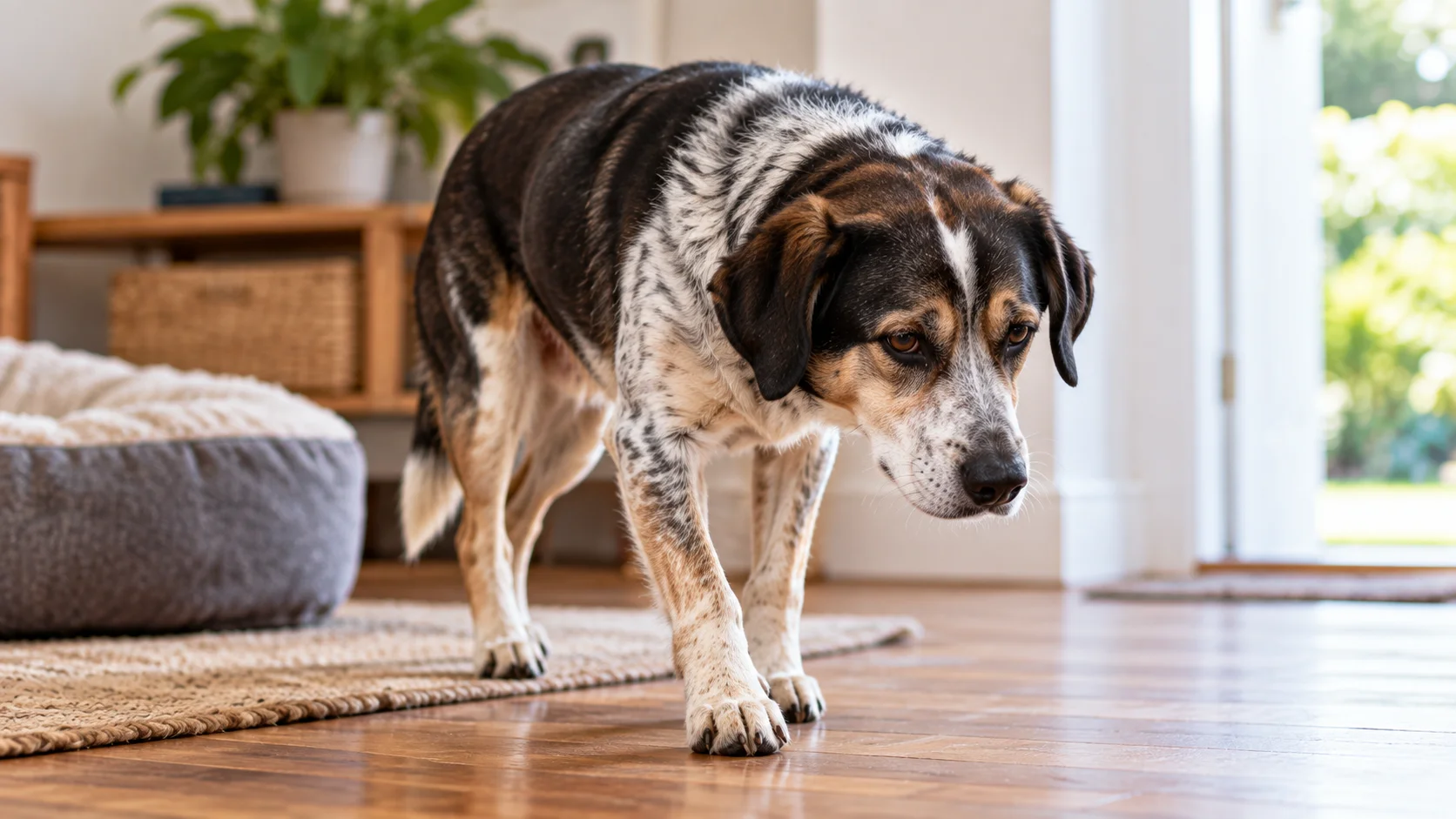
Why Is My Dog Lethargic?
There is no single answer to why is my dog lethargic?
Lethargy is considered a nonspecific sign because many different circumstances and health problems can reduce a dog’s energy.
Some explanations are relatively simple, while others require veterinary evaluation to identify.
Changes in Activity or Routine
Start by considering what happened before the change.
An unusually long walk, vigorous play session, day at daycare, travel, or major disruption to the normal routine may leave a dog more tired than usual.
If increased activity is the explanation, rest should generally lead toward the dog’s normal behavior again.
A change that persists without an obvious explanation deserves more attention.
Pain or Discomfort
Dogs experiencing pain do not always make the source of discomfort obvious.
Instead, they may become quieter, move less, hesitate to climb stairs, avoid jumping, lose interest in play, or spend more time resting.
That can make pain appear simply as lethargy at first.
Pay attention to changes in the way your dog walks, stands, sits, lies down, or reacts to normal movement and handling.
Digestive Problems
Digestive upset can also affect energy.
A dog experiencing nausea, vomiting, diarrhea, abdominal discomfort, or appetite changes may become less active because they do not feel well.
This is why it is useful to consider lethargy together with eating, drinking, bowel movements, and vomiting rather than looking at energy level alone.
Dehydration
Reduced fluid levels can contribute to weakness and lethargy, particularly when a dog has been losing fluids through repeated vomiting or diarrhea.
The American Kennel Club’s guide to dehydration in dogs includes reduced energy and lethargy among possible signs of dehydration. (American Kennel Club)
Hot weather and strenuous activity can also increase fluid needs.
A dog that appears lethargic while also repeatedly vomiting, experiencing diarrhea, or having difficulty keeping water down deserves prompt veterinary attention.
Infection or Other Illness
Viral, bacterial, fungal, and parasitic infections are among the many medical problems that may be associated with lethargy.
Other conditions involving organs, hormones, the heart, respiratory system, nervous system, blood, or metabolism can also affect energy. PetMD’s veterinary-reviewed overview lists a broad range of possible underlying conditions, illustrating why lethargy by itself cannot identify the cause. (PetMD)
Because the list of possibilities is so broad, lethargy cannot be used to diagnose the underlying condition at home.
A veterinarian uses the dog’s history, physical examination, accompanying symptoms, and sometimes diagnostic tests to determine what may be causing the change.
Stress and Environmental Changes
Not every change in activity originates from physical disease.
Major changes in a dog’s environment or routine can influence appetite, interaction, sleep, and activity.
However, it is important not to assume that a physical change is “just stress,” especially when lethargy persists or appears with other symptoms.
Medication or Recent Veterinary Treatment
If the change started after a new medication, vaccination, procedure, or other veterinary treatment, make a note of the timing.
Do not stop prescribed medication or change how it is given without veterinary guidance.
Instead, contact the prescribing veterinarian if you notice an unexpected or significant behavioral change. Knowing exactly when the lethargy began can help the veterinarian evaluate whether there may be a connection.
Why Is My Dog Lethargic and Not Eating?
When dog lethargy and not eating occur together, the combination deserves closer attention.
A dog’s appetite may temporarily change because of stress, routine changes, or mild digestive upset. But appetite loss can also occur with pain, nausea, infection, dental problems, and many other medical conditions.
Watch for additional changes such as:
- Vomiting
- Diarrhea
- Difficulty chewing
- Drooling
- Changes in drinking
- Hiding
- Shaking
- Trouble standing or walking
- Signs of discomfort
The duration also matters. A dog that skips food but remains bright and interested in normal activities presents a different picture from a dog that refuses food and is becoming increasingly lethargic.
If your dog is both lethargic and not eating, particularly when other symptoms are present, contact your veterinarian for guidance.

Vomiting is another symptom that changes how lethargy should be evaluated.
An isolated vomiting episode in an otherwise alert dog is different from repeated vomiting accompanied by declining energy.
Vomiting can contribute to fluid loss, and the underlying reason for the vomiting may itself cause a dog to feel unwell.
Pay attention to:
- How many times your dog has vomited
- When the vomiting began
- Whether your dog can keep water down
- Whether diarrhea is also present
- Whether your dog still wants food
- Whether your dog appears uncomfortable
- Whether energy is continuing to decrease
If vomiting is repeated or accompanied by marked lethargy, weakness, discomfort, or other concerning changes, veterinary evaluation becomes more important.
If vomiting is the main symptom you are seeing, read Why Is My Dog Vomiting? Common Causes and Warning Signs for a more detailed explanation of what to watch for.
Why Is My Dog Lethargic and Shaking?
Shaking can have many explanations, and the context matters.
A dog might shake because of cold, fear, stress, discomfort, or another physical problem. When shaking occurs together with unusual lethargy, however, it is worth paying closer attention to the dog’s overall condition.
Ask:
Is the shaking new? Is it persistent? Is your dog eating? Can your dog walk normally? Are vomiting, diarrhea, weakness, unusual breathing, or behavior changes present?
Do not try to determine the cause from shaking alone. The combination of symptoms and the dog’s general condition provides more useful information.
If your dog is becoming increasingly weak, has trouble standing, or is showing other significant changes along with shaking, contact a veterinarian promptly.
Why Is My Dog Lethargic All of a Sudden?
A sudden change can be particularly noticeable because there may be such a clear contrast between your dog’s behavior yesterday and today.
Start by thinking about the previous 24 hours.
Was there unusually strenuous activity? A change in food? Travel? A veterinary visit? A new medication? Vomiting or diarrhea? A possible injury? A significant change in routine?
Sometimes this timeline provides an important clue.
But sudden lethargy can also occur without an obvious explanation.
That does not mean you need to identify the cause yourself. Instead, observe the change carefully and look for accompanying symptoms.
If you are noticing several changes and are unsure how they may fit together, the TechHavela Pet Symptom Checker can help you review common symptoms before speaking with your veterinarian.
If the lethargy is pronounced, worsening, or associated with other concerning changes, seek veterinary advice rather than waiting for the cause to become obvious.
Can a Dog Be Lethargic but Still Eat and Drink?
Yes.
Normal eating and drinking are useful observations, but they do not automatically mean that everything is normal.
The AKC notes that lethargy does not necessarily affect appetite and that a dog can remain lethargic while continuing to eat and drink. (American Kennel Club)
Some dogs continue to eat even while experiencing discomfort or another health problem.
This is another reason to evaluate behavior as a whole.
If your dog continues eating but suddenly sleeps much more, refuses walks, stops playing, or acts noticeably different, keep monitoring the change.
If the behavior persists or worsens, contact your veterinarian even if appetite remains normal.

When Should I Worry About Dog Lethargy?
The severity, duration, and accompanying symptoms all matter.
Mild tiredness with an obvious explanation may improve with rest. Persistent or pronounced lethargy is different.
Contact a veterinarian if your dog’s energy level remains noticeably abnormal, if you cannot identify a reasonable explanation, or if you are concerned about a significant change from normal behavior.
Some combinations deserve faster attention.
Seek prompt veterinary care if lethargy occurs with signs such as:
- Repeated vomiting or diarrhea
- Inability to keep water down
- Difficulty standing or walking
- Collapse
- Difficulty waking or responding normally
- Trouble breathing
- Significant weakness
- Apparent severe discomfort
- Rapidly worsening behavior
- Other sudden or severe changes
VCA Animal Hospitals specifically advises emergency care when a lethargic pet is difficult to wake or cannot get up or walk when prompted.
You do not need to wait for several symptoms to appear before asking for veterinary advice. If your dog looks seriously unwell or you are concerned about a rapid decline, contacting a veterinarian promptly is appropriate.
What Should I Do If My Dog Seems Lethargic?
Begin by observing rather than guessing at a diagnosis.
Think about what is different from your dog’s normal behavior.
1. Consider Recent Activity
Was your dog unusually active today or yesterday?
A long hike, extended play session, travel, or another demanding activity may explain temporary fatigue.
2. Check Interest in Normal Activities
Notice what happens when you offer something your dog usually enjoys.
Do they show interest in a walk, meal, toy, or interaction?
A dog that remains uninterested in normally exciting activities may be showing more than simple tiredness.
3. Observe Eating and Drinking
Make note of whether your dog is eating and drinking normally.
The goal is to observe whether normal habits have changed.
4. Look for Additional Symptoms
Check the whole picture.
Is there vomiting? Diarrhea? Shaking? Coughing? Trouble walking? Appetite loss? Unusual breathing? Hiding? Signs of discomfort?
A combination of symptoms can help a veterinarian understand what is happening.
5. Note When It Started
Try to identify when you first noticed the change.
“Since this morning” is much more useful information than “for a while.”
Also note whether the lethargy appeared suddenly or developed gradually.
6. Avoid Giving Human Medication
Do not give your dog human medications or leftover medication from another pet unless a veterinarian specifically instructs you to do so.
Lethargy has too many possible causes to treat safely based on the symptom alone.
7. Contact Your Veterinarian When Needed
If your dog does not return to normal, becomes more lethargic, develops additional symptoms, or simply appears seriously unwell, contact your veterinarian.
You can also use our Pet Symptom Checker to review the signs you are seeing and organize your observations. It is designed as an educational tool and does not replace a veterinary examination.
What Information Should I Tell My Veterinarian?
You can help your veterinarian by providing a clear timeline.
Before calling or going to the clinic, consider writing down:
- When you first noticed the lethargy
- Whether it began suddenly or gradually
- Whether your dog’s appetite has changed
- Whether drinking has changed
- Any vomiting or diarrhea
- Any shaking or weakness
- Changes in walking or balance
- Changes in urination or bowel movements
- Recent changes in food
- Recent travel or unusual activity
- New medications or supplements
- Recent veterinary procedures or vaccinations
- Any possible injury
- Anything else that is different from normal
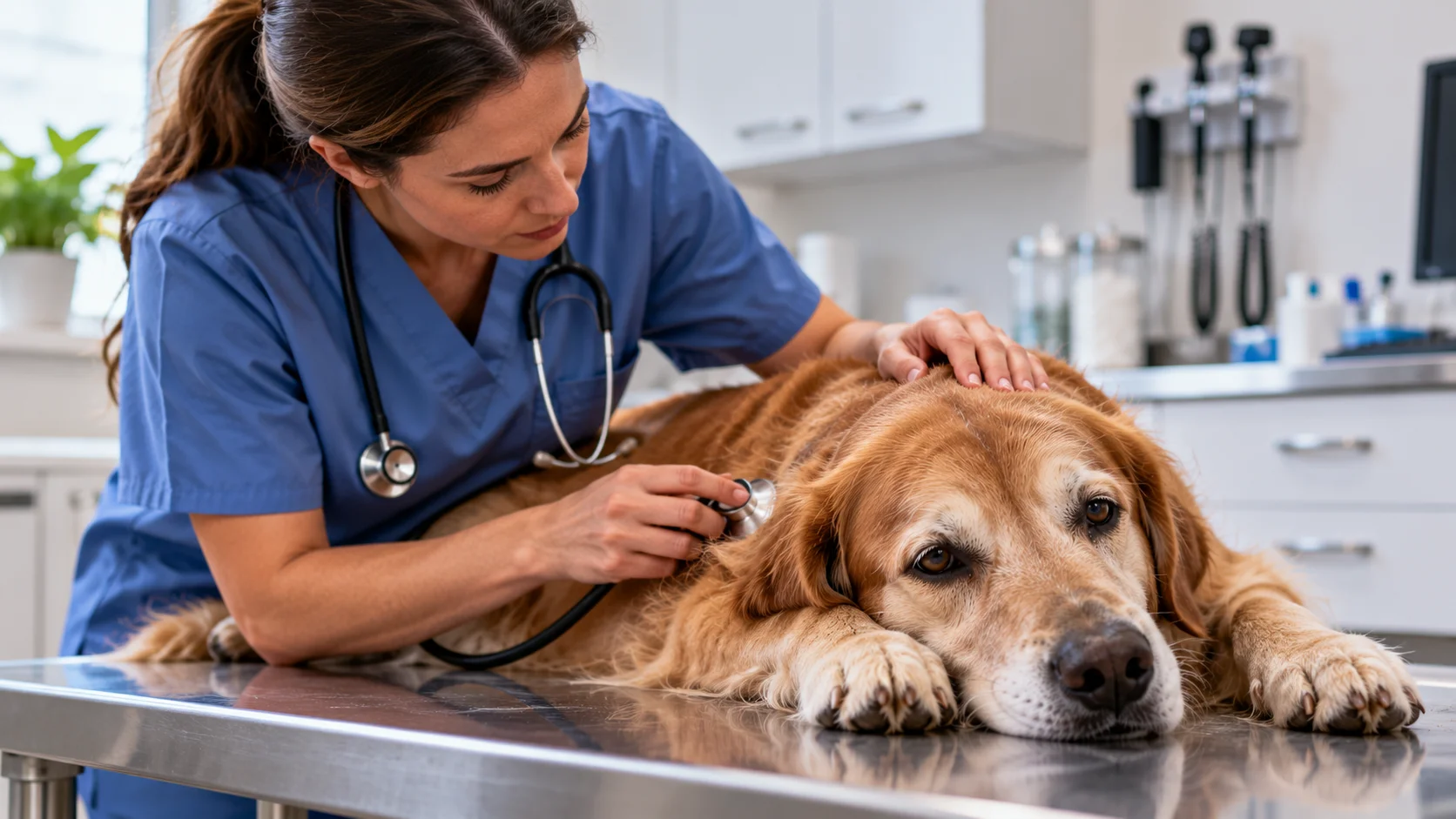
Photos or videos can also be useful when a symptom occurs intermittently. Veterinary guidance notes that images or recordings can help show symptoms that may appear differently once the dog reaches the clinic.
The goal is not to diagnose the problem yourself. It is to give the veterinarian a clearer picture of what changed and when.
Frequently Asked Questions About Dog Lethargy
What Does Lethargy Look Like in Dogs?
Lethargy usually looks like a noticeable reduction in a dog’s normal energy or enthusiasm.
A lethargic dog may sleep more, move slowly, avoid play, refuse a usual walk, spend more time lying down, or show less interest in normal activities.
The most important comparison is with the dog’s own usual behavior.
Why Is My Dog Sleeping More Than Usual?
Extra sleep can occur after increased exercise, excitement, travel, or disruption to a normal routine.
However, sleeping more can also be part of lethargy when it occurs with a broader change in behavior.
Consider how your dog behaves while awake. If your dog returns to normal activity after rest, ordinary tiredness may be more likely. If your dog remains unusually inactive or uninterested, continue monitoring and contact your veterinarian if the change persists or concerns you.
Can My Dog Be Lethargic With No Other Symptoms?
Yes. Sometimes reduced energy is the first or only obvious change an owner notices.
Other signs may develop later, remain subtle, or only become apparent during a veterinary examination.
If unexplained lethargy persists or your dog’s behavior is significantly different from normal, speak with your veterinarian.
Can Stress Make a Dog Seem Lethargic?
Stress and major environmental changes can affect behavior, appetite, interaction, and activity.
However, similar behavioral changes can occur with medical conditions. Avoid assuming that persistent lethargy is purely emotional without considering your dog’s physical health and other symptoms.
Is Lethargy Normal in Older Dogs?
Older dogs may naturally have different activity patterns from younger dogs, but age alone does not make every decrease in activity normal.
The important question remains: has something changed for this particular dog?
If an older dog that normally enjoys regular walks suddenly refuses them or becomes significantly less interactive, that change deserves attention.
Can a Dog Be Lethargic but Have a Normal Appetite?
Yes. Lethargy and appetite loss do not always occur together.
A dog may continue eating and drinking while showing a meaningful reduction in activity.
If your dog is eating normally but remains unusually quiet, slow, or uninterested in normal activities, continue watching for other changes and contact your veterinarian if the behavior persists.
How Long Does Dog Lethargy Last?
There is no single normal duration because lethargy is a sign with many possible causes.
Temporary tiredness after unusual activity may improve after adequate rest. Lethargy caused by an underlying health problem may persist until that problem is addressed.
Rather than relying only on the clock, consider severity, whether your dog is improving, and whether other symptoms are appearing.
Should I Let My Lethargic Dog Rest?
A quiet environment may be appropriate while you observe a dog that appears tired, but rest should not be used as a reason to delay veterinary care when significant symptoms are present.
If your dog is difficult to wake, cannot stand or walk normally, has trouble breathing, repeatedly vomits, appears severely weak, or is rapidly getting worse, seek veterinary care promptly.
The Bottom Line: Know What Is Normal for Your Dog
So, what is dog lethargy?
It is a noticeable reduction in a dog’s normal energy, activity, or interest in everyday life. It is not a diagnosis and does not point to one specific disease.
The most valuable thing you can do is know your dog’s normal routine.
A dog that usually greets you enthusiastically, loves walks, eats eagerly, and follows family members around the house establishes a pattern. When that pattern suddenly changes, you have useful information.
Look at lethargy together with appetite, drinking, movement, digestion, breathing, behavior, and any other changes you notice.
If your dog simply had an unusually active day and returns to normal after rest, the explanation may be straightforward. If the lethargy persists, becomes more pronounced, or occurs with other concerning symptoms, contact your veterinarian.
And if you are trying to organize several symptoms at once, use the TechHavela Pet Symptom Checker to explore what you are seeing and prepare the information you may want to discuss with your veterinarian.

**Sidnir Vieira**
Founder of TechHavela
A passionate pet and tech content creator, helping dog owners across the U.S. make smarter decisions for their furry friends.